

GIVE THE PERFECT GIFT
Erin Mills Town Centre Gift Cards are the perfect choice for your gift giving needs.Purchase gift cards at kiosks near the food court or centre court, at Guest Services, or click below to purchase online.PURCHASE HEREHome
Jurisdiction of the International Court of Justice
Indigo
Loading Inventory...
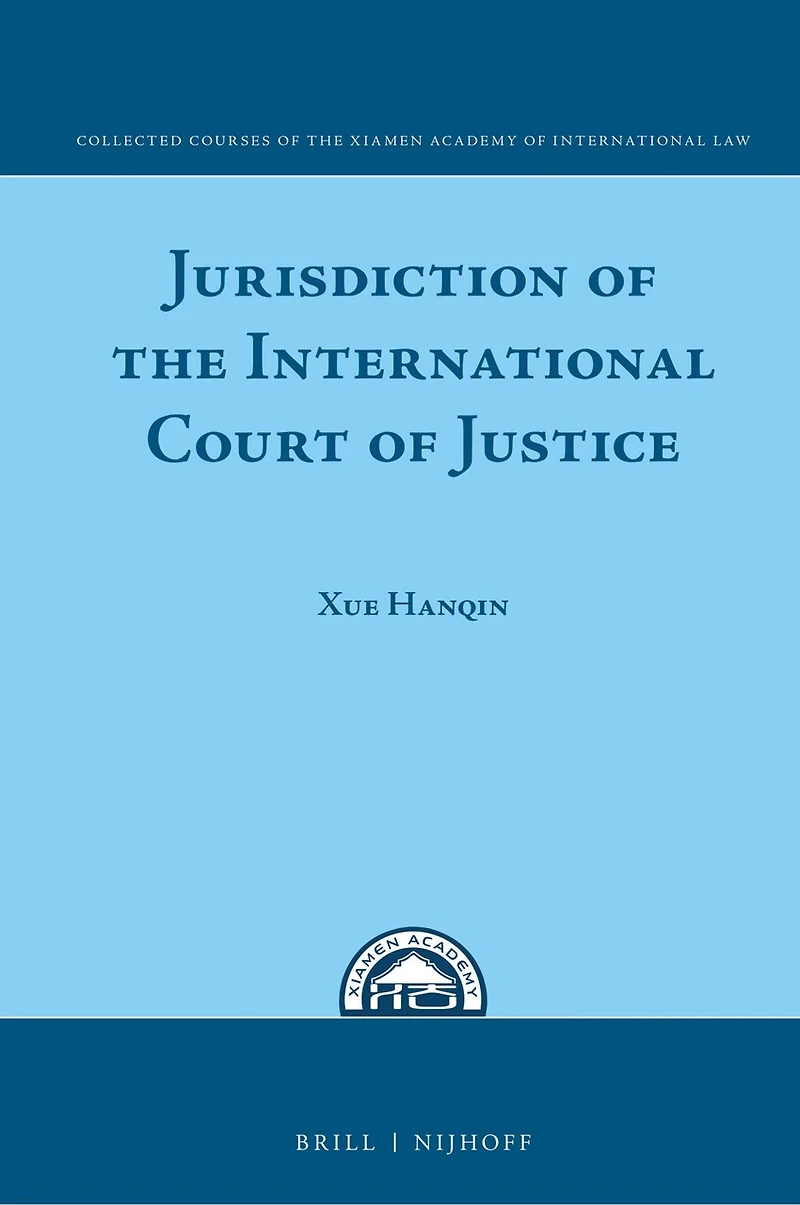
Jurisdiction of the International Court of Justice
Current price: $202.99

Jurisdiction of the International Court of Justice
Current price: $202.99
Loading Inventory...
Size: Hardcover
*Product information may vary - to confirm product availability, pricing, shipping and return information please contact Indigo
The International Court of Justice, principal judicial organ of the United Nations, plays an important and unique role in the peaceful settlement of international disputes. As a third-party mechanism, it is a highly technical and well-structured institution. Through its continuous and consistent jurisprudence, it provides legal certainty, stability and predictability to the interpretation and application of international law.
This special course intends to introduce some general concepts that underlie international adjudication and the basic rules and principles governing the competence and jurisdiction of the Court. Notwithstanding its prominence, the Court does not have a general and unconditional competence in dispute resolution. Its jurisdiction is based on the consent of the States, both in general terms as well as in each specific case, which reflects the attributes of the State system. Jurisdiction is a substantive matter. The Court’s decision on the question of jurisdiction is no less important than on the merits.
The International Court of Justice, principal judicial organ of the United Nations, plays an important and unique role in the peaceful settlement of international disputes. As a third-party mechanism, it is a highly technical and well-structured institution. Through its continuous and consistent jurisprudence, it provides legal certainty, stability and predictability to the interpretation and application of international law.
This special course intends to introduce some general concepts that underlie international adjudication and the basic rules and principles governing the competence and jurisdiction of the Court. Notwithstanding its prominence, the Court does not have a general and unconditional competence in dispute resolution. Its jurisdiction is based on the consent of the States, both in general terms as well as in each specific case, which reflects the attributes of the State system. Jurisdiction is a substantive matter. The Court’s decision on the question of jurisdiction is no less important than on the merits.
You May Also Like








More About Indigo at Erin Mills Town Centre
The largest book retailer in Canada also offers toys, music, home décor, gifts and lifestyle products. What's Inside...Books, Magazines, CD’s and DVD’s, Toys and Gifts, Home Accents, Electronics, Baby’s and Children’s Section, Bath and Body, Kitchen and Bedroom, Stationary Located outside in the exterior plaza.
5015 Glen Erin Dr, Mississauga, ON L5M 0R7, Canada
Find Indigo at Erin Mills Town Centre in Mississauga ON
Visit Indigo at Erin Mills Town Centre in Mississauga ON