

GIVE THE PERFECT GIFT
Erin Mills Town Centre Gift Cards are the perfect choice for your gift giving needs.Purchase gift cards at kiosks near the food court or centre court, at Guest Services, or click below to purchase online.PURCHASE HEREHome
Juvenile Hormone: Structure, Synthesis and Function
Indigo
Loading Inventory...
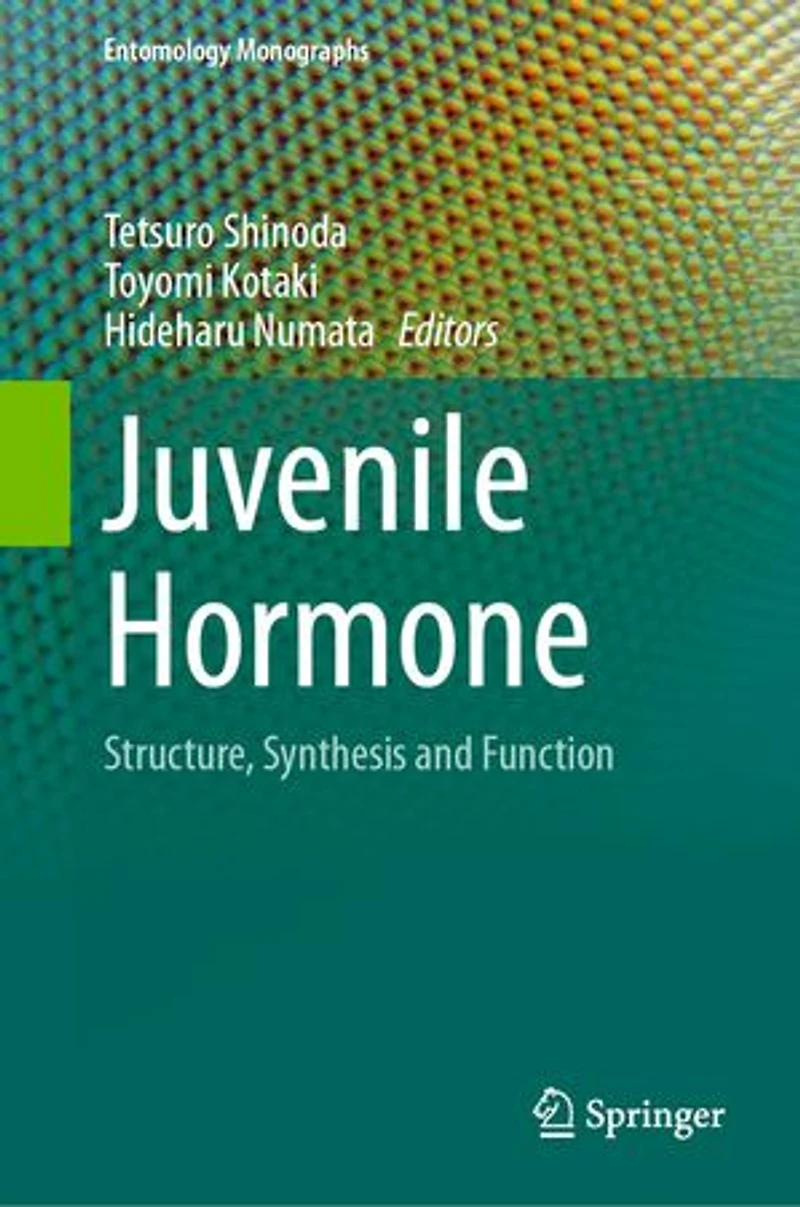
Juvenile Hormone: Structure, Synthesis and Function
Current price: $258.09
Original price: $322.51

Juvenile Hormone: Structure, Synthesis and Function
Current price: $258.09
Original price: $322.51
Loading Inventory...
Size: Kobo eBook
*Product information may vary - to confirm product availability, pricing, shipping and return information please contact Indigo
This book reviews the chemical structure, biosynthesis and function of insect juvenile hormone (JH). JH possesses a unique sesquiterpenoid structure that is uncommon among animal hormones. Since Sir Vincent Wigglesworth first reported the function of JH using an insect of Heteroptera in 1934, its structure and properties have long attracted the attention of many insect physiologists. Moreover, its unique chemical structure and biosynthetic process have led to the expectation that it could be developed for applications such as pest control. Starting from the history of JH research, this book covers its chemical structure, biosynthesis, functions, and applications. The book focuses on the findings that have been clarified in recent years, such as the chemical structure, the biosynthetic processes, receptors and molecular and cellular mechanisms regulating various physiological functions in JH, while also referring to the classical properties of the hormone. The book also emphasizes applied research, exploring the potential of new insecticides and examining the impact of JH on environmental responses. With contributions from international experts, the book culminates the 90 years of JH research, highlighting the contributions of the Japanese research community to its advancement and its global significance. The editors are the leading researchers who first found the key enzyme in the JH biosynthesis and determined the chemical structure of the JH specific to Heteroptera. Target audiences are researchers and graduate students in biological sciences, especially insect endocrinology and molecular biology. Industry professionals and those interested in environmental science and applied ecology may also find this book of interest.
This book reviews the chemical structure, biosynthesis and function of insect juvenile hormone (JH). JH possesses a unique sesquiterpenoid structure that is uncommon among animal hormones. Since Sir Vincent Wigglesworth first reported the function of JH using an insect of Heteroptera in 1934, its structure and properties have long attracted the attention of many insect physiologists. Moreover, its unique chemical structure and biosynthetic process have led to the expectation that it could be developed for applications such as pest control. Starting from the history of JH research, this book covers its chemical structure, biosynthesis, functions, and applications. The book focuses on the findings that have been clarified in recent years, such as the chemical structure, the biosynthetic processes, receptors and molecular and cellular mechanisms regulating various physiological functions in JH, while also referring to the classical properties of the hormone. The book also emphasizes applied research, exploring the potential of new insecticides and examining the impact of JH on environmental responses. With contributions from international experts, the book culminates the 90 years of JH research, highlighting the contributions of the Japanese research community to its advancement and its global significance. The editors are the leading researchers who first found the key enzyme in the JH biosynthesis and determined the chemical structure of the JH specific to Heteroptera. Target audiences are researchers and graduate students in biological sciences, especially insect endocrinology and molecular biology. Industry professionals and those interested in environmental science and applied ecology may also find this book of interest.
You May Also Like







More About Indigo at Erin Mills Town Centre
The largest book retailer in Canada also offers toys, music, home décor, gifts and lifestyle products. What's Inside...Books, Magazines, CD’s and DVD’s, Toys and Gifts, Home Accents, Electronics, Baby’s and Children’s Section, Bath and Body, Kitchen and Bedroom, Stationary Located outside in the exterior plaza.
5015 Glen Erin Dr, Mississauga, ON L5M 0R7, Canada
Find Indigo at Erin Mills Town Centre in Mississauga ON
Visit Indigo at Erin Mills Town Centre in Mississauga ON