

GIVE THE PERFECT GIFT
Erin Mills Town Centre Gift Cards are the perfect choice for your gift giving needs.Purchase gift cards at kiosks near the food court or centre court, at Guest Services, or click below to purchase online.PURCHASE HEREHome
Kafka: His Mind and Art
Indigo
Loading Inventory...
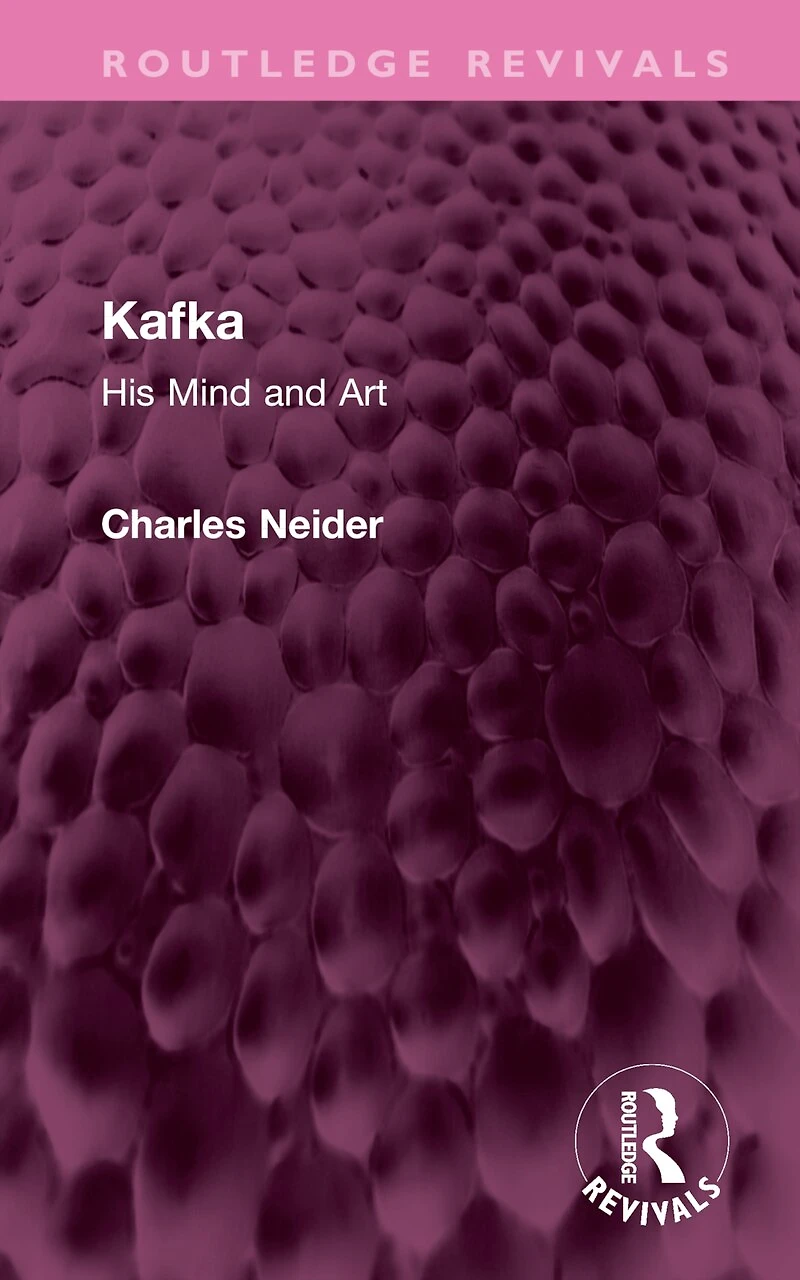
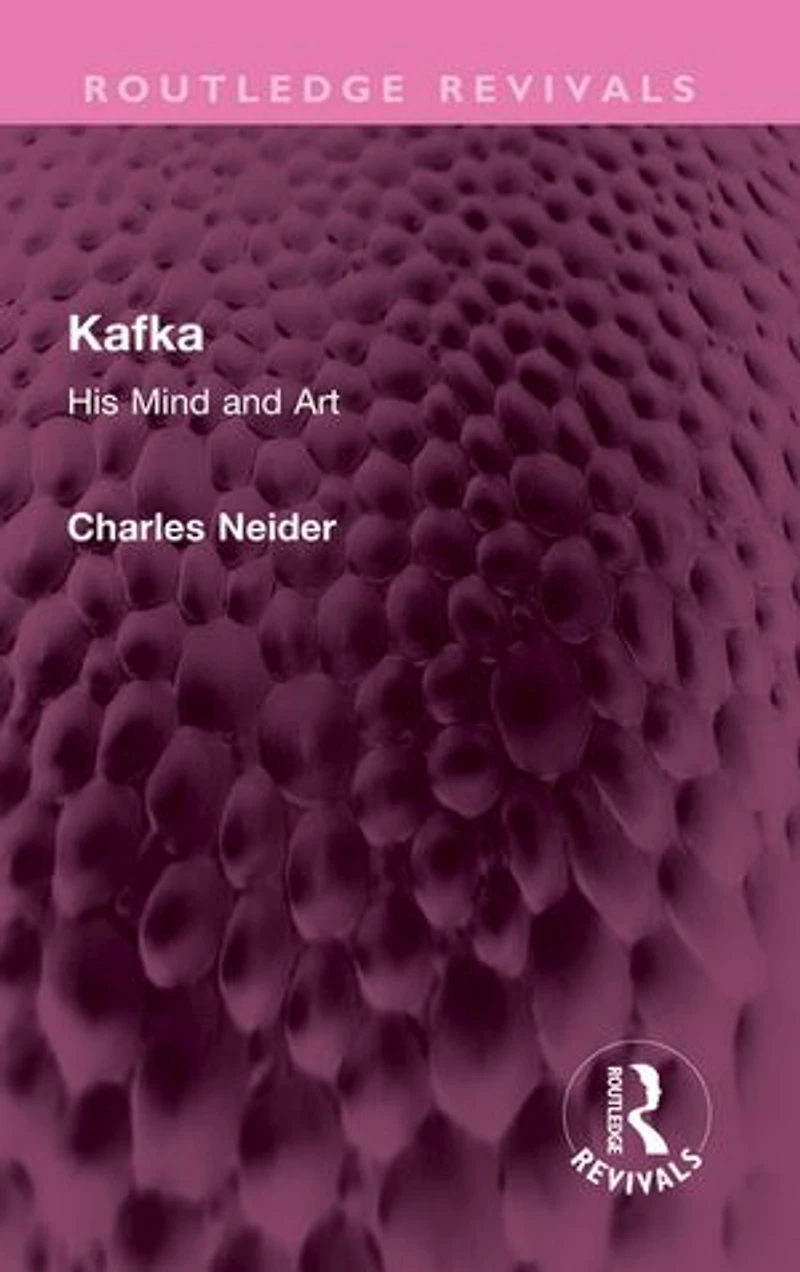
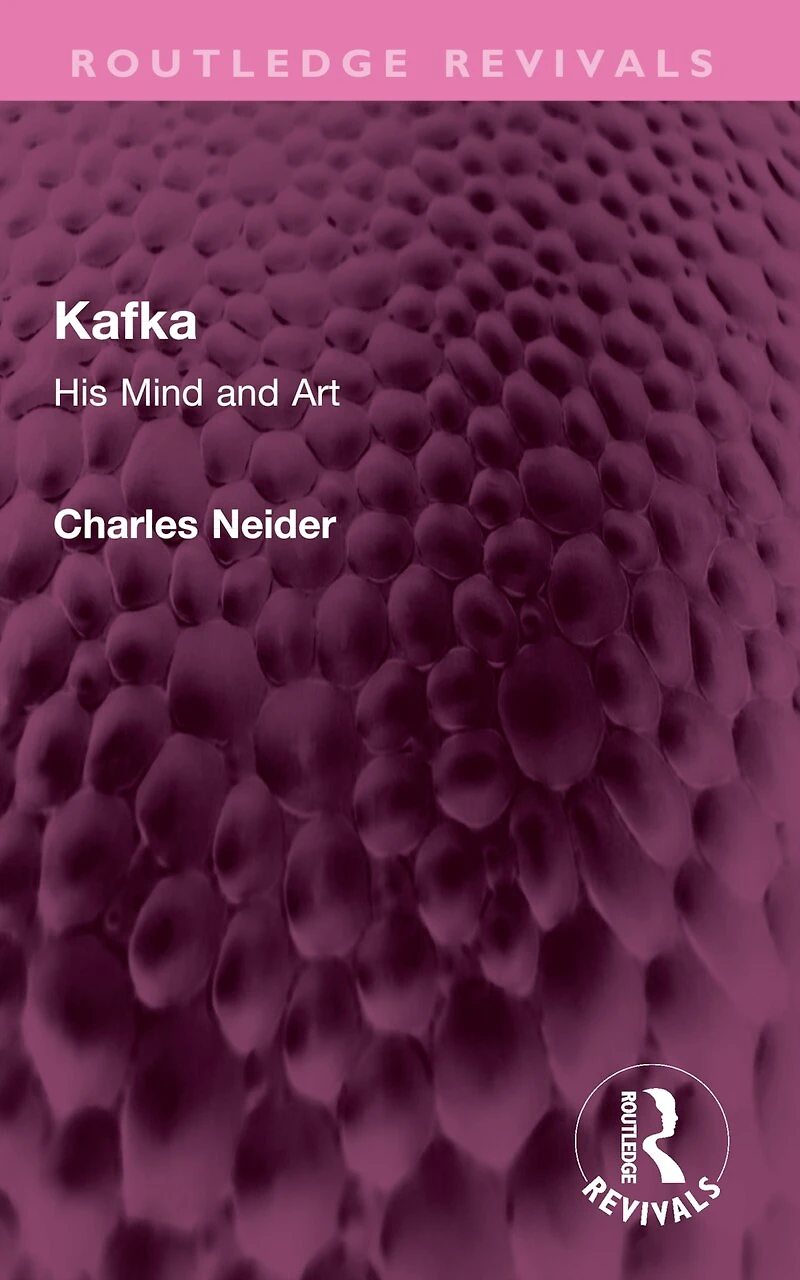
Kafka: His Mind and Art
Current price: $199.95

Kafka: His Mind and Art
Current price: $199.95
Loading Inventory...
Size: Hardcover
*Product information may vary - to confirm product availability, pricing, shipping and return information please contact Indigo
First published in 1949, Kafka: His Mind and Art begins with an extended analysis of the Kafka literature, with emphasis on its shortcomings and their effect on Kafka's vogue. Chapter two presents in broad terms a new aspect of Kafka which after the biographical chapter, chapter three, is studied in detail for the next two chapters. Up to this point the treatment does not presuppose a special key, but in chapters six and seven the secret key is discussed. To avoid confusion and unnecessary complications, the discussion of the key and its implications is delayed until more traditional ground has been covered. The author argues that it is appropriate to indicate only that the expressionist movement was not solely religious, that it arose from a dissatisfaction with a stagnant, spiritless society as well as with current modes in art and literature, and that Kafka avoided identifying himself- at least in his work- with any of the three or four factions of the movement. This is an important historical document for students of literature.
First published in 1949, Kafka: His Mind and Art begins with an extended analysis of the Kafka literature, with emphasis on its shortcomings and their effect on Kafka's vogue. Chapter two presents in broad terms a new aspect of Kafka which after the biographical chapter, chapter three, is studied in detail for the next two chapters. Up to this point the treatment does not presuppose a special key, but in chapters six and seven the secret key is discussed. To avoid confusion and unnecessary complications, the discussion of the key and its implications is delayed until more traditional ground has been covered. The author argues that it is appropriate to indicate only that the expressionist movement was not solely religious, that it arose from a dissatisfaction with a stagnant, spiritless society as well as with current modes in art and literature, and that Kafka avoided identifying himself- at least in his work- with any of the three or four factions of the movement. This is an important historical document for students of literature.
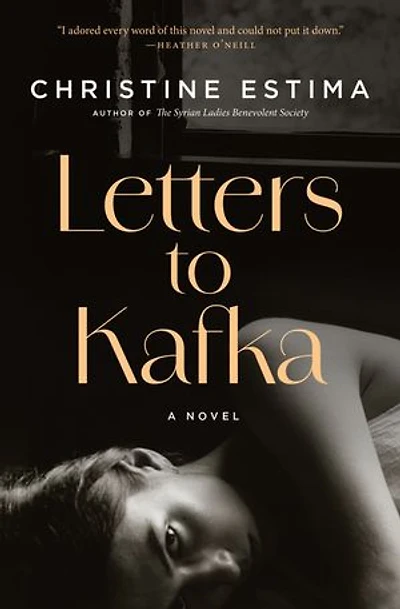
You May Also Like









More About Indigo at Erin Mills Town Centre
The largest book retailer in Canada also offers toys, music, home décor, gifts and lifestyle products. What's Inside...Books, Magazines, CD’s and DVD’s, Toys and Gifts, Home Accents, Electronics, Baby’s and Children’s Section, Bath and Body, Kitchen and Bedroom, Stationary Located outside in the exterior plaza.
5015 Glen Erin Dr, Mississauga, ON L5M 0R7, Canada
Find Indigo at Erin Mills Town Centre in Mississauga ON
Visit Indigo at Erin Mills Town Centre in Mississauga ON