

GIVE THE PERFECT GIFT
Erin Mills Town Centre Gift Cards are the perfect choice for your gift giving needs.Purchase gift cards at kiosks near the food court or centre court, at Guest Services, or click below to purchase online.PURCHASE HEREHome
Kamakura: A Contemplative Guide
Indigo
Loading Inventory...
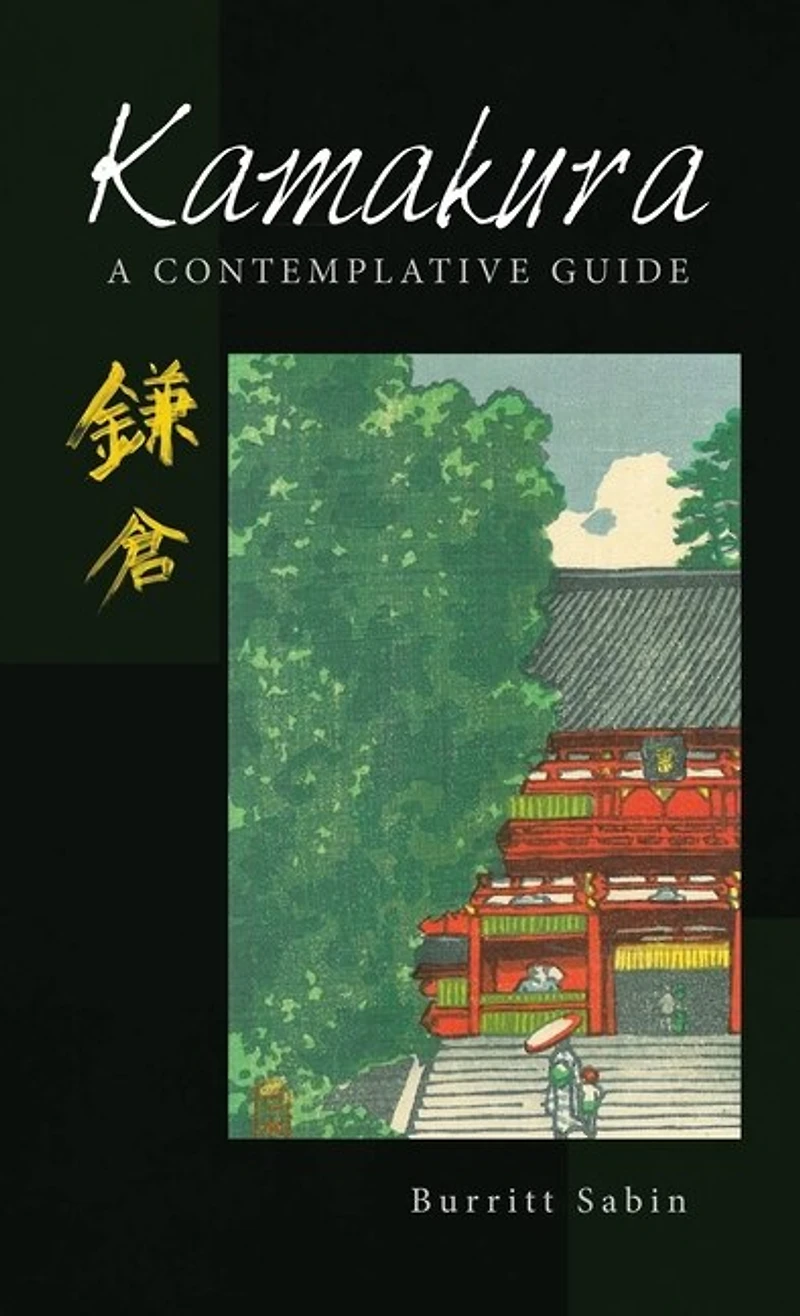
Kamakura: A Contemplative Guide
Current price: $54.95

Kamakura: A Contemplative Guide
Current price: $54.95
Loading Inventory...
Size: Hardcover
*Product information may vary - to confirm product availability, pricing, shipping and return information please contact Indigo
Kamakura rose as the first samurai capital in the 12th century. Shogun Yoritomo chose for the seat of his military government a natural fortress far from the intrigues of the court in Kyoto. He summoned from the capital carpenters to build grand temples and sculptors to carve images for their halls. His successors, the Hj, built the great Zen monasteries Kench-ji and Engaku-ji. Religious figures including Nichiren, Ippen, and Ninsh established temples of their respective Buddhist sects in the new city. Kamakura: A Contemplative Guide introduces the dramatic and often violent lives of these figures and walks you through shrine and temple precincts, illuminating the features of their halls, gardens, and statuary. It takes you over the passes cut sheer through rock to give entrance to the city. It shows Kamakura through the eyes of the writers and artists drawn to the seaside city by its laid-back pace, rich history, and abundant greenery. Rare photographs complement the text. Lucid maps pinpoint places of interest. Finally, Kamakura: A Contemplative Guide explains how the establishment of the first samurai capital, from whence the ethic and spirit of the Eastern warrior spread nationwide, was of significance in the formation of Japan.
Kamakura rose as the first samurai capital in the 12th century. Shogun Yoritomo chose for the seat of his military government a natural fortress far from the intrigues of the court in Kyoto. He summoned from the capital carpenters to build grand temples and sculptors to carve images for their halls. His successors, the Hj, built the great Zen monasteries Kench-ji and Engaku-ji. Religious figures including Nichiren, Ippen, and Ninsh established temples of their respective Buddhist sects in the new city. Kamakura: A Contemplative Guide introduces the dramatic and often violent lives of these figures and walks you through shrine and temple precincts, illuminating the features of their halls, gardens, and statuary. It takes you over the passes cut sheer through rock to give entrance to the city. It shows Kamakura through the eyes of the writers and artists drawn to the seaside city by its laid-back pace, rich history, and abundant greenery. Rare photographs complement the text. Lucid maps pinpoint places of interest. Finally, Kamakura: A Contemplative Guide explains how the establishment of the first samurai capital, from whence the ethic and spirit of the Eastern warrior spread nationwide, was of significance in the formation of Japan.
You May Also Like












More About Indigo at Erin Mills Town Centre
The largest book retailer in Canada also offers toys, music, home décor, gifts and lifestyle products. What's Inside...Books, Magazines, CD’s and DVD’s, Toys and Gifts, Home Accents, Electronics, Baby’s and Children’s Section, Bath and Body, Kitchen and Bedroom, Stationary Located outside in the exterior plaza.
5015 Glen Erin Dr, Mississauga, ON L5M 0R7, Canada
Find Indigo at Erin Mills Town Centre in Mississauga ON
Visit Indigo at Erin Mills Town Centre in Mississauga ON