

GIVE THE PERFECT GIFT
Erin Mills Town Centre Gift Cards are the perfect choice for your gift giving needs.Purchase gift cards at kiosks near the food court or centre court, at Guest Services, or click below to purchase online.PURCHASE HEREHome
Kant on Reality, Cause, and Force: From the Early Modern Tradition to Critical Philosophy
Indigo
Loading Inventory...
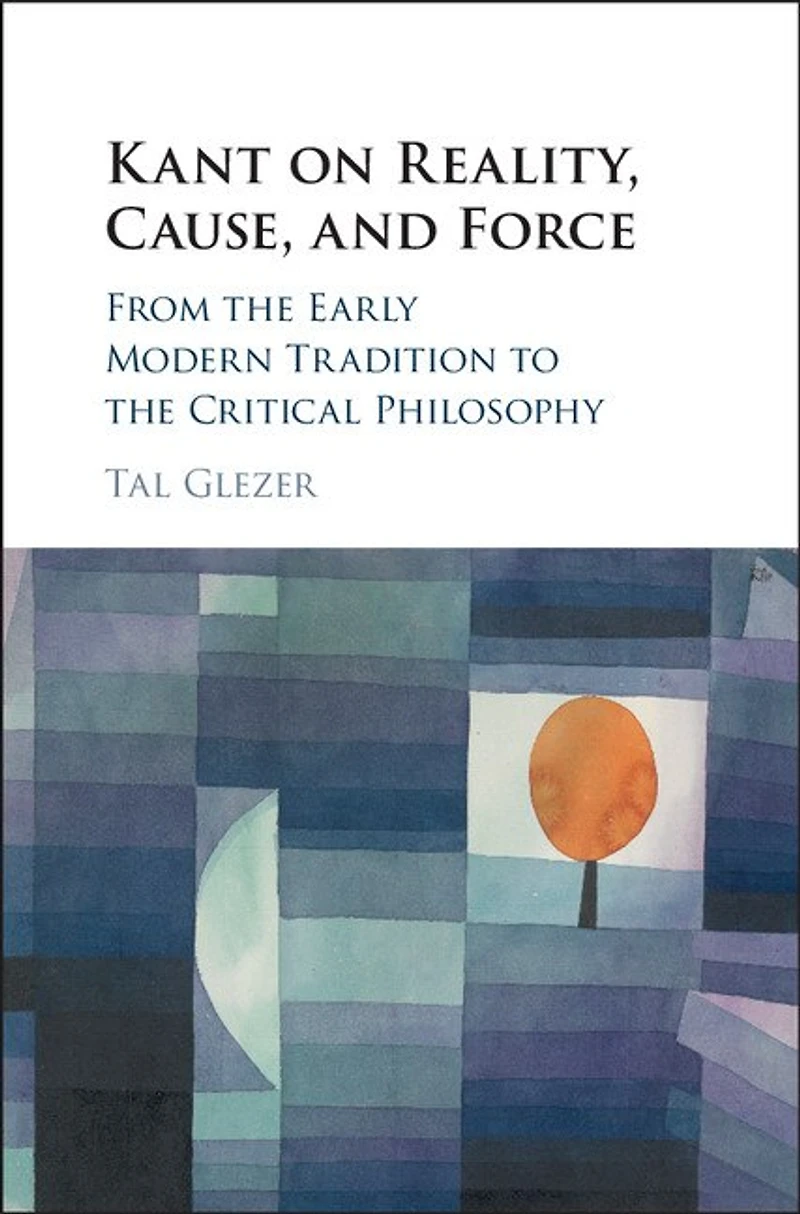
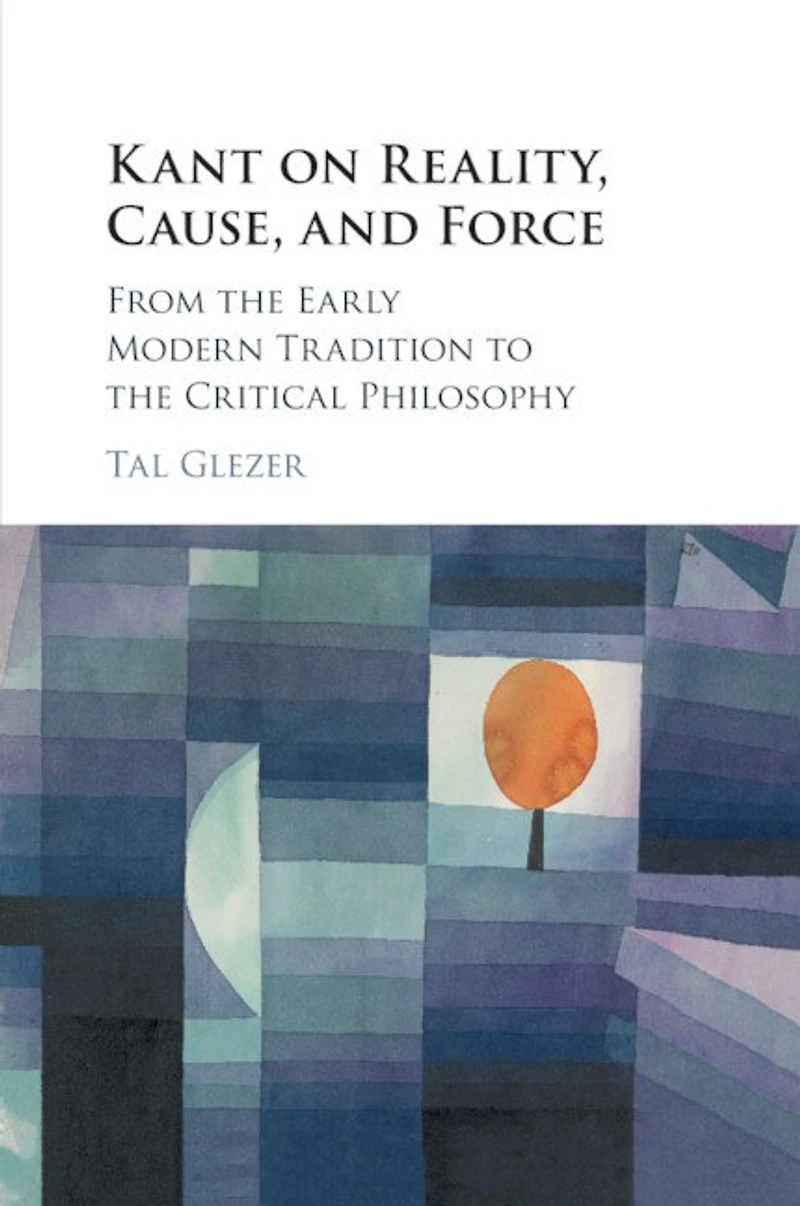
Kant on Reality, Cause, and Force: From the Early Modern Tradition to Critical Philosophy
Current price: $152.95

Kant on Reality, Cause, and Force: From the Early Modern Tradition to Critical Philosophy
Current price: $152.95
Loading Inventory...
Size: Hardcover
*Product information may vary - to confirm product availability, pricing, shipping and return information please contact Indigo
Kant's category of reality is an often overlooked element of his Critique of Pure Reason. Tal Glezer shows that it nevertheless belongs at the core of Kant's mature critical philosophy: it captures an issue that motivated his critical turn, shaped his theory of causation, and established the role of his philosophy of science. Glezer's study traces the roots of Kant's category of reality to early modern debates over the intelligibility of substantial forms, fueled by the tension between the idea of non-extended substances and that of extended objects. This tension influenced Kant's pre-critical work, and eventually inspired his radical break towards transcendental idealism. Glezer explores the importance of reality for Kant's conceptions of cause and force, and sheds new light on his philosophy of physical science, including gravity. His book will interest scholars of Kant and of early modern philosophy, as well as historians of scientific ideas.
Kant's category of reality is an often overlooked element of his Critique of Pure Reason. Tal Glezer shows that it nevertheless belongs at the core of Kant's mature critical philosophy: it captures an issue that motivated his critical turn, shaped his theory of causation, and established the role of his philosophy of science. Glezer's study traces the roots of Kant's category of reality to early modern debates over the intelligibility of substantial forms, fueled by the tension between the idea of non-extended substances and that of extended objects. This tension influenced Kant's pre-critical work, and eventually inspired his radical break towards transcendental idealism. Glezer explores the importance of reality for Kant's conceptions of cause and force, and sheds new light on his philosophy of physical science, including gravity. His book will interest scholars of Kant and of early modern philosophy, as well as historians of scientific ideas.
You May Also Like








More About Indigo at Erin Mills Town Centre
The largest book retailer in Canada also offers toys, music, home décor, gifts and lifestyle products. What's Inside...Books, Magazines, CD’s and DVD’s, Toys and Gifts, Home Accents, Electronics, Baby’s and Children’s Section, Bath and Body, Kitchen and Bedroom, Stationary Located outside in the exterior plaza.
5015 Glen Erin Dr, Mississauga, ON L5M 0R7, Canada
Find Indigo at Erin Mills Town Centre in Mississauga ON
Visit Indigo at Erin Mills Town Centre in Mississauga ON