

GIVE THE PERFECT GIFT
Erin Mills Town Centre Gift Cards are the perfect choice for your gift giving needs.Purchase gift cards at kiosks near the food court or centre court, at Guest Services, or click below to purchase online.PURCHASE HEREHome
Kantian Ethics: Value, Agency, And Obligation
Indigo
Loading Inventory...
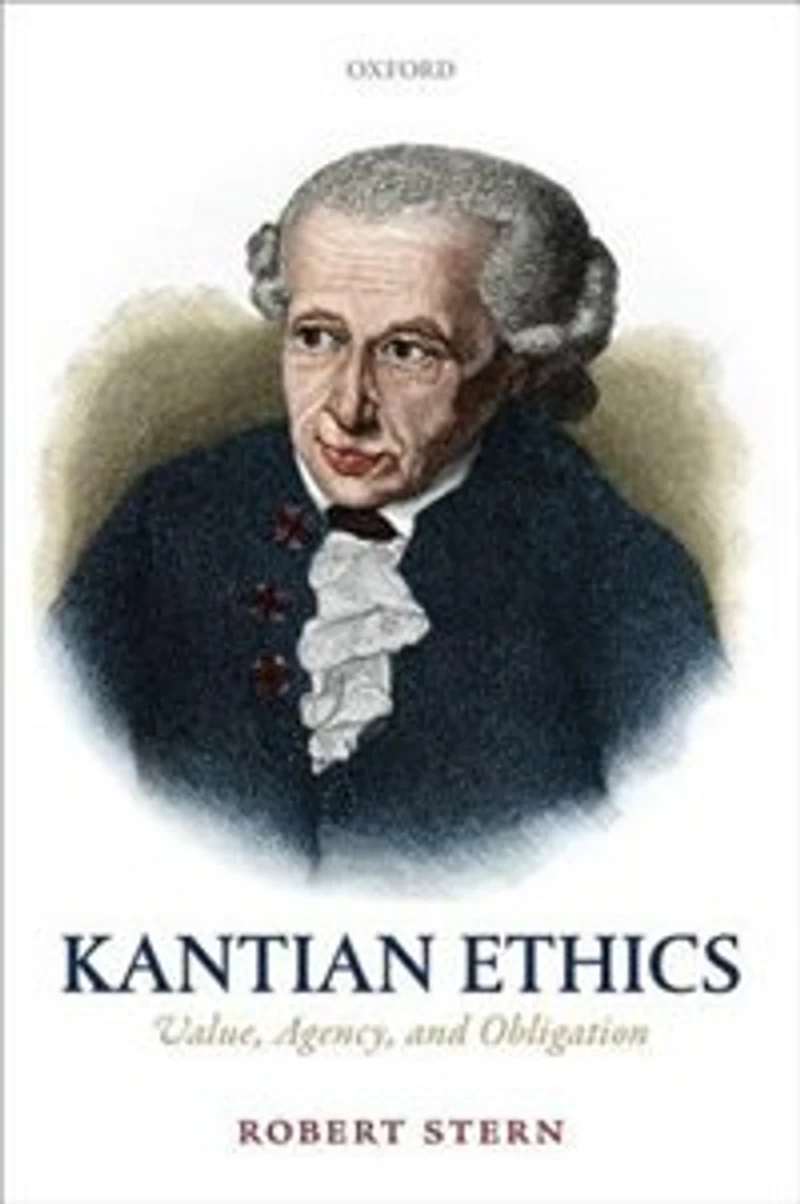
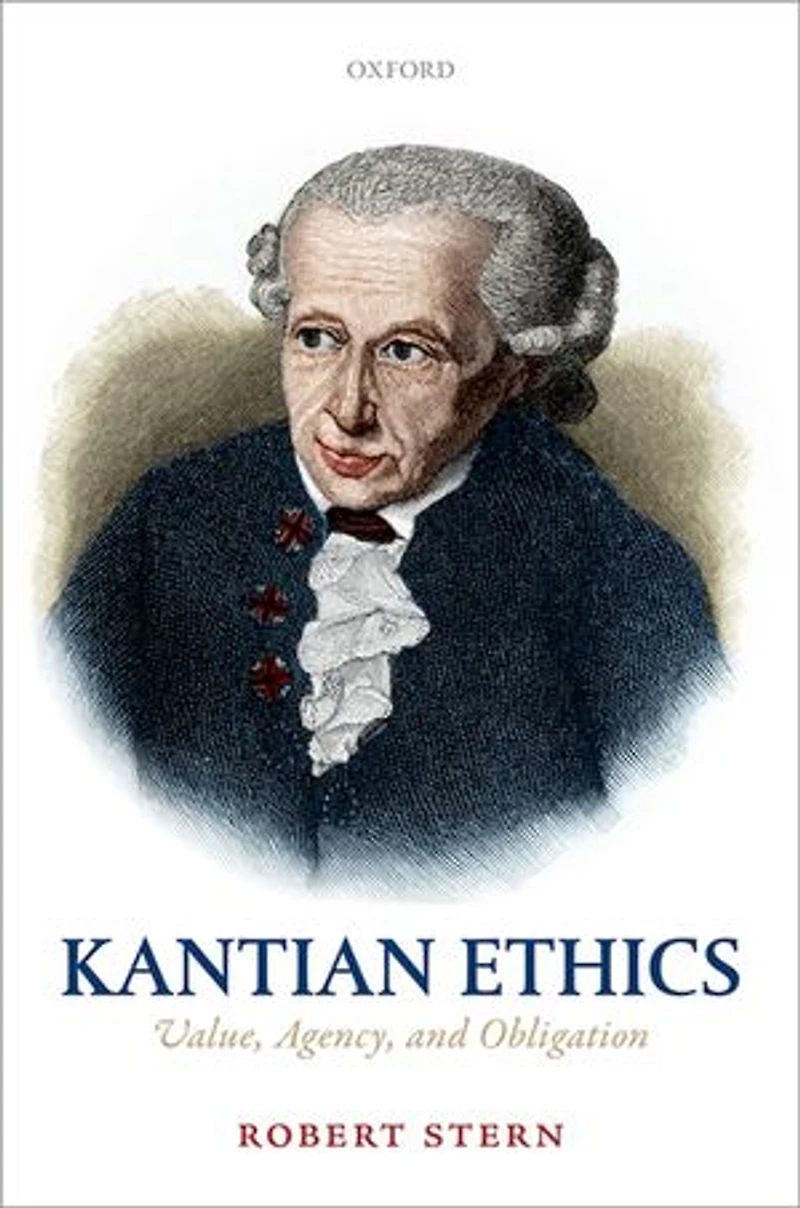
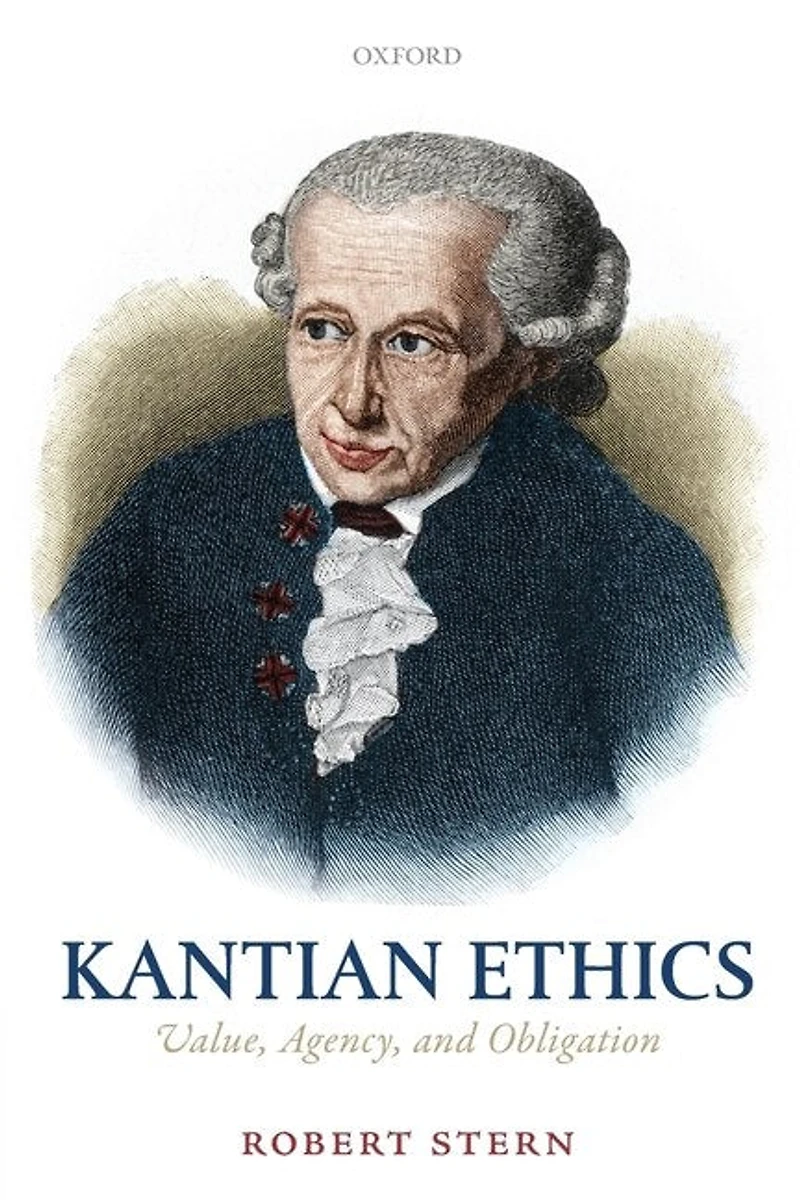
Kantian Ethics: Value, Agency, And Obligation
Current price: $84.00

Kantian Ethics: Value, Agency, And Obligation
Current price: $84.00
Loading Inventory...
Size: Hardcover
*Product information may vary - to confirm product availability, pricing, shipping and return information please contact Indigo
This volume presents a selection of Robert Stern's work on the theme of Kantian ethics. It begins by focusing on the relation between Kant's account of obligation and his view of autonomy, arguing that this leaves room for Kant to be a realist about value. Stern then considers where this places Kant in relation to the question of moral scepticism, and in relation to the principle of "ought implies can", and examines this principle in its own right. The papers then move beyond Kant himself to his wider influence and to critics of his work, including Hegel, the British Idealists, and the Danish philosopher and theologian K. E. Løgstrup, while also offering a comparison with William James's arguments for freedom. The collection concludes with a consideration of a broadly Kantian critique of divine command ethics offered by Stephen Darwall, arguing that the critique does not succeed. General themes considered in this volume therefore include value, perfectionism, agency, autonomy, moral motivation, moral scepticism, and obligation, as well as the historical place of Kant's ethics and its influence on thinkers up to the present day.
This volume presents a selection of Robert Stern's work on the theme of Kantian ethics. It begins by focusing on the relation between Kant's account of obligation and his view of autonomy, arguing that this leaves room for Kant to be a realist about value. Stern then considers where this places Kant in relation to the question of moral scepticism, and in relation to the principle of "ought implies can", and examines this principle in its own right. The papers then move beyond Kant himself to his wider influence and to critics of his work, including Hegel, the British Idealists, and the Danish philosopher and theologian K. E. Løgstrup, while also offering a comparison with William James's arguments for freedom. The collection concludes with a consideration of a broadly Kantian critique of divine command ethics offered by Stephen Darwall, arguing that the critique does not succeed. General themes considered in this volume therefore include value, perfectionism, agency, autonomy, moral motivation, moral scepticism, and obligation, as well as the historical place of Kant's ethics and its influence on thinkers up to the present day.
You May Also Like









More About Indigo at Erin Mills Town Centre
The largest book retailer in Canada also offers toys, music, home décor, gifts and lifestyle products. What's Inside...Books, Magazines, CD’s and DVD’s, Toys and Gifts, Home Accents, Electronics, Baby’s and Children’s Section, Bath and Body, Kitchen and Bedroom, Stationary Located outside in the exterior plaza.
5015 Glen Erin Dr, Mississauga, ON L5M 0R7, Canada
Find Indigo at Erin Mills Town Centre in Mississauga ON
Visit Indigo at Erin Mills Town Centre in Mississauga ON