

GIVE THE PERFECT GIFT
Erin Mills Town Centre Gift Cards are the perfect choice for your gift giving needs.Purchase gift cards at kiosks near the food court or centre court, at Guest Services, or click below to purchase online.PURCHASE HEREHome
Kant's Doctrine of Right: A Commentary
Indigo
Loading Inventory...
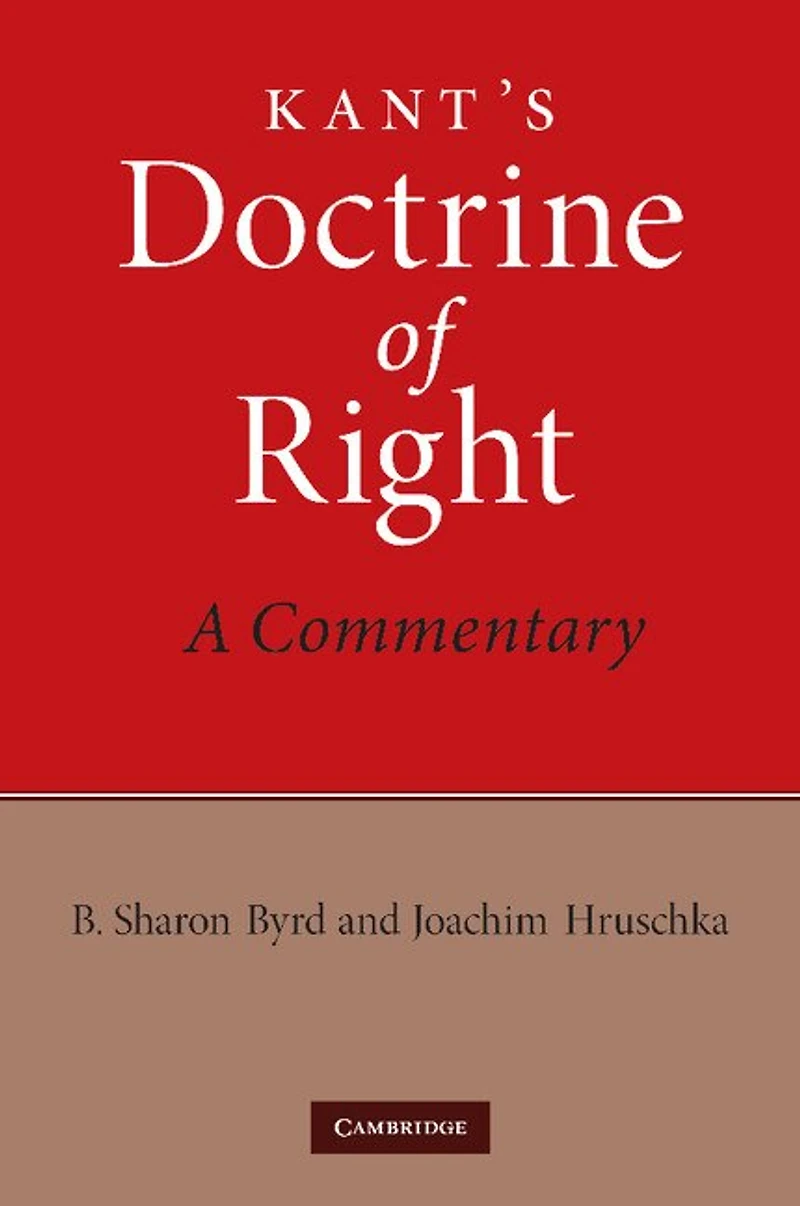
Kant's Doctrine of Right: A Commentary
Current price: $91.16

Kant's Doctrine of Right: A Commentary
Current price: $91.16
Loading Inventory...
Size: Paperback
*Product information may vary - to confirm product availability, pricing, shipping and return information please contact Indigo
Published in 1797, the Doctrine of Right is Kant's most significant contribution to legal and political philosophy. As the first part of the Metaphysics of Morals, it deals with the legal rights which persons have or can acquire, and aims at providing the grounding for lasting international peace through the idea of the juridical state (Rechtsstaat). This commentary analyzes Kant's system of individual rights, starting from the original innate right to external freedom, and ending with the right to own property and to have contractual and family claims. Clear and to the point, it guides readers through the most difficult passages of the Doctrine, explaining Kant's terminology, method and ideas in the light of his intellectual environment. One of the very few commentaries on the Doctrine of Right available in English, this book will be essential for anyone with a strong interest in Kant's moral and political philosophy.
Published in 1797, the Doctrine of Right is Kant's most significant contribution to legal and political philosophy. As the first part of the Metaphysics of Morals, it deals with the legal rights which persons have or can acquire, and aims at providing the grounding for lasting international peace through the idea of the juridical state (Rechtsstaat). This commentary analyzes Kant's system of individual rights, starting from the original innate right to external freedom, and ending with the right to own property and to have contractual and family claims. Clear and to the point, it guides readers through the most difficult passages of the Doctrine, explaining Kant's terminology, method and ideas in the light of his intellectual environment. One of the very few commentaries on the Doctrine of Right available in English, this book will be essential for anyone with a strong interest in Kant's moral and political philosophy.
You May Also Like










More About Indigo at Erin Mills Town Centre
The largest book retailer in Canada also offers toys, music, home décor, gifts and lifestyle products. What's Inside...Books, Magazines, CD’s and DVD’s, Toys and Gifts, Home Accents, Electronics, Baby’s and Children’s Section, Bath and Body, Kitchen and Bedroom, Stationary Located outside in the exterior plaza.
5015 Glen Erin Dr, Mississauga, ON L5M 0R7, Canada
Find Indigo at Erin Mills Town Centre in Mississauga ON
Visit Indigo at Erin Mills Town Centre in Mississauga ON