

GIVE THE PERFECT GIFT
Erin Mills Town Centre Gift Cards are the perfect choice for your gift giving needs.Purchase gift cards at kiosks near the food court or centre court, at Guest Services, or click below to purchase online.PURCHASE HEREHome
Karabakh and Abkhazia: The Struggle for Independence in post-Soviet South Caucasus
Indigo
Loading Inventory...
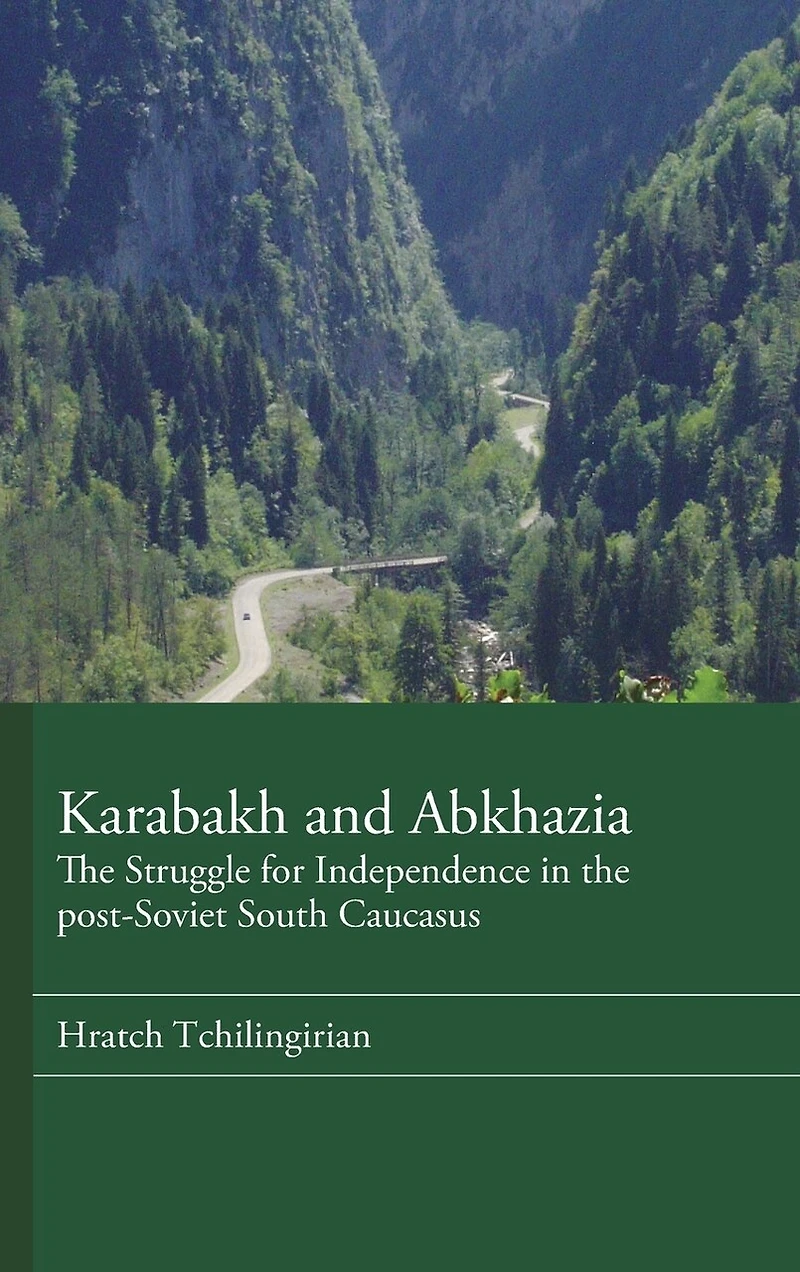
Karabakh and Abkhazia: The Struggle for Independence in post-Soviet South Caucasus
Current price: $76.85

Karabakh and Abkhazia: The Struggle for Independence in post-Soviet South Caucasus
Current price: $76.85
Loading Inventory...
Size: Hardcover
*Product information may vary - to confirm product availability, pricing, shipping and return information please contact Indigo
This book presents a discussion of inter-ethnic conflicts in post-Soviet South Caucasus and analyses of the struggle for independence in Nagorno Karabakh and Abkhazia, two failed Soviet autonomies, from a sociological perspective. Drawing on comparative case studies of the two former Soviet autonomies in the South Caucasus, the research demonstrates that a unidimensional analytical framework of inter-ethnic conflicts in the Caucasus does not adequately explain why ethnic groups struggle for independence. This sociological study argues that when social and political restructuring is resisted or ignored by a dominant social group over a long period of time, alternative measures are sought by minority groups either to force a change or to create a new social order, especially when 'historic' opportunities are presented. Minority-majority relations in the process of restructuring involve territorial claims, ethnicity, economic inequalities, cultural differences, religion, social customs, political inequalities, access to political power, and group interests.
This book presents a discussion of inter-ethnic conflicts in post-Soviet South Caucasus and analyses of the struggle for independence in Nagorno Karabakh and Abkhazia, two failed Soviet autonomies, from a sociological perspective. Drawing on comparative case studies of the two former Soviet autonomies in the South Caucasus, the research demonstrates that a unidimensional analytical framework of inter-ethnic conflicts in the Caucasus does not adequately explain why ethnic groups struggle for independence. This sociological study argues that when social and political restructuring is resisted or ignored by a dominant social group over a long period of time, alternative measures are sought by minority groups either to force a change or to create a new social order, especially when 'historic' opportunities are presented. Minority-majority relations in the process of restructuring involve territorial claims, ethnicity, economic inequalities, cultural differences, religion, social customs, political inequalities, access to political power, and group interests.
You May Also Like







More About Indigo at Erin Mills Town Centre
The largest book retailer in Canada also offers toys, music, home décor, gifts and lifestyle products. What's Inside...Books, Magazines, CD’s and DVD’s, Toys and Gifts, Home Accents, Electronics, Baby’s and Children’s Section, Bath and Body, Kitchen and Bedroom, Stationary Located outside in the exterior plaza.
5015 Glen Erin Dr, Mississauga, ON L5M 0R7, Canada
Find Indigo at Erin Mills Town Centre in Mississauga ON
Visit Indigo at Erin Mills Town Centre in Mississauga ON