

GIVE THE PERFECT GIFT
Erin Mills Town Centre Gift Cards are the perfect choice for your gift giving needs.Purchase gift cards at kiosks near the food court or centre court, at Guest Services, or click below to purchase online.PURCHASE HEREHome
Kashmir the Aftermath of Partition
Indigo
Loading Inventory...
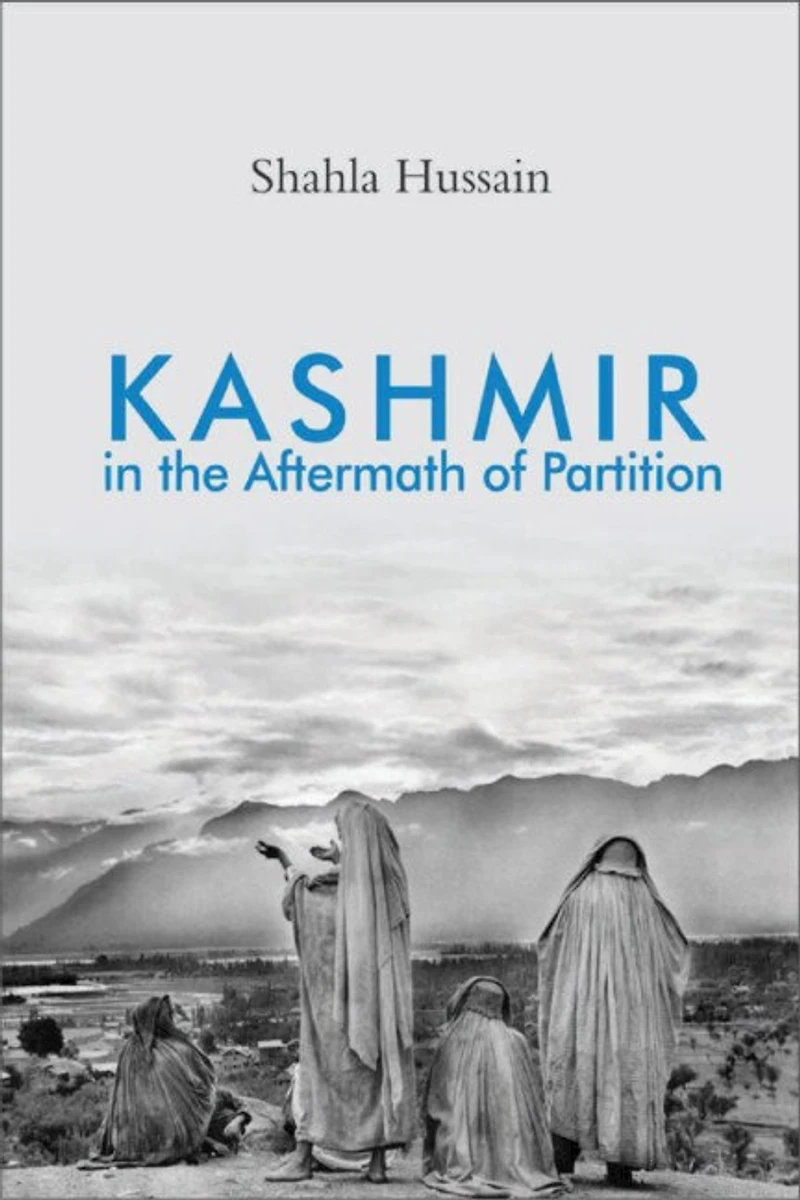
Kashmir the Aftermath of Partition
Current price: $127.95

Kashmir the Aftermath of Partition
Current price: $127.95
Loading Inventory...
Size: Hardcover
*Product information may vary - to confirm product availability, pricing, shipping and return information please contact Indigo
Kashmir remains one of the world's most militarized areas of dispute, having been in the grips of an armed insurgency against India since the late 1980s. In existing scholarship, ideas of territoriality, state sovereignty, and national security have dominated the discourses on the Kashmir conflict. This book, in contrast, places Kashmir and Kashmiris at the center of historical debate and investigates a broad range of sources to illuminate a century of political players and social structures on both sides of divided Kashmir and in the wider Kashmiri diaspora. In the process, it broadens the contours of Kashmir's postcolonial and resistance history, complicates the meaning of Kashmiri identity, and reveals Kashmiris' myriad imaginings of freedom. It asserts that 'Kashmir' has emerged as a political imaginary in postcolonial era, a vision that grounds Kashmiris in their negotiations for rights not only in India and Pakistan, but also in global political spaces.
Kashmir remains one of the world's most militarized areas of dispute, having been in the grips of an armed insurgency against India since the late 1980s. In existing scholarship, ideas of territoriality, state sovereignty, and national security have dominated the discourses on the Kashmir conflict. This book, in contrast, places Kashmir and Kashmiris at the center of historical debate and investigates a broad range of sources to illuminate a century of political players and social structures on both sides of divided Kashmir and in the wider Kashmiri diaspora. In the process, it broadens the contours of Kashmir's postcolonial and resistance history, complicates the meaning of Kashmiri identity, and reveals Kashmiris' myriad imaginings of freedom. It asserts that 'Kashmir' has emerged as a political imaginary in postcolonial era, a vision that grounds Kashmiris in their negotiations for rights not only in India and Pakistan, but also in global political spaces.
You May Also Like







More About Indigo at Erin Mills Town Centre
The largest book retailer in Canada also offers toys, music, home décor, gifts and lifestyle products. What's Inside...Books, Magazines, CD’s and DVD’s, Toys and Gifts, Home Accents, Electronics, Baby’s and Children’s Section, Bath and Body, Kitchen and Bedroom, Stationary Located outside in the exterior plaza.
5015 Glen Erin Dr, Mississauga, ON L5M 0R7, Canada
Find Indigo at Erin Mills Town Centre in Mississauga ON
Visit Indigo at Erin Mills Town Centre in Mississauga ON