

GIVE THE PERFECT GIFT
Erin Mills Town Centre Gift Cards are the perfect choice for your gift giving needs.Purchase gift cards at kiosks near the food court or centre court, at Guest Services, or click below to purchase online.PURCHASE HEREHome
Keto Diet Ketosis Basics
Indigo
Loading Inventory...
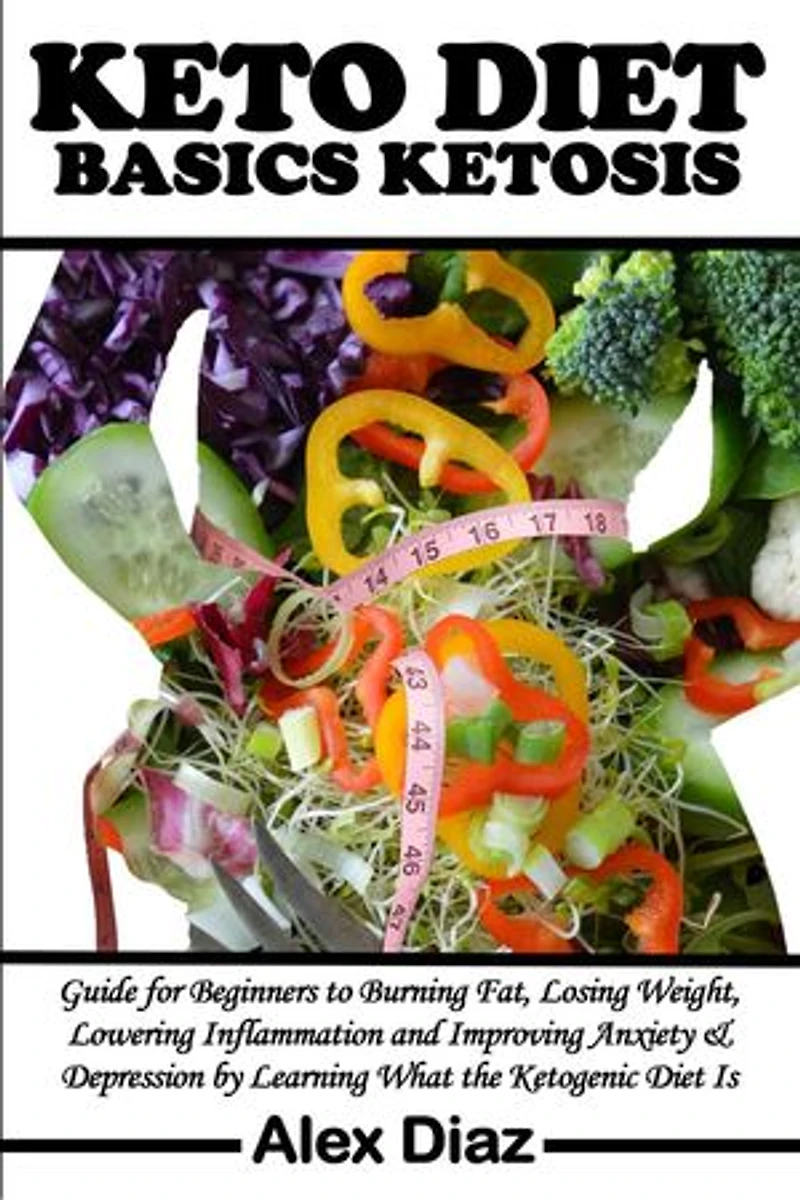
Keto Diet Ketosis Basics
Current price: $4.99

Keto Diet Ketosis Basics
Current price: $4.99
Loading Inventory...
Size: Kobo eBook
*Product information may vary - to confirm product availability, pricing, shipping and return information please contact Indigo
The basic principle of the keto diet involves significantly reducing carbohydrate intake while increasing fat consumption. Typically, the macronutrient ratio in a standard ketogenic diet is around 70-75% fat, 20-25% protein, and 5-10% carbohydrates. This variation can vary depending on individual needs and goals.
When you limit carbohydrates, your body's usual source of energy (glucose) becomes scarce. Consequently, the liver starts converting fat into molecules called ketones, which serve as an alternative fuel source for the body and brain. This metabolic state of relying on ketones for energy is known as ketosis.
Foods commonly included in a keto diet are:
Healthy fats: Avocados, nuts, seeds, olive oil, coconut oil, butter, and fatty cuts of meat.
Protein sources: Fish, poultry, eggs, tofu, tempeh, and grass-fed meat.
Low-carb vegetables: Leafy greens, broccoli, cauliflower, zucchini, and bell peppers.
Limited carb fruits: Berries like strawberries, raspberries, and blackberries in moderation.
Dairy: Cheese, cream, and full-fat yogurt (in moderation for some due to lactose content).
The basic principle of the keto diet involves significantly reducing carbohydrate intake while increasing fat consumption. Typically, the macronutrient ratio in a standard ketogenic diet is around 70-75% fat, 20-25% protein, and 5-10% carbohydrates. This variation can vary depending on individual needs and goals.
When you limit carbohydrates, your body's usual source of energy (glucose) becomes scarce. Consequently, the liver starts converting fat into molecules called ketones, which serve as an alternative fuel source for the body and brain. This metabolic state of relying on ketones for energy is known as ketosis.
Foods commonly included in a keto diet are:
Healthy fats: Avocados, nuts, seeds, olive oil, coconut oil, butter, and fatty cuts of meat.
Protein sources: Fish, poultry, eggs, tofu, tempeh, and grass-fed meat.
Low-carb vegetables: Leafy greens, broccoli, cauliflower, zucchini, and bell peppers.
Limited carb fruits: Berries like strawberries, raspberries, and blackberries in moderation.
Dairy: Cheese, cream, and full-fat yogurt (in moderation for some due to lactose content).
You May Also Like







More About Indigo at Erin Mills Town Centre
The largest book retailer in Canada also offers toys, music, home décor, gifts and lifestyle products. What's Inside...Books, Magazines, CD’s and DVD’s, Toys and Gifts, Home Accents, Electronics, Baby’s and Children’s Section, Bath and Body, Kitchen and Bedroom, Stationary Located outside in the exterior plaza.
5015 Glen Erin Dr, Mississauga, ON L5M 0R7, Canada
Find Indigo at Erin Mills Town Centre in Mississauga ON
Visit Indigo at Erin Mills Town Centre in Mississauga ON