

GIVE THE PERFECT GIFT
Erin Mills Town Centre Gift Cards are the perfect choice for your gift giving needs.Purchase gift cards at kiosks near the food court or centre court, at Guest Services, or click below to purchase online.PURCHASE HEREHome
Kid Power, Inequalities and Intergenerational Relations
Indigo
Loading Inventory...
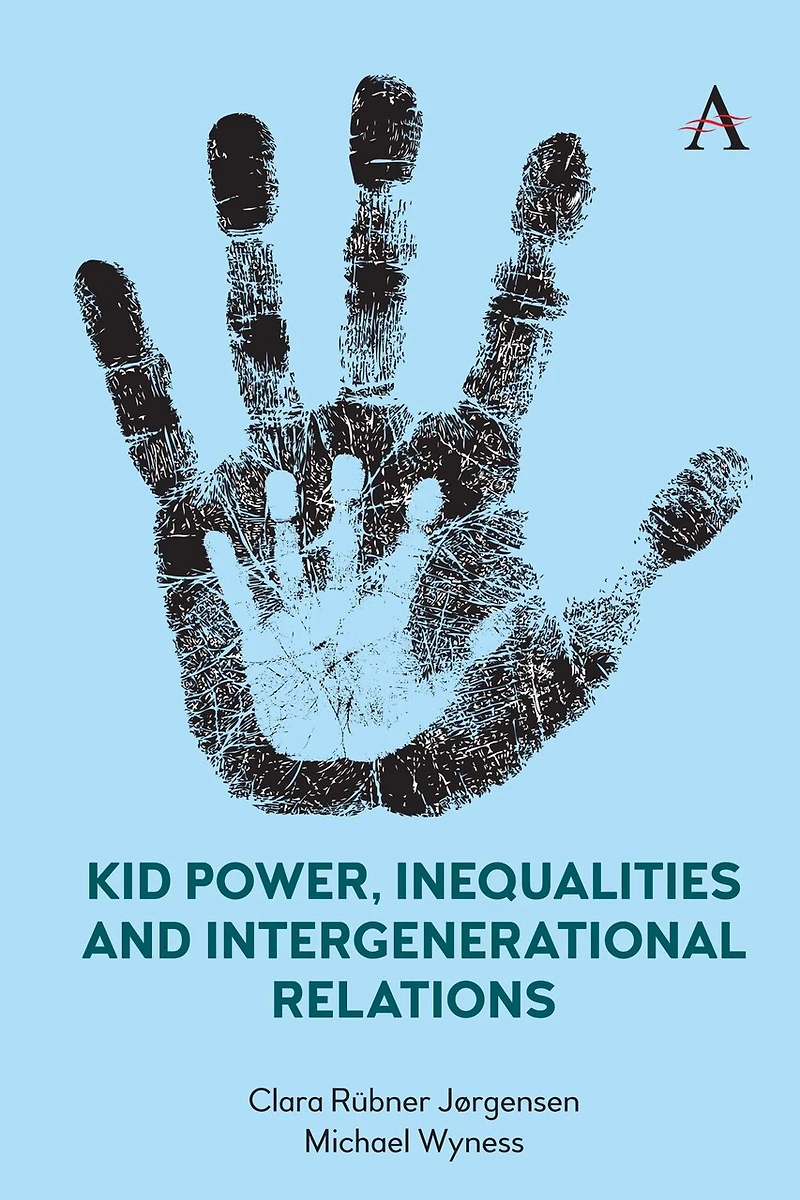
Kid Power, Inequalities and Intergenerational Relations
Current price: $162.99

Kid Power, Inequalities and Intergenerational Relations
Current price: $162.99
Loading Inventory...
Size: Hardcover
*Product information may vary - to confirm product availability, pricing, shipping and return information please contact Indigo
Contemporary understandings of inter-generational relations assume that the balance of power has shifted from adults towards children in recent years. The rise of children’s rights, the trend towards more child centred pedagogies and practices within schools and the incorporation of children within a global free market as consumers have all been interpreted as the loss of adult power and the consequent growth of kid power.
This book critically examines these ideas and reframes the zero-sum conceptions of power implicit within these assumptions. It draws on Lukes’ three dimensions of power and Foucault’s theory of power and knowledge in advancing the view that kid power is inter-generational, multi-dimensional and distributed variably across the child population. The book illustrates this theory through selected themes, including children’s political activism with respect to climate change, the varied roles that children play within their families as mediators, the involvement of children in research and the rise of digital kid power.
In a post-script, the theory of kid power within the current context of the global Covid-19 pandemic is examined. This final part of the book questions what the impact of the virus will be on the different manifestations of kid power and considers the implications of lockdowns and potential long-term social distancing measures for inequalities, inter-generational relations and our interpretation of kid power.
Contemporary understandings of inter-generational relations assume that the balance of power has shifted from adults towards children in recent years. The rise of children’s rights, the trend towards more child centred pedagogies and practices within schools and the incorporation of children within a global free market as consumers have all been interpreted as the loss of adult power and the consequent growth of kid power.
This book critically examines these ideas and reframes the zero-sum conceptions of power implicit within these assumptions. It draws on Lukes’ three dimensions of power and Foucault’s theory of power and knowledge in advancing the view that kid power is inter-generational, multi-dimensional and distributed variably across the child population. The book illustrates this theory through selected themes, including children’s political activism with respect to climate change, the varied roles that children play within their families as mediators, the involvement of children in research and the rise of digital kid power.
In a post-script, the theory of kid power within the current context of the global Covid-19 pandemic is examined. This final part of the book questions what the impact of the virus will be on the different manifestations of kid power and considers the implications of lockdowns and potential long-term social distancing measures for inequalities, inter-generational relations and our interpretation of kid power.
You May Also Like










More About Indigo at Erin Mills Town Centre
The largest book retailer in Canada also offers toys, music, home décor, gifts and lifestyle products. What's Inside...Books, Magazines, CD’s and DVD’s, Toys and Gifts, Home Accents, Electronics, Baby’s and Children’s Section, Bath and Body, Kitchen and Bedroom, Stationary Located outside in the exterior plaza.
5015 Glen Erin Dr, Mississauga, ON L5M 0R7, Canada
Find Indigo at Erin Mills Town Centre in Mississauga ON
Visit Indigo at Erin Mills Town Centre in Mississauga ON