

GIVE THE PERFECT GIFT
Erin Mills Town Centre Gift Cards are the perfect choice for your gift giving needs.Purchase gift cards at kiosks near the food court or centre court, at Guest Services, or click below to purchase online.PURCHASE HEREHome
Knowing Bodies, Passionate Souls: Sense Perceptions In Byzantium
Indigo
Loading Inventory...
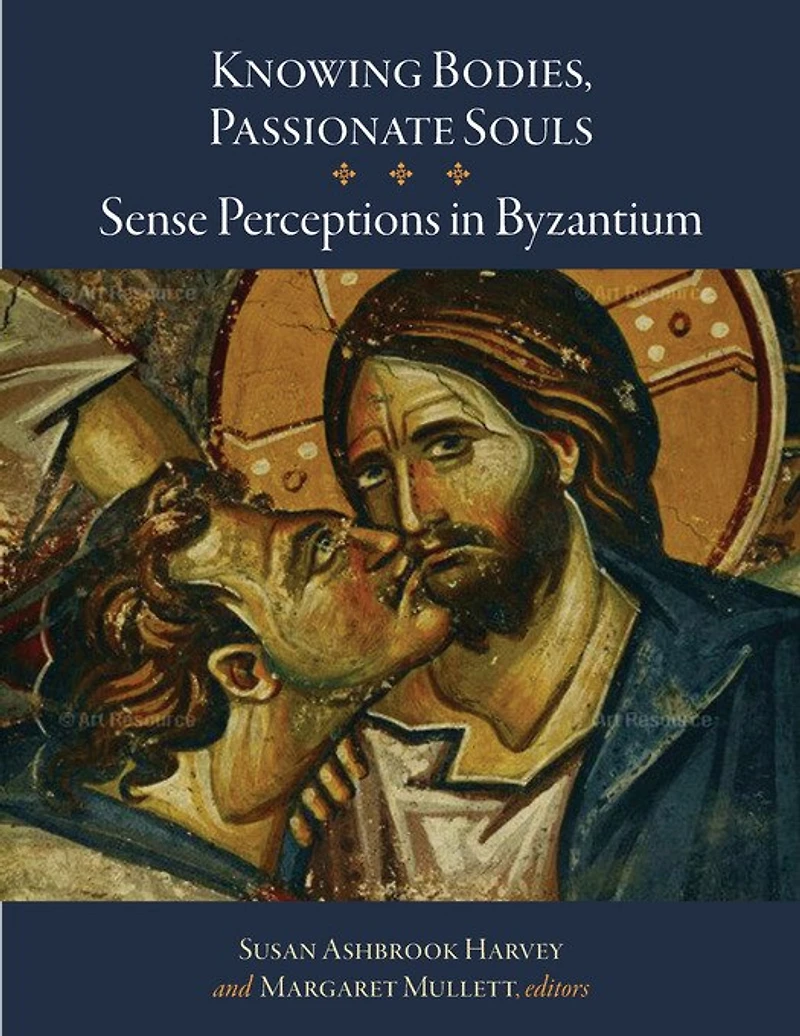
Knowing Bodies, Passionate Souls: Sense Perceptions In Byzantium
Current price: $92.00

Knowing Bodies, Passionate Souls: Sense Perceptions In Byzantium
Current price: $92.00
Loading Inventory...
Size: Hardcover
*Product information may vary - to confirm product availability, pricing, shipping and return information please contact Indigo
How does sense perception contribute to human cognition? How did the Byzantines understand that contribution? Byzantine culture in all its domains showed deep appreciation for sensory awareness and sensory experience. The senses were reckoned as modes of knowledge—intersecting realms both human and divine, bodily and spiritual, physical and intellectual.
Scholars have attended to aspects of sight and sound in Byzantine culture, but have generally left smell, taste, and touch undervalued and understudied. Through collected essays that redress the imbalance, the contributors explore how the Byzantines viewed the senses; how they envisaged sensory interactions within their world; and how they described, narrated, and represented the senses at work. The result is a fresh charting of the Byzantine sensorium as a whole.
How does sense perception contribute to human cognition? How did the Byzantines understand that contribution? Byzantine culture in all its domains showed deep appreciation for sensory awareness and sensory experience. The senses were reckoned as modes of knowledge—intersecting realms both human and divine, bodily and spiritual, physical and intellectual.
Scholars have attended to aspects of sight and sound in Byzantine culture, but have generally left smell, taste, and touch undervalued and understudied. Through collected essays that redress the imbalance, the contributors explore how the Byzantines viewed the senses; how they envisaged sensory interactions within their world; and how they described, narrated, and represented the senses at work. The result is a fresh charting of the Byzantine sensorium as a whole.
You May Also Like








More About Indigo at Erin Mills Town Centre
The largest book retailer in Canada also offers toys, music, home décor, gifts and lifestyle products. What's Inside...Books, Magazines, CD’s and DVD’s, Toys and Gifts, Home Accents, Electronics, Baby’s and Children’s Section, Bath and Body, Kitchen and Bedroom, Stationary Located outside in the exterior plaza.
5015 Glen Erin Dr, Mississauga, ON L5M 0R7, Canada
Find Indigo at Erin Mills Town Centre in Mississauga ON
Visit Indigo at Erin Mills Town Centre in Mississauga ON