

GIVE THE PERFECT GIFT
Erin Mills Town Centre Gift Cards are the perfect choice for your gift giving needs.Purchase gift cards at kiosks near the food court or centre court, at Guest Services, or click below to purchase online.PURCHASE HEREHome
Knowledge in Modern Transimperial History: Actors, Formations, Causes
Indigo
Loading Inventory...
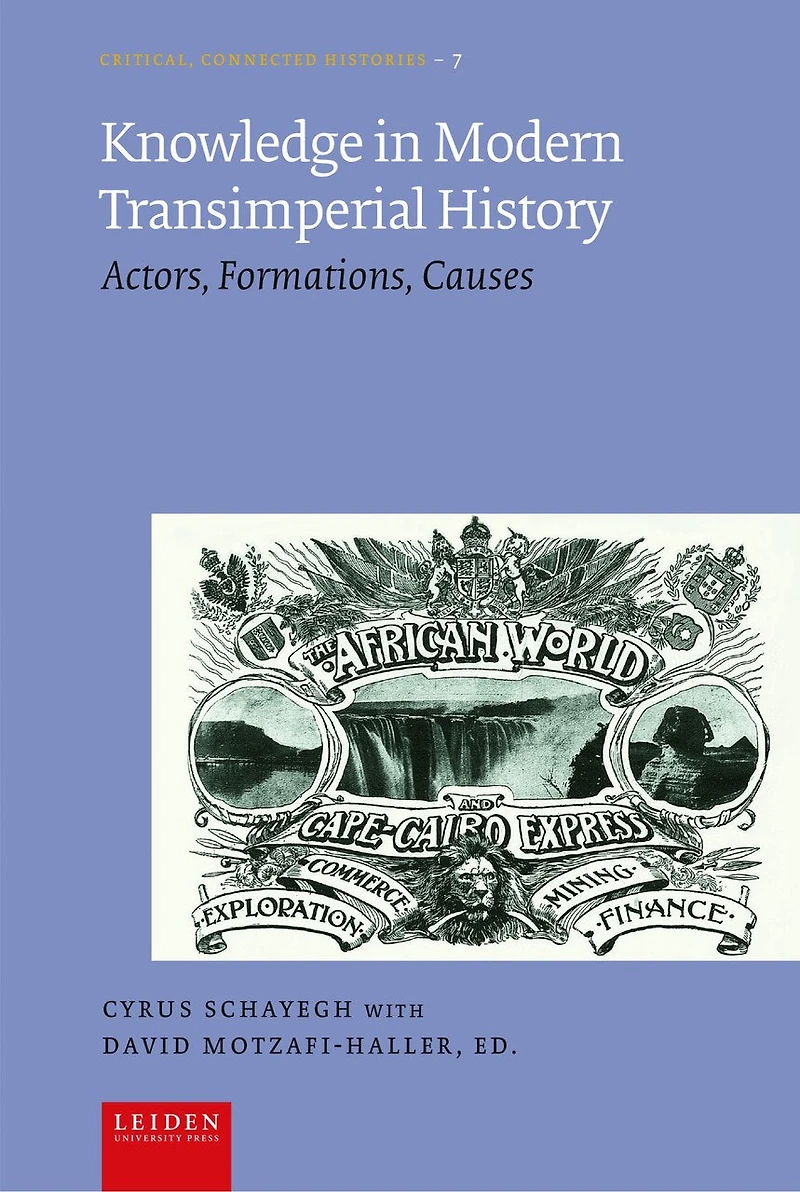
Knowledge in Modern Transimperial History: Actors, Formations, Causes
Current price: $186.95

Knowledge in Modern Transimperial History: Actors, Formations, Causes
Current price: $186.95
Loading Inventory...
Size: Hardcover
*Product information may vary - to confirm product availability, pricing, shipping and return information please contact Indigo
This volume intervenes in the growing field of transimperial history, which explores interactions across empires—European and non-European—between the mid-1800s and mid-1900s, a period of heightened imperial entanglement. It focuses on how actors from one empire came to know, interpret, and position themselves in relation to actors from other empires, emphasizing the role of socio-professional profiles, informal networks, and formal institutions. The volume is structured around three themes. First, it examines actors, including both individuals (e.g. a Chinese diplomat in Europe) and professional groups (e.g. journalists, military officers). Second, it analyzes formations of transimperial knowledge through diverse textual objects such as bank chops and travelogues, highlighting processes of commensurabilization. Third, it explores causes, noting how specific inter-imperial junctures and enabling factors—like language skills and institutional access—facilitated knowledge creation. Altogether, the volume sheds light on the concrete, situated ways in which transimperial knowledge was produced, mediated, and made meaningful in a competitive imperial world.
This volume intervenes in the growing field of transimperial history, which explores interactions across empires—European and non-European—between the mid-1800s and mid-1900s, a period of heightened imperial entanglement. It focuses on how actors from one empire came to know, interpret, and position themselves in relation to actors from other empires, emphasizing the role of socio-professional profiles, informal networks, and formal institutions. The volume is structured around three themes. First, it examines actors, including both individuals (e.g. a Chinese diplomat in Europe) and professional groups (e.g. journalists, military officers). Second, it analyzes formations of transimperial knowledge through diverse textual objects such as bank chops and travelogues, highlighting processes of commensurabilization. Third, it explores causes, noting how specific inter-imperial junctures and enabling factors—like language skills and institutional access—facilitated knowledge creation. Altogether, the volume sheds light on the concrete, situated ways in which transimperial knowledge was produced, mediated, and made meaningful in a competitive imperial world.
You May Also Like








More About Indigo at Erin Mills Town Centre
The largest book retailer in Canada also offers toys, music, home décor, gifts and lifestyle products. What's Inside...Books, Magazines, CD’s and DVD’s, Toys and Gifts, Home Accents, Electronics, Baby’s and Children’s Section, Bath and Body, Kitchen and Bedroom, Stationary Located outside in the exterior plaza.
5015 Glen Erin Dr, Mississauga, ON L5M 0R7, Canada
Find Indigo at Erin Mills Town Centre in Mississauga ON
Visit Indigo at Erin Mills Town Centre in Mississauga ON