

GIVE THE PERFECT GIFT
Erin Mills Town Centre Gift Cards are the perfect choice for your gift giving needs.Purchase gift cards at kiosks near the food court or centre court, at Guest Services, or click below to purchase online.PURCHASE HEREHome
Knowledge Management and Organizational Learning
Indigo
Loading Inventory...
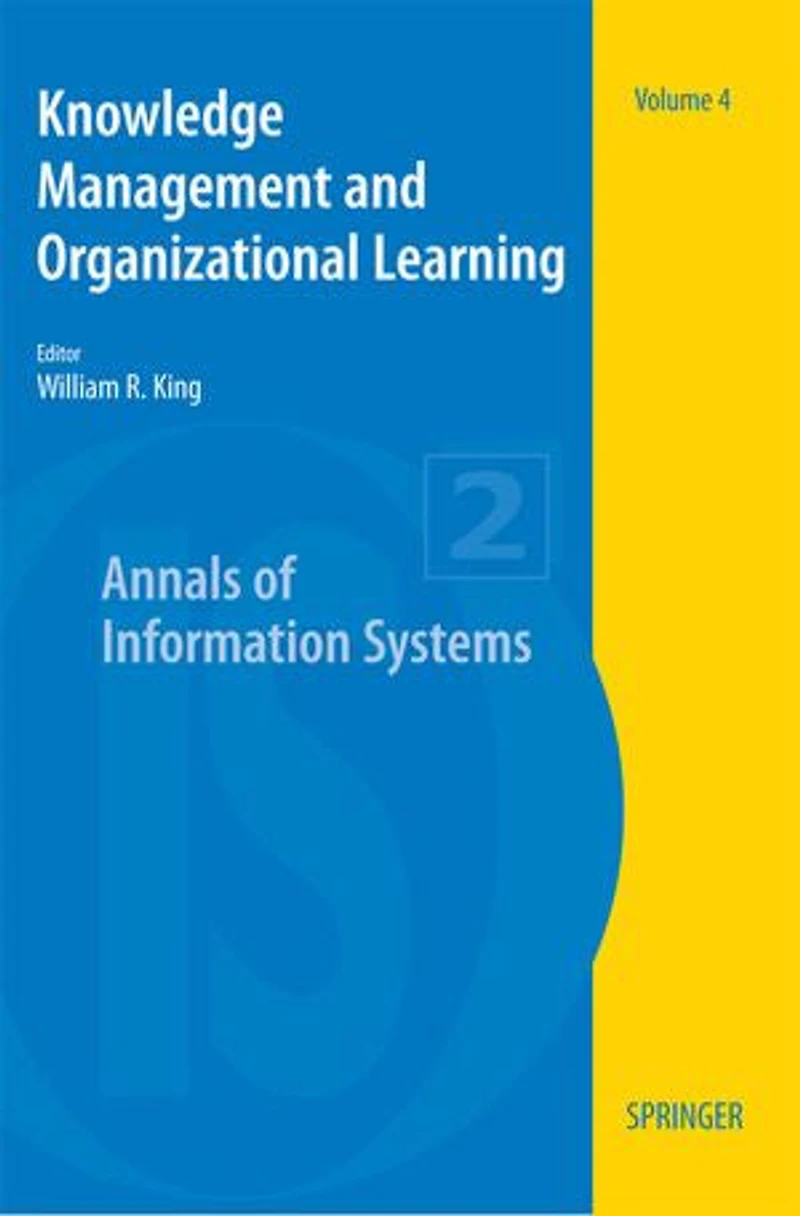
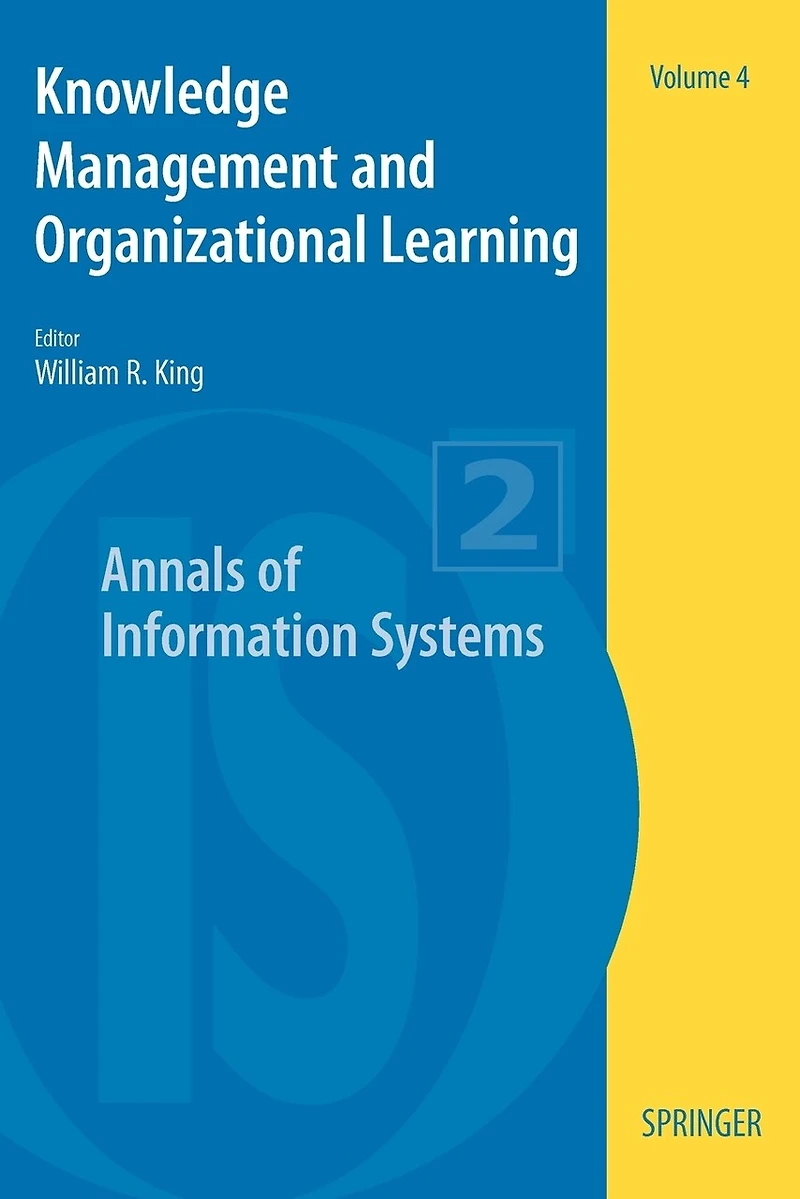
Knowledge Management and Organizational Learning
Current price: $282.59
Original price: $353.17

Knowledge Management and Organizational Learning
Current price: $282.59
Original price: $353.17
Loading Inventory...
Size: Kobo eBook
*Product information may vary - to confirm product availability, pricing, shipping and return information please contact Indigo
Knowledge management (KM) is a set of relatively-new organizational activities that are aimed at improving knowledge, knowledge-related practices, organizational behaviors and decisions and organizational performance. KM focuses on knowledge processes-knowledge creation, acquisition, refinement, storage, transfer, sharing and utilization. These processes support organizational processes involving innovation, individual learning, collective learning and collaborative decision-making. The "intermediate outcomes" of KM are improved organizational behaviors, decisions, products, services, processes and relationships that enable the organization to improve its overall performance. Knowledge Management and Organizational Learning presents some 20 papers organized into five sections covering basic concepts of knowledge management; knowledge management issues; knowledge management applications; measurement and evaluation of knowledge management and organizational learning; and organizational learning.
Knowledge management (KM) is a set of relatively-new organizational activities that are aimed at improving knowledge, knowledge-related practices, organizational behaviors and decisions and organizational performance. KM focuses on knowledge processes-knowledge creation, acquisition, refinement, storage, transfer, sharing and utilization. These processes support organizational processes involving innovation, individual learning, collective learning and collaborative decision-making. The "intermediate outcomes" of KM are improved organizational behaviors, decisions, products, services, processes and relationships that enable the organization to improve its overall performance. Knowledge Management and Organizational Learning presents some 20 papers organized into five sections covering basic concepts of knowledge management; knowledge management issues; knowledge management applications; measurement and evaluation of knowledge management and organizational learning; and organizational learning.
You May Also Like








More About Indigo at Erin Mills Town Centre
The largest book retailer in Canada also offers toys, music, home décor, gifts and lifestyle products. What's Inside...Books, Magazines, CD’s and DVD’s, Toys and Gifts, Home Accents, Electronics, Baby’s and Children’s Section, Bath and Body, Kitchen and Bedroom, Stationary Located outside in the exterior plaza.
5015 Glen Erin Dr, Mississauga, ON L5M 0R7, Canada
Find Indigo at Erin Mills Town Centre in Mississauga ON
Visit Indigo at Erin Mills Town Centre in Mississauga ON