

GIVE THE PERFECT GIFT
Erin Mills Town Centre Gift Cards are the perfect choice for your gift giving needs.Purchase gift cards at kiosks near the food court or centre court, at Guest Services, or click below to purchase online.PURCHASE HEREHome
Knowledge Medieval Philosophy
Indigo
Loading Inventory...
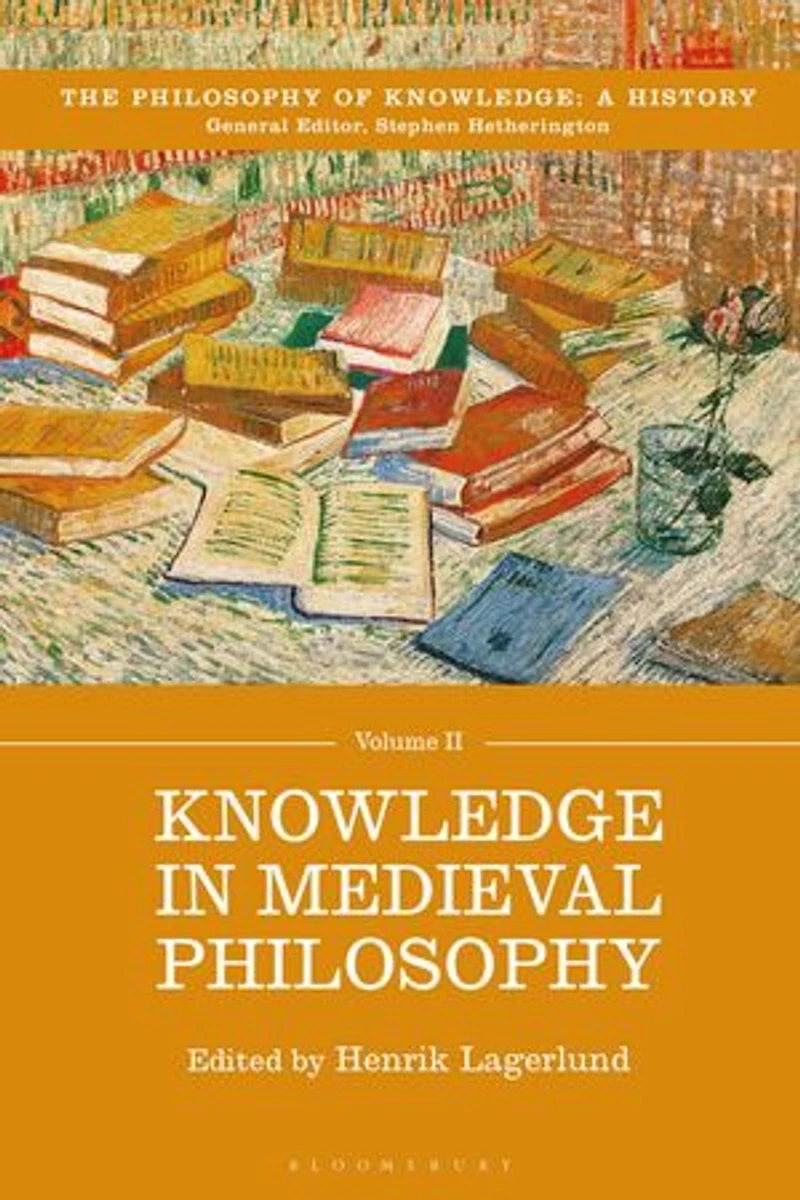
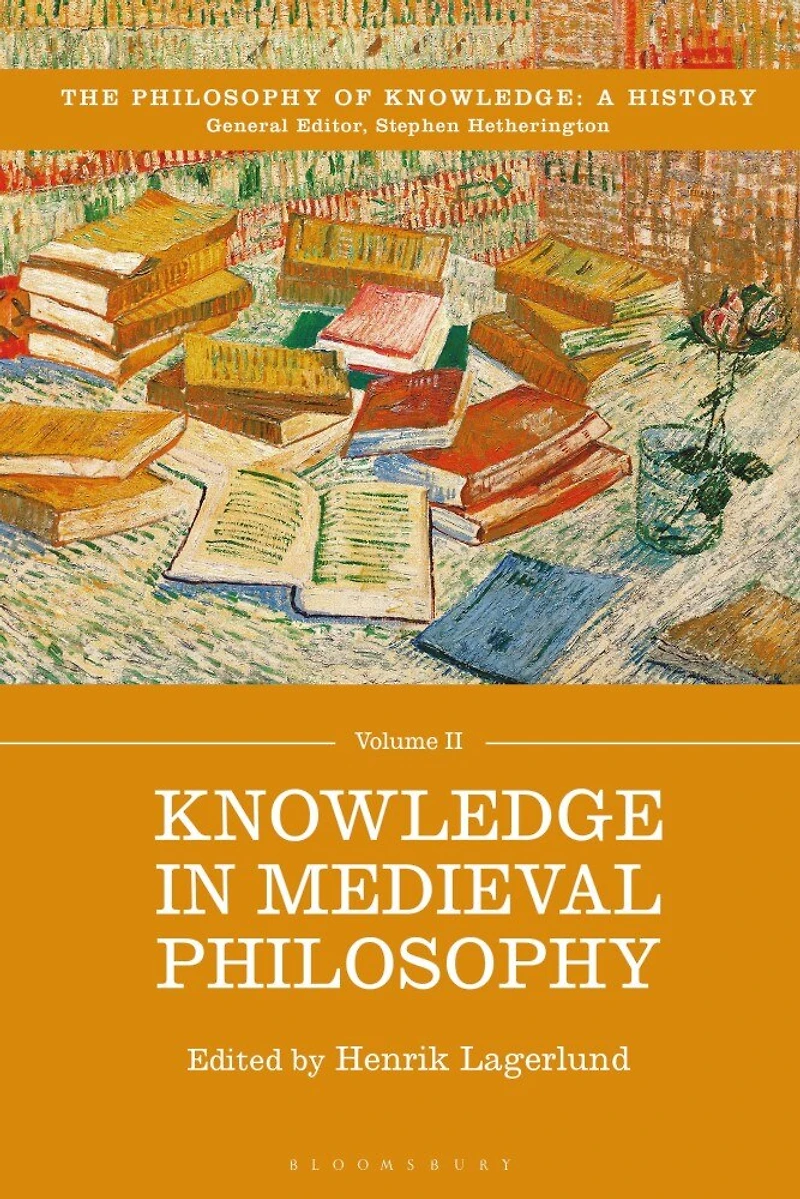
Knowledge Medieval Philosophy
Current price: $38.99
Original price: $48.55

Knowledge Medieval Philosophy
Current price: $38.99
Original price: $48.55
Loading Inventory...
Size: Kobo eBook
*Product information may vary - to confirm product availability, pricing, shipping and return information please contact Indigo
To know epistemology's history is to know better what contemporary epistemology could be and perhaps should be - and what it need not be and perhaps ought not to be. Knowledge in Medieval Philosophy covers the influence of Aristotle and Augustine during the Middle Ages. Epistemology, including scepticism, was part of philosophy from the late-thirteenth century onwards, with knowledge being of great philosophical concern throughout the Middle Ages. By placing these medieval discussions within a wider setting, this volume sheds light on the era and its thinkers, as well as making these relevant for contemporary epistemologists. Highlighting important aspects of epistemology with huge importance for our everyday lives, this volume's chapters cover such notions as testimony and intellectual virtues, along with thinkers such as Avicenna, Aquinas, Scotus, and Ockham.
To know epistemology's history is to know better what contemporary epistemology could be and perhaps should be - and what it need not be and perhaps ought not to be. Knowledge in Medieval Philosophy covers the influence of Aristotle and Augustine during the Middle Ages. Epistemology, including scepticism, was part of philosophy from the late-thirteenth century onwards, with knowledge being of great philosophical concern throughout the Middle Ages. By placing these medieval discussions within a wider setting, this volume sheds light on the era and its thinkers, as well as making these relevant for contemporary epistemologists. Highlighting important aspects of epistemology with huge importance for our everyday lives, this volume's chapters cover such notions as testimony and intellectual virtues, along with thinkers such as Avicenna, Aquinas, Scotus, and Ockham.
You May Also Like








More About Indigo at Erin Mills Town Centre
The largest book retailer in Canada also offers toys, music, home décor, gifts and lifestyle products. What's Inside...Books, Magazines, CD’s and DVD’s, Toys and Gifts, Home Accents, Electronics, Baby’s and Children’s Section, Bath and Body, Kitchen and Bedroom, Stationary Located outside in the exterior plaza.
5015 Glen Erin Dr, Mississauga, ON L5M 0R7, Canada
Find Indigo at Erin Mills Town Centre in Mississauga ON
Visit Indigo at Erin Mills Town Centre in Mississauga ON