

GIVE THE PERFECT GIFT
Erin Mills Town Centre Gift Cards are the perfect choice for your gift giving needs.Purchase gift cards at kiosks near the food court or centre court, at Guest Services, or click below to purchase online.PURCHASE HEREHome
Knowledge Sharing Practice
Indigo
Loading Inventory...
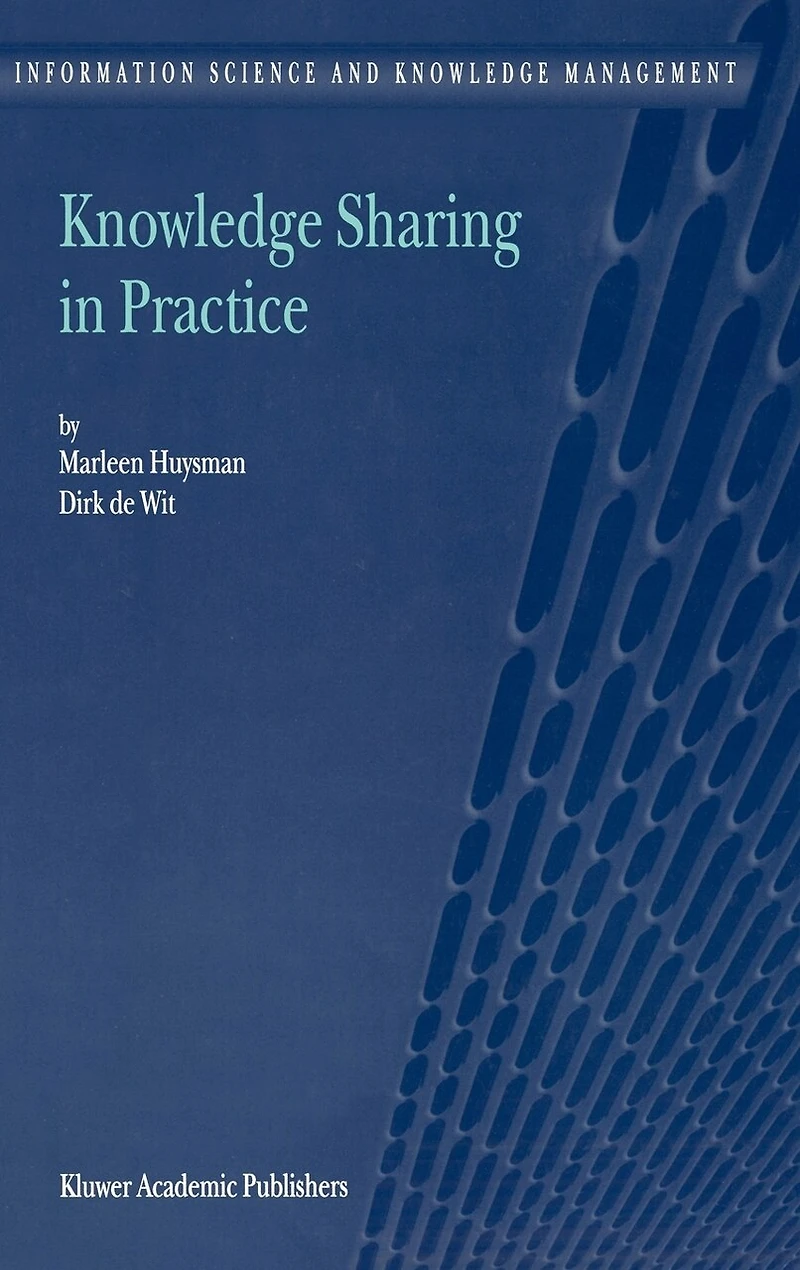
Knowledge Sharing Practice
Current price: $248.50

Knowledge Sharing Practice
Current price: $248.50
Loading Inventory...
Size: Hardcover
*Product information may vary - to confirm product availability, pricing, shipping and return information please contact Indigo
In this volume organizational learning theory is used to analyse various practices of managing and facilitating knowledge sharing within companies. Experiences with three types of knowledge sharing, namely knowledge acquisition, knowledge reuse, and knowledge creation, at ten large companies are discussed and analyzed. This critical analysis leads to the identification of traps and obstacles when managing knowledge sharing, when supporting knowledge sharing with IT tools, and when organizations try to learn from knowledge sharing practices. The identification of these risks is followed by a discussion of how organizations can avoid them. This work will be of interest to researchers and practitioners working in organization science and business administration. Also, consultants and organizations at large will find the book useful as it will provide them with insights into how other organizations manage and facilitate knowledge sharing and how potential failures can be prevented.
In this volume organizational learning theory is used to analyse various practices of managing and facilitating knowledge sharing within companies. Experiences with three types of knowledge sharing, namely knowledge acquisition, knowledge reuse, and knowledge creation, at ten large companies are discussed and analyzed. This critical analysis leads to the identification of traps and obstacles when managing knowledge sharing, when supporting knowledge sharing with IT tools, and when organizations try to learn from knowledge sharing practices. The identification of these risks is followed by a discussion of how organizations can avoid them. This work will be of interest to researchers and practitioners working in organization science and business administration. Also, consultants and organizations at large will find the book useful as it will provide them with insights into how other organizations manage and facilitate knowledge sharing and how potential failures can be prevented.
You May Also Like














More About Indigo at Erin Mills Town Centre
The largest book retailer in Canada also offers toys, music, home décor, gifts and lifestyle products. What's Inside...Books, Magazines, CD’s and DVD’s, Toys and Gifts, Home Accents, Electronics, Baby’s and Children’s Section, Bath and Body, Kitchen and Bedroom, Stationary Located outside in the exterior plaza.
5015 Glen Erin Dr, Mississauga, ON L5M 0R7, Canada
Find Indigo at Erin Mills Town Centre in Mississauga ON
Visit Indigo at Erin Mills Town Centre in Mississauga ON