

GIVE THE PERFECT GIFT
Erin Mills Town Centre Gift Cards are the perfect choice for your gift giving needs.Purchase gift cards at kiosks near the food court or centre court, at Guest Services, or click below to purchase online.PURCHASE HEREHome
Korean International Students and the Making of Racialized Transnational Elites
Indigo
Loading Inventory...
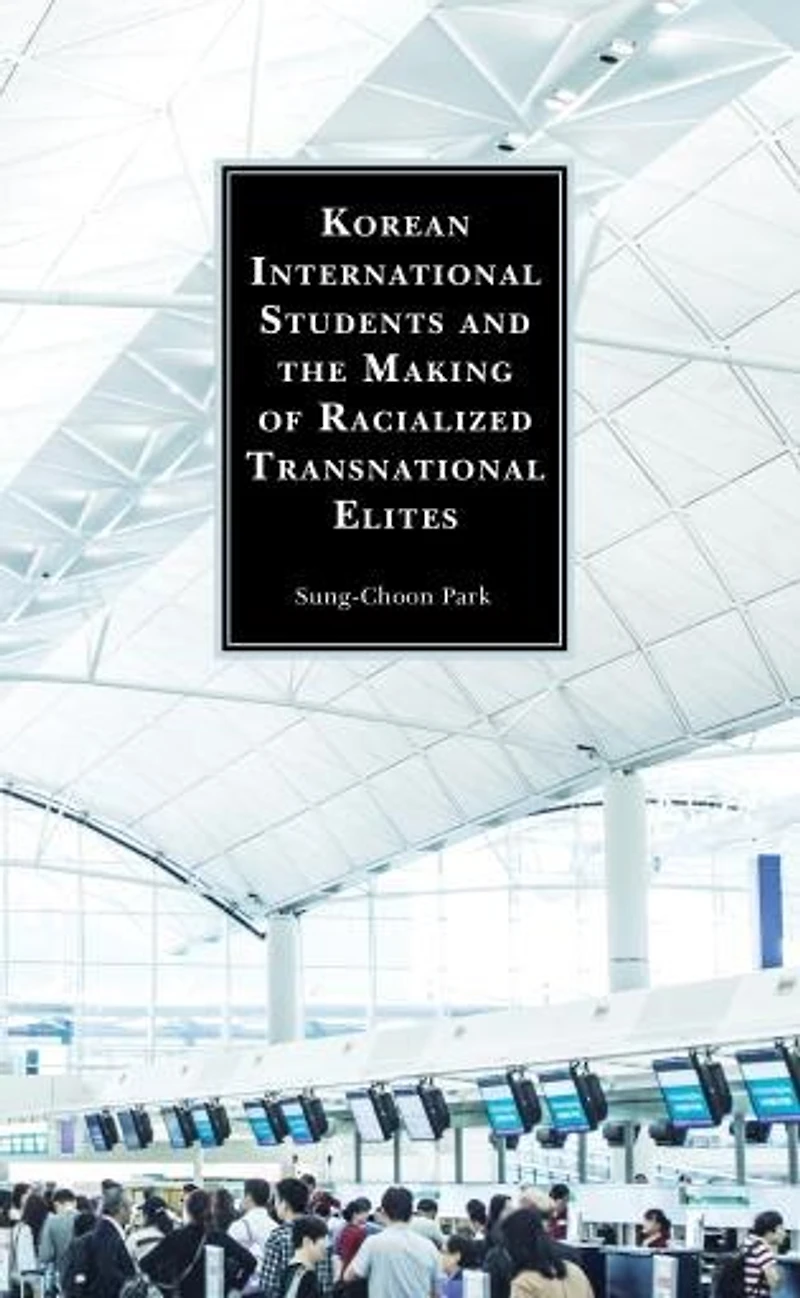
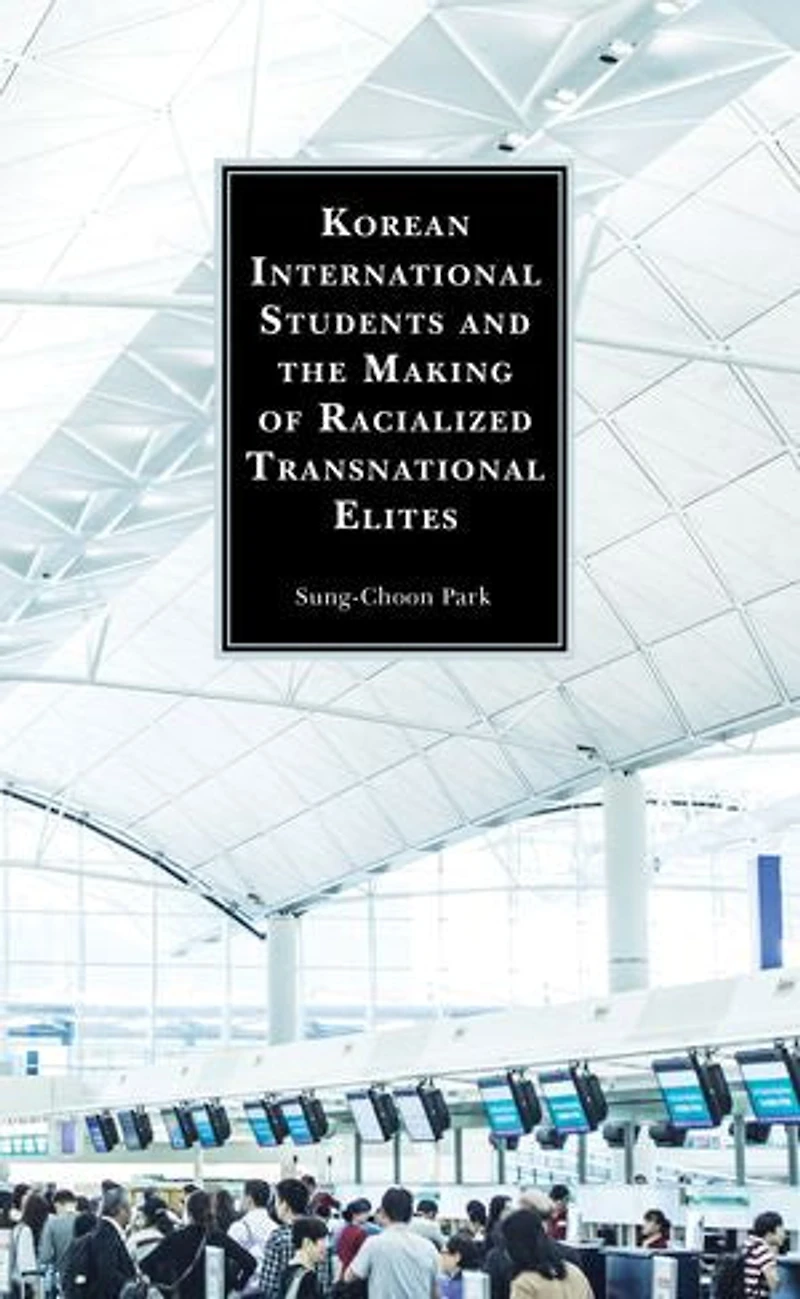
Korean International Students and the Making of Racialized Transnational Elites
Current price: $167.95

Korean International Students and the Making of Racialized Transnational Elites
Current price: $167.95
Loading Inventory...
Size: Hardcover
*Product information may vary - to confirm product availability, pricing, shipping and return information please contact Indigo
By examining privileged and highly skilled Asian migrants, such as international students who acquire legal permanent residency in the United States, this book registers and traces these transnational figures as racialized transnational elites and illuminates the intersectionality and reconfiguration of race, class, ethnicity, and nationality. Using in-depth interviews with Korean international students in New York City and Koreans in South Korea as a case study, this book argues that racialized transnational elites are embedded in racial and ethnic dynamics in the United States as well as in class and nationalist conflicts with non-migrant co-ethnics in the sending country. Sung-Choon Park further argues that strategic responses to the local, social dynamics shape transnational practices such as diaspora-building, transfer of knowledge, conversion of cultural capital, and cross-border communication about race, causing heterogeneous social consequences in both societies.
By examining privileged and highly skilled Asian migrants, such as international students who acquire legal permanent residency in the United States, this book registers and traces these transnational figures as racialized transnational elites and illuminates the intersectionality and reconfiguration of race, class, ethnicity, and nationality. Using in-depth interviews with Korean international students in New York City and Koreans in South Korea as a case study, this book argues that racialized transnational elites are embedded in racial and ethnic dynamics in the United States as well as in class and nationalist conflicts with non-migrant co-ethnics in the sending country. Sung-Choon Park further argues that strategic responses to the local, social dynamics shape transnational practices such as diaspora-building, transfer of knowledge, conversion of cultural capital, and cross-border communication about race, causing heterogeneous social consequences in both societies.
You May Also Like







More About Indigo at Erin Mills Town Centre
The largest book retailer in Canada also offers toys, music, home décor, gifts and lifestyle products. What's Inside...Books, Magazines, CD’s and DVD’s, Toys and Gifts, Home Accents, Electronics, Baby’s and Children’s Section, Bath and Body, Kitchen and Bedroom, Stationary Located outside in the exterior plaza.
5015 Glen Erin Dr, Mississauga, ON L5M 0R7, Canada
Find Indigo at Erin Mills Town Centre in Mississauga ON
Visit Indigo at Erin Mills Town Centre in Mississauga ON