

GIVE THE PERFECT GIFT
Erin Mills Town Centre Gift Cards are the perfect choice for your gift giving needs.Purchase gift cards at kiosks near the food court or centre court, at Guest Services, or click below to purchase online.PURCHASE HEREHome
Kuwait Soil Taxonomy
Indigo
Loading Inventory...
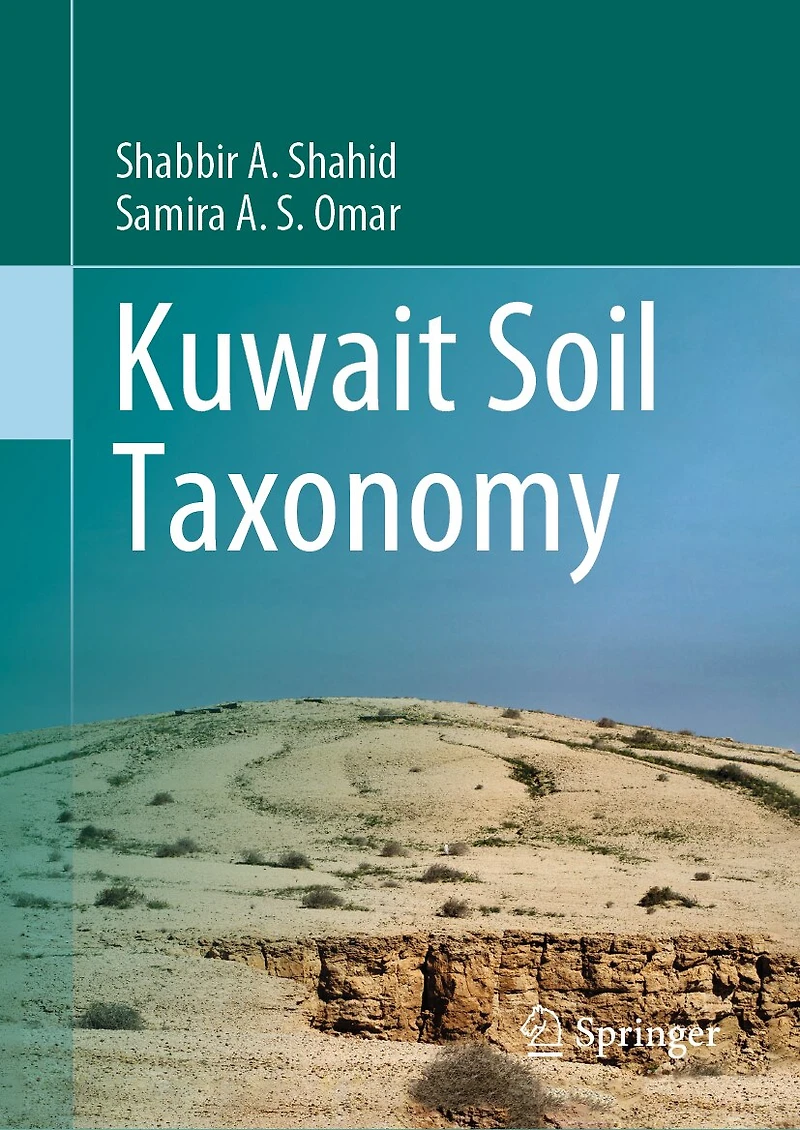
Kuwait Soil Taxonomy
Current price: $189.95

Kuwait Soil Taxonomy
Current price: $189.95
Loading Inventory...
Size: Hardcover
*Product information may vary - to confirm product availability, pricing, shipping and return information please contact Indigo
This book provides guidelines to key soil taxa in the deserts of Kuwait and guidance to associated procedures for laboratory analyses of soils, leading to land use planning on informed decisions. Soils are essential to provide food, feed, and fiber in addition to multiple ecosystem services that sustain life on earth. To achieve the above services sustainably, it is essential to use soils rationally based on their potential for specific uses. This requires establishing national soil classification systems to assess soils locally and to provide guidance to other countries where similar soils may be occurring. Once soil classification is established, it becomes easier to adopt technologies established on similar soils and environmental conditions without conducting long-term and expensive experimental trial. The taxa are established based on soil's morphological, physical, chemical, and mineralogical properties and climatic factors. It offers opportunities to maintain future soil surveys and their correlation to the soils of Kuwait. The book is useful in other arid region countries where similar soil and environmental conditions are existing, such as Bahrain, Oman, Qatar, and Saudi Arabia. The book also has international relevance, as it was prepared by extracting definitions from USDA-NRCS keys to soil taxonomy, and sections related to soils of Kuwait are added in the book. The book is a unique and excellent addition to the international soil literature.
This book provides guidelines to key soil taxa in the deserts of Kuwait and guidance to associated procedures for laboratory analyses of soils, leading to land use planning on informed decisions. Soils are essential to provide food, feed, and fiber in addition to multiple ecosystem services that sustain life on earth. To achieve the above services sustainably, it is essential to use soils rationally based on their potential for specific uses. This requires establishing national soil classification systems to assess soils locally and to provide guidance to other countries where similar soils may be occurring. Once soil classification is established, it becomes easier to adopt technologies established on similar soils and environmental conditions without conducting long-term and expensive experimental trial. The taxa are established based on soil's morphological, physical, chemical, and mineralogical properties and climatic factors. It offers opportunities to maintain future soil surveys and their correlation to the soils of Kuwait. The book is useful in other arid region countries where similar soil and environmental conditions are existing, such as Bahrain, Oman, Qatar, and Saudi Arabia. The book also has international relevance, as it was prepared by extracting definitions from USDA-NRCS keys to soil taxonomy, and sections related to soils of Kuwait are added in the book. The book is a unique and excellent addition to the international soil literature.
You May Also Like










More About Indigo at Erin Mills Town Centre
The largest book retailer in Canada also offers toys, music, home décor, gifts and lifestyle products. What's Inside...Books, Magazines, CD’s and DVD’s, Toys and Gifts, Home Accents, Electronics, Baby’s and Children’s Section, Bath and Body, Kitchen and Bedroom, Stationary Located outside in the exterior plaza.
5015 Glen Erin Dr, Mississauga, ON L5M 0R7, Canada
Find Indigo at Erin Mills Town Centre in Mississauga ON
Visit Indigo at Erin Mills Town Centre in Mississauga ON