

GIVE THE PERFECT GIFT
Erin Mills Town Centre Gift Cards are the perfect choice for your gift giving needs.Purchase gift cards at kiosks near the food court or centre court, at Guest Services, or click below to purchase online.PURCHASE HEREHome
Land and Money Volume 2: How Britain Colonised Australasia in the Long 19th Century
Indigo
Loading Inventory...
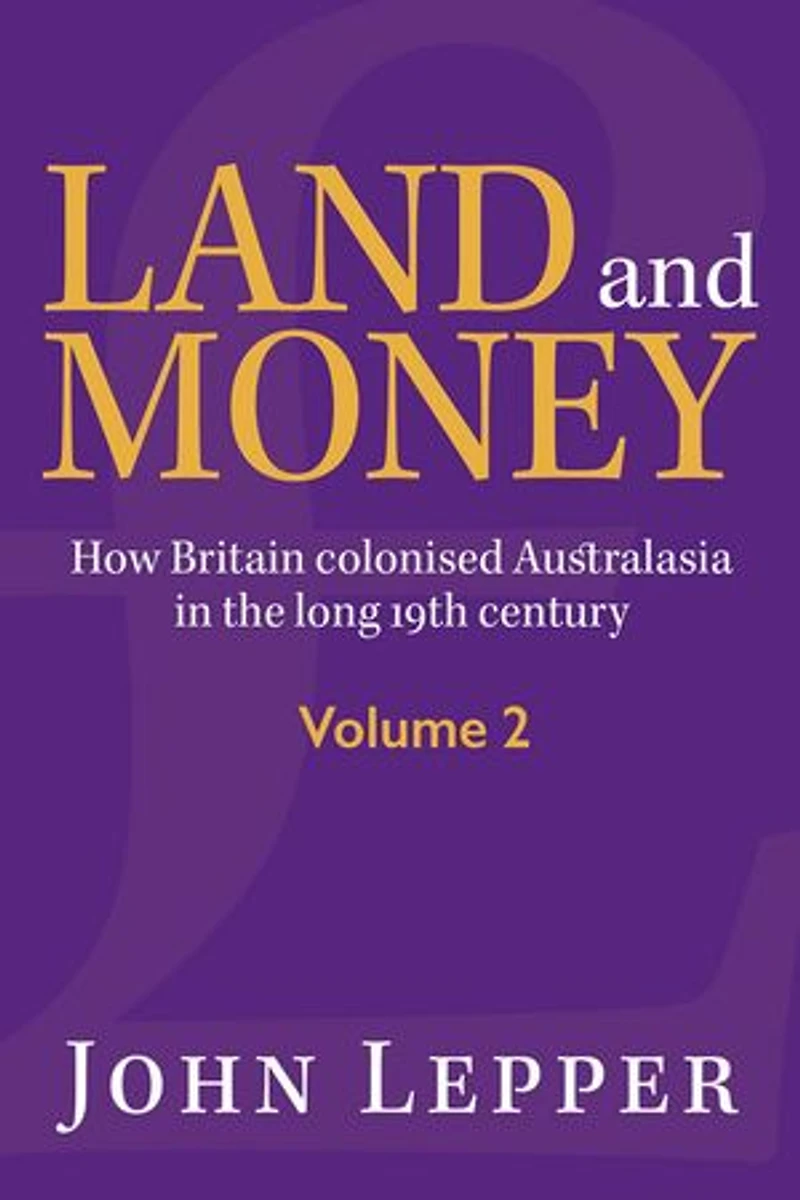
Land and Money Volume 2: How Britain Colonised Australasia in the Long 19th Century
Current price: $10.89
Original price: $13.56

Land and Money Volume 2: How Britain Colonised Australasia in the Long 19th Century
Current price: $10.89
Original price: $13.56
Loading Inventory...
Size: Kobo eBook
*Product information may vary - to confirm product availability, pricing, shipping and return information please contact Indigo
Sequestration of Land in New Zealand
New Zealand Embraces a Land Market
Emerging Monetary Systems
Secondary Market in Land
Land Companies
Land Politics
Australasian Monetary System Before World War 1
Prosperous Servitude
John Lepper closes his two-volume, 130-year examination in 1914 here. He exposes the colonial creation myth - unused resources made productive by sturdy independent settlers who love the Crown and live in places of harmony and progress. The myth was designed, Lepper writes, because no-one wanted to frighten London's risk-averse lenders into raising interest rates on governments' debts. The Antipodean idea of order was to maintain the supply of money at low interest rates.
The commodification of land became vital to allay debtor governments' fears. Lepper picks up tht journey through the individualisation of land title, how colonial rebellion was punished and seen to be so, and, locally, how opportunity knocked to get more land to make more money ... London banks in the 1860s started to make their own way and own pace. Australians and New Zealanders joined the International Monetary System. Good credit made Melbourne 'Marvellous' and Dunedin a wee bit grand. The 1890s 'bust' was the nations' first international depression.
So 'Prosperous Servitude', Lepper's term, is us in 1914.
Sequestration of Land in New Zealand
New Zealand Embraces a Land Market
Emerging Monetary Systems
Secondary Market in Land
Land Companies
Land Politics
Australasian Monetary System Before World War 1
Prosperous Servitude
John Lepper closes his two-volume, 130-year examination in 1914 here. He exposes the colonial creation myth - unused resources made productive by sturdy independent settlers who love the Crown and live in places of harmony and progress. The myth was designed, Lepper writes, because no-one wanted to frighten London's risk-averse lenders into raising interest rates on governments' debts. The Antipodean idea of order was to maintain the supply of money at low interest rates.
The commodification of land became vital to allay debtor governments' fears. Lepper picks up tht journey through the individualisation of land title, how colonial rebellion was punished and seen to be so, and, locally, how opportunity knocked to get more land to make more money ... London banks in the 1860s started to make their own way and own pace. Australians and New Zealanders joined the International Monetary System. Good credit made Melbourne 'Marvellous' and Dunedin a wee bit grand. The 1890s 'bust' was the nations' first international depression.
So 'Prosperous Servitude', Lepper's term, is us in 1914.
You May Also Like










More About Indigo at Erin Mills Town Centre
The largest book retailer in Canada also offers toys, music, home décor, gifts and lifestyle products. What's Inside...Books, Magazines, CD’s and DVD’s, Toys and Gifts, Home Accents, Electronics, Baby’s and Children’s Section, Bath and Body, Kitchen and Bedroom, Stationary Located outside in the exterior plaza.
5015 Glen Erin Dr, Mississauga, ON L5M 0R7, Canada
Find Indigo at Erin Mills Town Centre in Mississauga ON
Visit Indigo at Erin Mills Town Centre in Mississauga ON