

GIVE THE PERFECT GIFT
Erin Mills Town Centre Gift Cards are the perfect choice for your gift giving needs.Purchase gift cards at kiosks near the food court or centre court, at Guest Services, or click below to purchase online.PURCHASE HEREHome
Language, Identity and Urban Space: The Language Use of Latin American Migrants
Indigo
Loading Inventory...
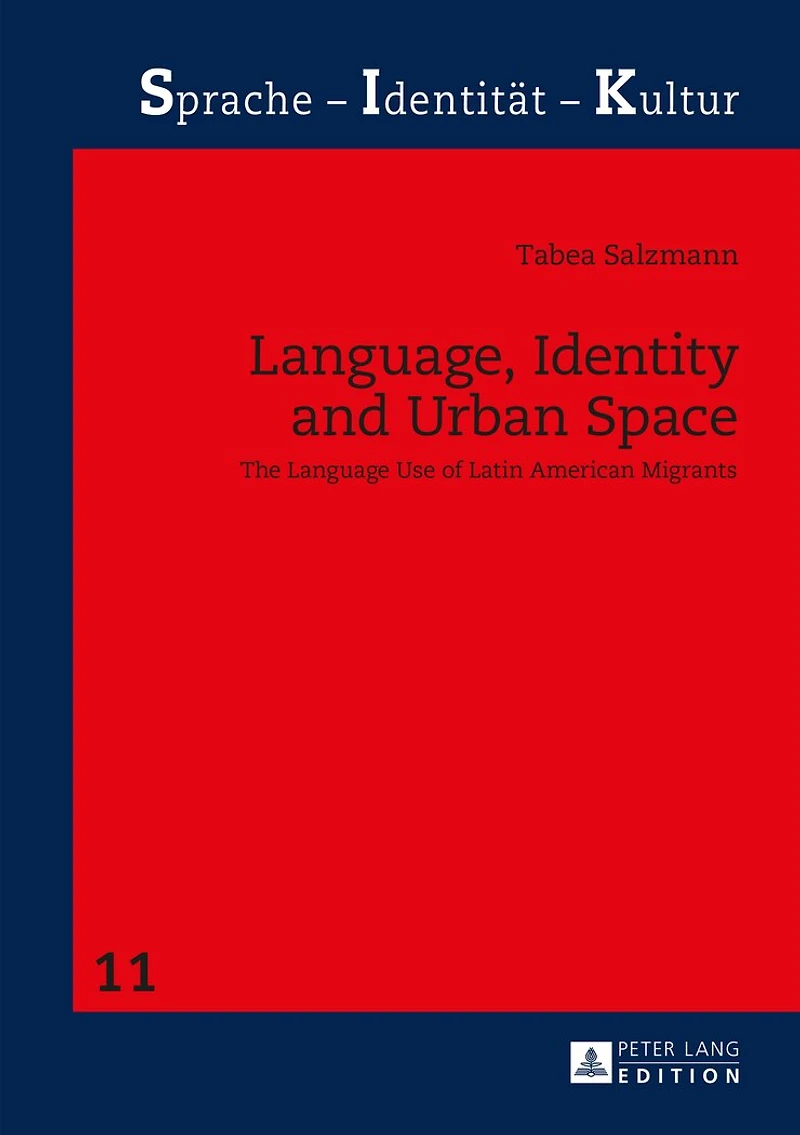
Language, Identity and Urban Space: The Language Use of Latin American Migrants
Current price: $149.55

Language, Identity and Urban Space: The Language Use of Latin American Migrants
Current price: $149.55
Loading Inventory...
Size: Hardcover
*Product information may vary - to confirm product availability, pricing, shipping and return information please contact Indigo
Migration as a process has achieved increasing attention in the context of nation-states and globalisation. In linguistics the field of language contact is particularly associated with this phenomenon. This book investigates the connection between language usage, migration, space, in particular urban space, and the constitution of cultural identity. Two corpora of Andean migrants’ Spanish conversations in Lima and in Madrid are analysed. The resulting comparative analysis provides the material for considerations on language contact, code copying, discourse strategies etc. Throughout the book a new theoretical approach based on linguistic ecology is used. It includes the concept of a general expanded feature pool, which is the basis for language use and identity constitution for migrants.
Migration as a process has achieved increasing attention in the context of nation-states and globalisation. In linguistics the field of language contact is particularly associated with this phenomenon. This book investigates the connection between language usage, migration, space, in particular urban space, and the constitution of cultural identity. Two corpora of Andean migrants’ Spanish conversations in Lima and in Madrid are analysed. The resulting comparative analysis provides the material for considerations on language contact, code copying, discourse strategies etc. Throughout the book a new theoretical approach based on linguistic ecology is used. It includes the concept of a general expanded feature pool, which is the basis for language use and identity constitution for migrants.
You May Also Like







More About Indigo at Erin Mills Town Centre
The largest book retailer in Canada also offers toys, music, home décor, gifts and lifestyle products. What's Inside...Books, Magazines, CD’s and DVD’s, Toys and Gifts, Home Accents, Electronics, Baby’s and Children’s Section, Bath and Body, Kitchen and Bedroom, Stationary Located outside in the exterior plaza.
5015 Glen Erin Dr, Mississauga, ON L5M 0R7, Canada
Find Indigo at Erin Mills Town Centre in Mississauga ON
Visit Indigo at Erin Mills Town Centre in Mississauga ON