

GIVE THE PERFECT GIFT
Erin Mills Town Centre Gift Cards are the perfect choice for your gift giving needs.Purchase gift cards at kiosks near the food court or centre court, at Guest Services, or click below to purchase online.PURCHASE HEREHome
Languages and Silence in the German-Polish Borderland
Indigo
Loading Inventory...
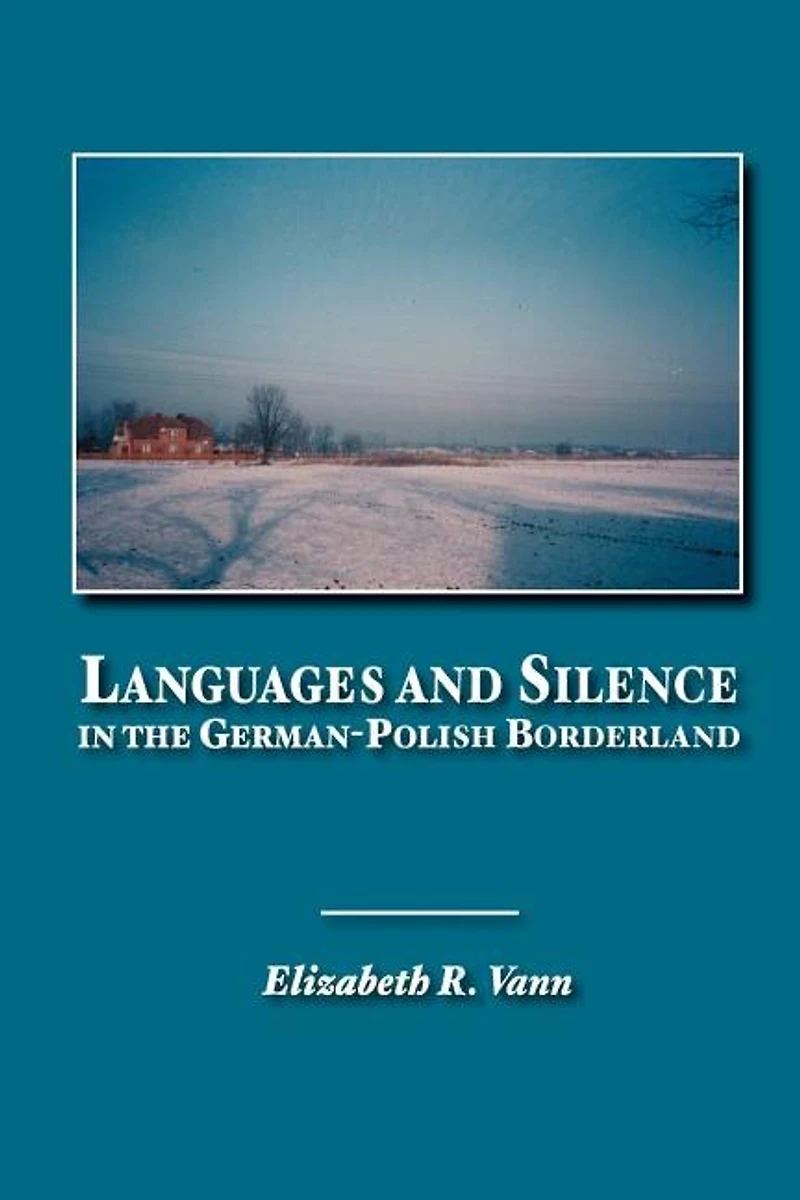
Languages and Silence in the German-Polish Borderland
Current price: $25.95

Languages and Silence in the German-Polish Borderland
Current price: $25.95
Loading Inventory...
Size: Paperback
*Product information may vary - to confirm product availability, pricing, shipping and return information please contact Indigo
Languages and Silence is an ethnography that focuses on a region of Silesia near Opole where the inhabitants speak three languages: Polish, German, and Silesian. The author spent several different extended periods of time living in a town that she calls Dobra, and she attempts to analyze the different ways that the inhabitants use the three languages and the situational, associational, political, and historical reasons they choose to speak whatever language they are speaking at any given moment. Elizabeth R. Vann describes interpersonal situations in which a speaker uses specific words in one language or another for a particular purpose. Among the study's conclusions are that Silesian is associated with social familiarity and playfulness, while Polish is an expository register that makes a relatively intense, unidirectional claim on addressees' attention, and German is used as "a language of conflict."Additional dimensions of contrast have to do with speakers' "evaluations of cultural and temporal distance," with Silesian indicating cultural closeness (identity as well as indigeneity or archaism), Polish greater cultural distance (and fanciness), and German a farther extreme of otherness. The author also argues that the analysis of this linguistic complexity can tell us a lot both about how individuals construct their ethnic and national identities, and how that construction is interwoven with psychology, politics, and history.
Languages and Silence is an ethnography that focuses on a region of Silesia near Opole where the inhabitants speak three languages: Polish, German, and Silesian. The author spent several different extended periods of time living in a town that she calls Dobra, and she attempts to analyze the different ways that the inhabitants use the three languages and the situational, associational, political, and historical reasons they choose to speak whatever language they are speaking at any given moment. Elizabeth R. Vann describes interpersonal situations in which a speaker uses specific words in one language or another for a particular purpose. Among the study's conclusions are that Silesian is associated with social familiarity and playfulness, while Polish is an expository register that makes a relatively intense, unidirectional claim on addressees' attention, and German is used as "a language of conflict."Additional dimensions of contrast have to do with speakers' "evaluations of cultural and temporal distance," with Silesian indicating cultural closeness (identity as well as indigeneity or archaism), Polish greater cultural distance (and fanciness), and German a farther extreme of otherness. The author also argues that the analysis of this linguistic complexity can tell us a lot both about how individuals construct their ethnic and national identities, and how that construction is interwoven with psychology, politics, and history.
You May Also Like








More About Indigo at Erin Mills Town Centre
The largest book retailer in Canada also offers toys, music, home décor, gifts and lifestyle products. What's Inside...Books, Magazines, CD’s and DVD’s, Toys and Gifts, Home Accents, Electronics, Baby’s and Children’s Section, Bath and Body, Kitchen and Bedroom, Stationary Located outside in the exterior plaza.
5015 Glen Erin Dr, Mississauga, ON L5M 0R7, Canada
Find Indigo at Erin Mills Town Centre in Mississauga ON
Visit Indigo at Erin Mills Town Centre in Mississauga ON