

GIVE THE PERFECT GIFT
Erin Mills Town Centre Gift Cards are the perfect choice for your gift giving needs.Purchase gift cards at kiosks near the food court or centre court, at Guest Services, or click below to purchase online.PURCHASE HEREHome
Lectures on the Theory of Ethics (1812)
Indigo
Loading Inventory...
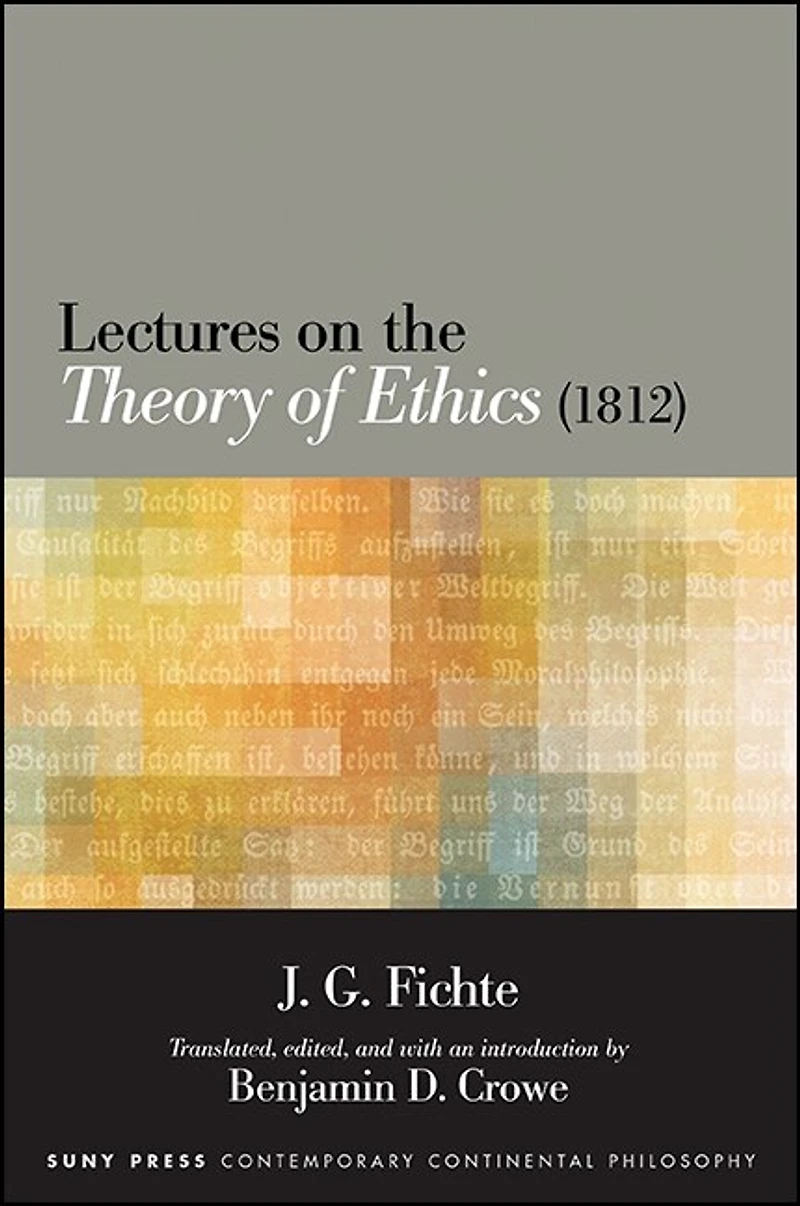
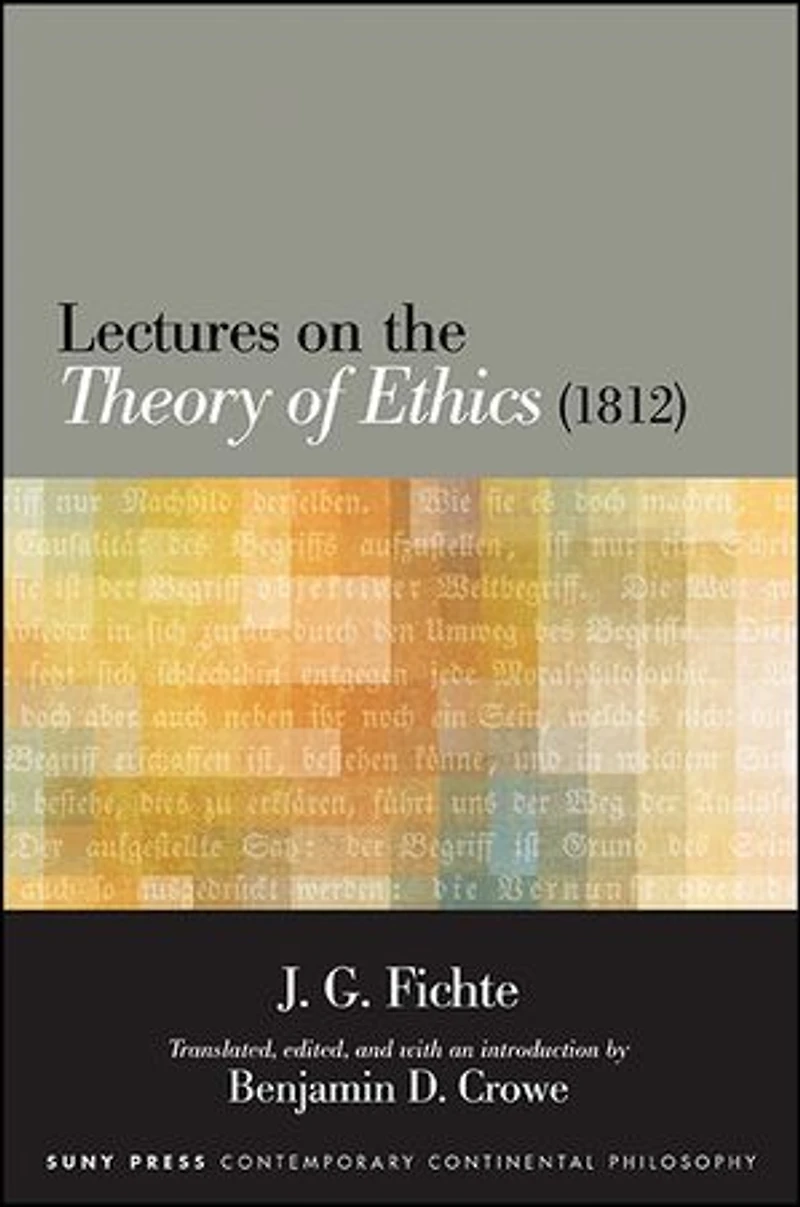
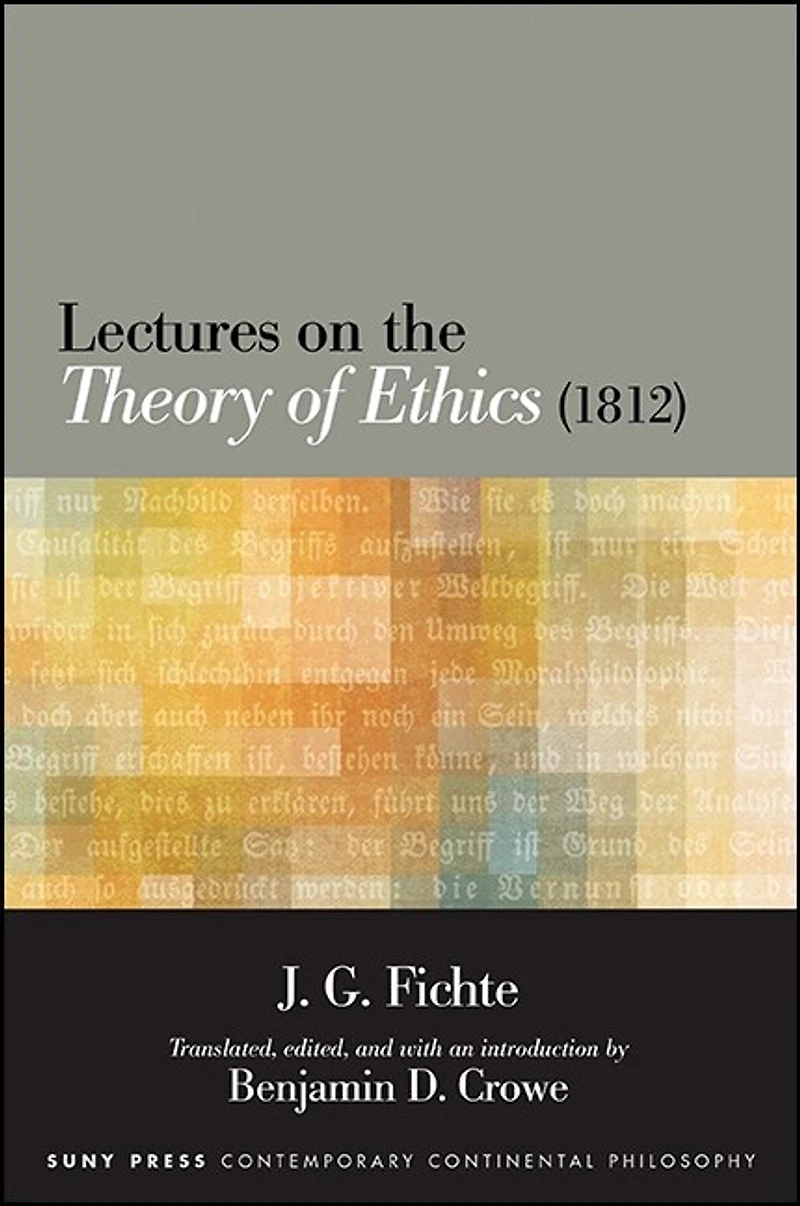
Lectures on the Theory of Ethics (1812)
Current price: $135.95

Lectures on the Theory of Ethics (1812)
Current price: $135.95
Loading Inventory...
Size: Hardcover
*Product information may vary - to confirm product availability, pricing, shipping and return information please contact Indigo
Lectures from the late period of Fichte's career, never before available in English.
Translated here for the first time into English, this text furnishes a new window into the final phase of Fichte's career. Delivered in the summer of 1812 at the newly founded University of Berlin, Fichte's lectures on ethics explore some of the key concepts and issues in his evolving system of radical idealism. Addressing moral theory, the theory of education, the philosophy of history, and the philosophy of religion, Fichte engages both directly and indirectly with some of his most important contemporaries and philosophical rivals, including Kant, Schelling, and Hegel. Benjamin D. Crowe's translation includes extensive annotations and a German-English glossary. His introduction situates the text systematically, historically, and institutionally within an era of cultural ferment and intellectual experimentation, and includes a bibliography of recent scholarship on Fichte's moral theory and on the final period of his career.
Lectures from the late period of Fichte's career, never before available in English.
Translated here for the first time into English, this text furnishes a new window into the final phase of Fichte's career. Delivered in the summer of 1812 at the newly founded University of Berlin, Fichte's lectures on ethics explore some of the key concepts and issues in his evolving system of radical idealism. Addressing moral theory, the theory of education, the philosophy of history, and the philosophy of religion, Fichte engages both directly and indirectly with some of his most important contemporaries and philosophical rivals, including Kant, Schelling, and Hegel. Benjamin D. Crowe's translation includes extensive annotations and a German-English glossary. His introduction situates the text systematically, historically, and institutionally within an era of cultural ferment and intellectual experimentation, and includes a bibliography of recent scholarship on Fichte's moral theory and on the final period of his career.
You May Also Like









More About Indigo at Erin Mills Town Centre
The largest book retailer in Canada also offers toys, music, home décor, gifts and lifestyle products. What's Inside...Books, Magazines, CD’s and DVD’s, Toys and Gifts, Home Accents, Electronics, Baby’s and Children’s Section, Bath and Body, Kitchen and Bedroom, Stationary Located outside in the exterior plaza.
5015 Glen Erin Dr, Mississauga, ON L5M 0R7, Canada
Find Indigo at Erin Mills Town Centre in Mississauga ON
Visit Indigo at Erin Mills Town Centre in Mississauga ON