

GIVE THE PERFECT GIFT
Erin Mills Town Centre Gift Cards are the perfect choice for your gift giving needs.Purchase gift cards at kiosks near the food court or centre court, at Guest Services, or click below to purchase online.PURCHASE HEREHome
Legal Fictions: Constituting Race, Composing Literature
Indigo
Loading Inventory...
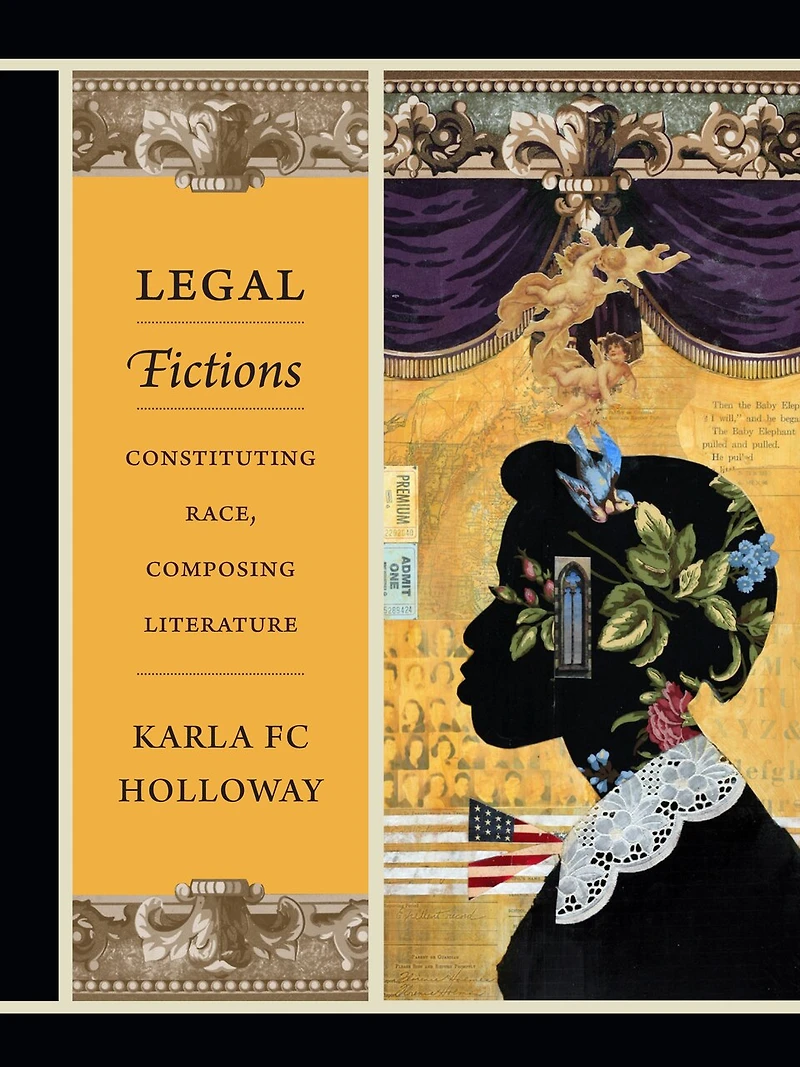
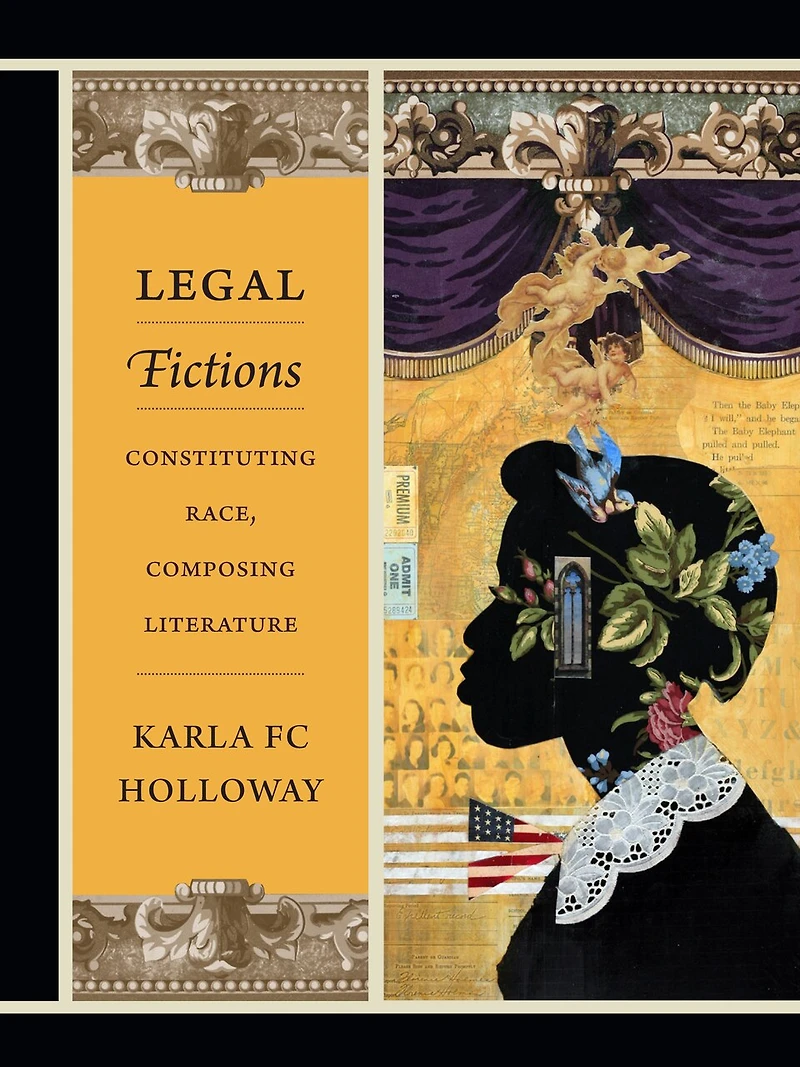
Legal Fictions: Constituting Race, Composing Literature
Current price: $155.95

Legal Fictions: Constituting Race, Composing Literature
Current price: $155.95
Loading Inventory...
Size: Hardcover
*Product information may vary - to confirm product availability, pricing, shipping and return information please contact Indigo
In Legal Fictions , Karla FC Holloway both argues that U.S. racial identity is the creation of U.S. law and demonstrates how black authors of literary fiction have engaged with the law's constructions of race since the era of slavery. Exploring the resonance between U.S. literature and U.S. jurisprudence, Holloway reveals Toni Morrison's Beloved and Charles Johnson's Middle Passage as stories about personhood and property, David Bradley's The Chaneysville Incident and Ralph Ellison's Invisible Man as structured by evidence law, and Nella Larsen's Passing as intimately related to contract law. Holloway engages the intentional, contradictory, and capricious constructions of race embedded in the law with the same energy that she brings to her masterful interpretations of fiction by U.S. writers. Her readings shed new light on the many ways that black U.S. authors have reframed fundamental questions about racial identity, personhood, and the law from the nineteenth into the twenty-first centuries. Legal Fictions is a bold declaration that the black body is thoroughly bound by law and an unflinching look at the implications of that claim.
In Legal Fictions , Karla FC Holloway both argues that U.S. racial identity is the creation of U.S. law and demonstrates how black authors of literary fiction have engaged with the law's constructions of race since the era of slavery. Exploring the resonance between U.S. literature and U.S. jurisprudence, Holloway reveals Toni Morrison's Beloved and Charles Johnson's Middle Passage as stories about personhood and property, David Bradley's The Chaneysville Incident and Ralph Ellison's Invisible Man as structured by evidence law, and Nella Larsen's Passing as intimately related to contract law. Holloway engages the intentional, contradictory, and capricious constructions of race embedded in the law with the same energy that she brings to her masterful interpretations of fiction by U.S. writers. Her readings shed new light on the many ways that black U.S. authors have reframed fundamental questions about racial identity, personhood, and the law from the nineteenth into the twenty-first centuries. Legal Fictions is a bold declaration that the black body is thoroughly bound by law and an unflinching look at the implications of that claim.
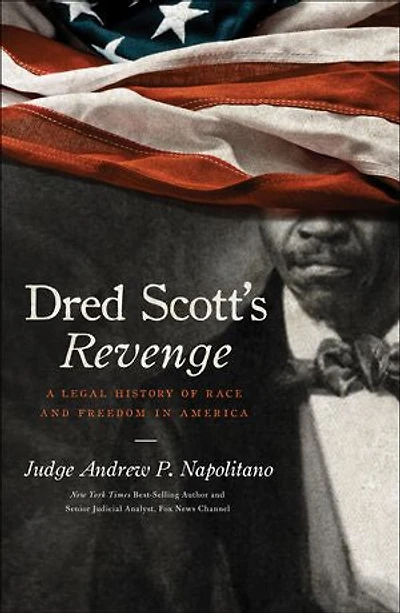
You May Also Like












More About Indigo at Erin Mills Town Centre
The largest book retailer in Canada also offers toys, music, home décor, gifts and lifestyle products. What's Inside...Books, Magazines, CD’s and DVD’s, Toys and Gifts, Home Accents, Electronics, Baby’s and Children’s Section, Bath and Body, Kitchen and Bedroom, Stationary Located outside in the exterior plaza.
5015 Glen Erin Dr, Mississauga, ON L5M 0R7, Canada
Find Indigo at Erin Mills Town Centre in Mississauga ON
Visit Indigo at Erin Mills Town Centre in Mississauga ON