

GIVE THE PERFECT GIFT
Erin Mills Town Centre Gift Cards are the perfect choice for your gift giving needs.Purchase gift cards at kiosks near the food court or centre court, at Guest Services, or click below to purchase online.PURCHASE HEREHome
Legal Reform and Administrative Detention Powers China
Indigo
Loading Inventory...
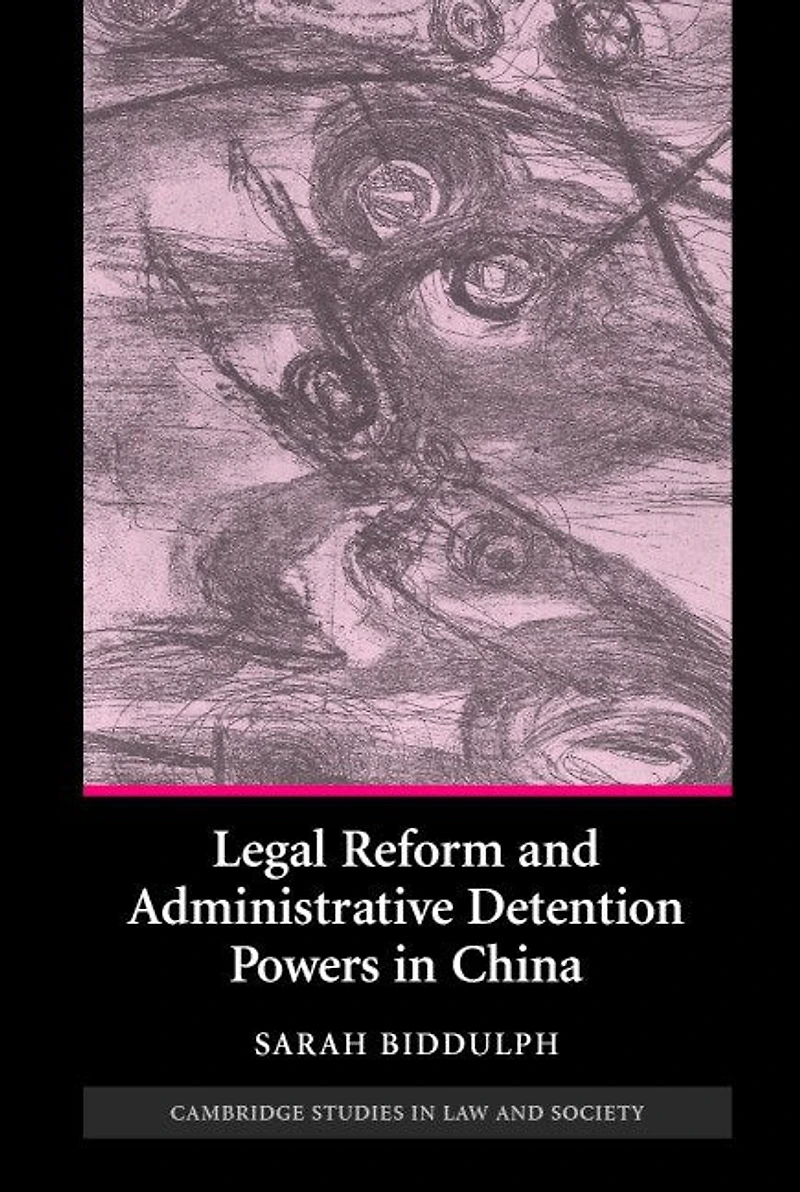
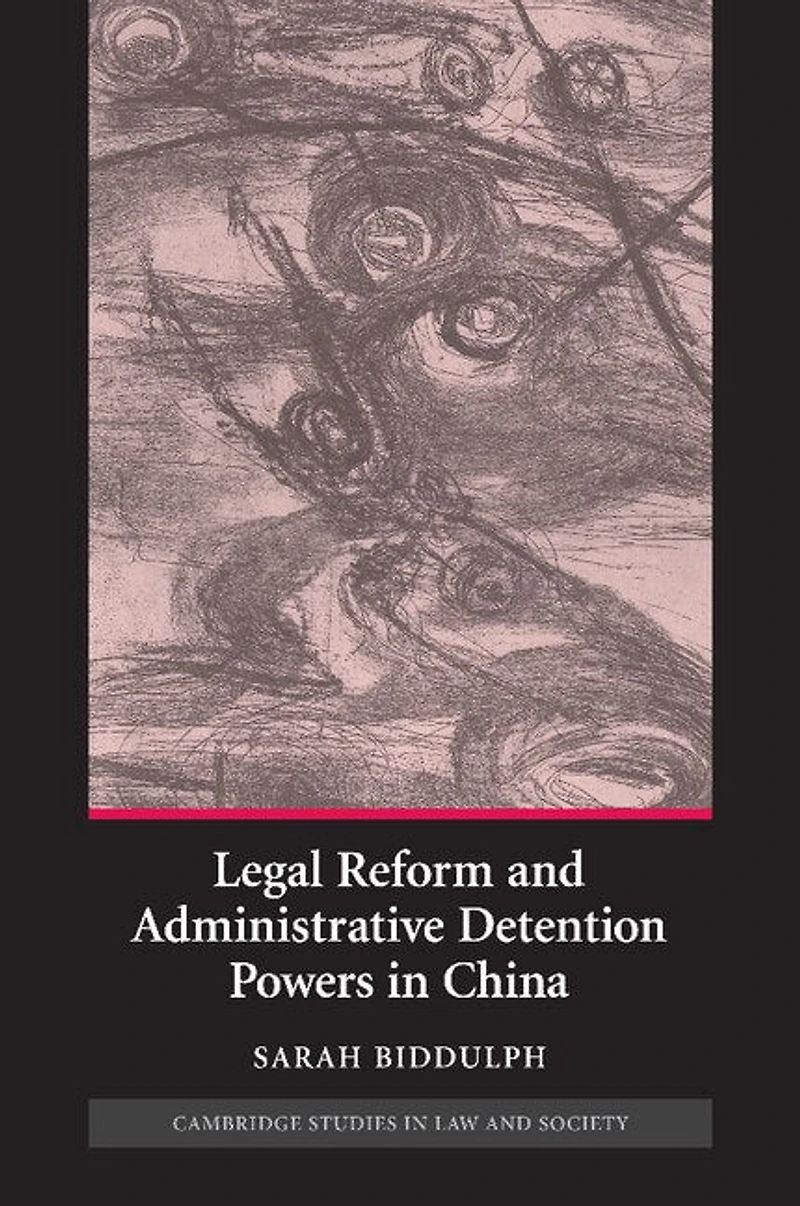
Legal Reform and Administrative Detention Powers China
Current price: $205.95

Legal Reform and Administrative Detention Powers China
Current price: $205.95
Loading Inventory...
Size: Hardcover
*Product information may vary - to confirm product availability, pricing, shipping and return information please contact Indigo
Using a conceptual framework, this 2007 book examines the processes of legal reform in post-socialist countries such as China. Drawing on Bourdieu's concept of the 'field', the increasingly complex and contested processes of legal reform are analysed in relation to police powers. The impact of China's post-1978 legal reforms on police powers is examined through a detailed analysis of three administrative detention powers: detention for education of prostitutes; coercive drug rehabilitation; and re-education through labour. The debate surrounding the abolition in 1996 of detention for investigation (also known as shelter and investigation) is also considered. Despite over 20 years of legal reform, police powers remain poorly defined by law and subject to minimal legal constraint. They continue to be seriously and systematically abused. However, there has been both systematic and occasionally dramatic reform of these powers. This book considers the processes which have made these legal changes possible.
Using a conceptual framework, this 2007 book examines the processes of legal reform in post-socialist countries such as China. Drawing on Bourdieu's concept of the 'field', the increasingly complex and contested processes of legal reform are analysed in relation to police powers. The impact of China's post-1978 legal reforms on police powers is examined through a detailed analysis of three administrative detention powers: detention for education of prostitutes; coercive drug rehabilitation; and re-education through labour. The debate surrounding the abolition in 1996 of detention for investigation (also known as shelter and investigation) is also considered. Despite over 20 years of legal reform, police powers remain poorly defined by law and subject to minimal legal constraint. They continue to be seriously and systematically abused. However, there has been both systematic and occasionally dramatic reform of these powers. This book considers the processes which have made these legal changes possible.
You May Also Like









More About Indigo at Erin Mills Town Centre
The largest book retailer in Canada also offers toys, music, home décor, gifts and lifestyle products. What's Inside...Books, Magazines, CD’s and DVD’s, Toys and Gifts, Home Accents, Electronics, Baby’s and Children’s Section, Bath and Body, Kitchen and Bedroom, Stationary Located outside in the exterior plaza.
5015 Glen Erin Dr, Mississauga, ON L5M 0R7, Canada
Find Indigo at Erin Mills Town Centre in Mississauga ON
Visit Indigo at Erin Mills Town Centre in Mississauga ON