

GIVE THE PERFECT GIFT
Erin Mills Town Centre Gift Cards are the perfect choice for your gift giving needs.Purchase gift cards at kiosks near the food court or centre court, at Guest Services, or click below to purchase online.PURCHASE HEREHome
Legal Tech and the Future of Civil Justice
Indigo
Loading Inventory...
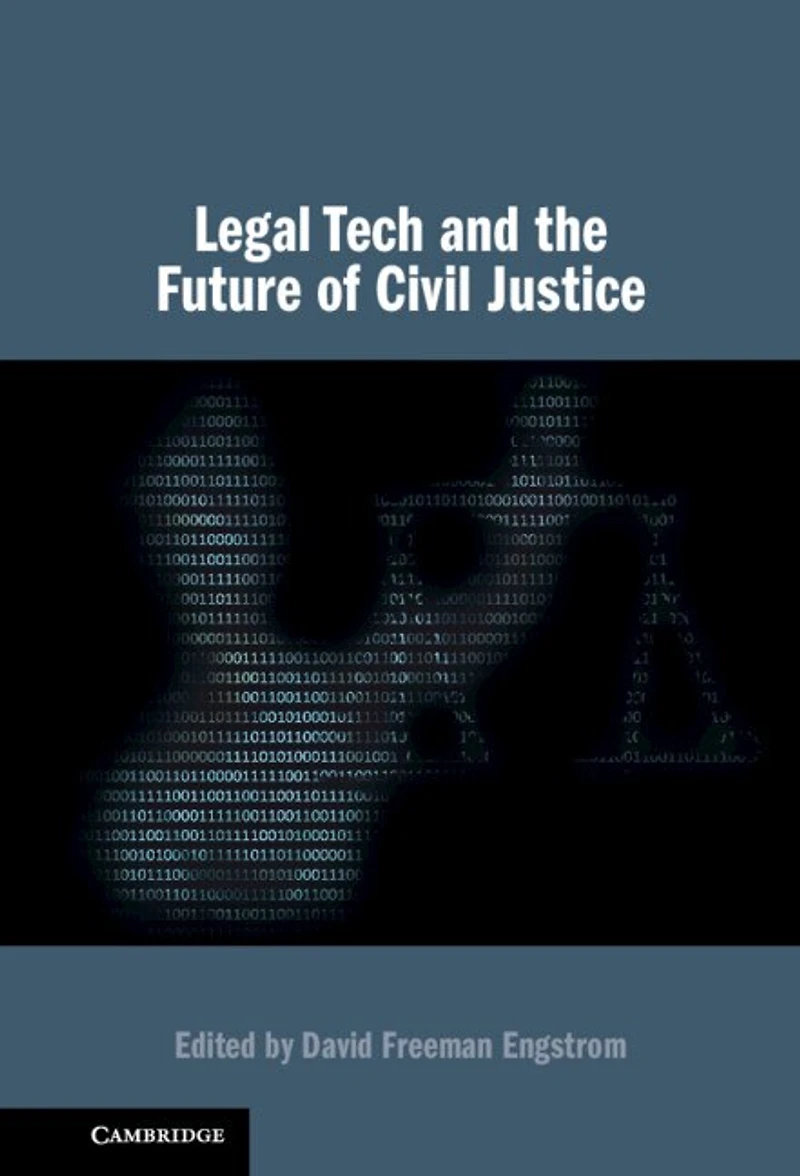
Legal Tech and the Future of Civil Justice
Current price: $160.95

Legal Tech and the Future of Civil Justice
Current price: $160.95
Loading Inventory...
Size: Hardcover
*Product information may vary - to confirm product availability, pricing, shipping and return information please contact Indigo
New digital technologies, from AI-fired 'legal tech' tools to virtual proceedings, are transforming the legal system. But much of the debate surrounding legal tech has zoomed out to a nebulous future of 'robo-judges' and 'robo-lawyers.' This volume is an antidote. Zeroing in on the near- to medium-term, it provides a concrete, empirically minded synthesis of the impact of new digital technologies on litigation and access to justice. How far and fast can legal tech advance given regulatory, organizational, and technological constraints? How will new technologies affect lawyers and litigants, and how should procedural rules adapt? How can technology expand – or curtail – access to justice? And how must judicial administration change to promote healthy technological development and open courthouse doors for all? By engaging these essential questions, this volume helps to map the opportunities and the perils of a rapidly digitizing legal system – and provides grounded advice for a sensible path forward. This book is available as Open Access on Cambridge Core.
New digital technologies, from AI-fired 'legal tech' tools to virtual proceedings, are transforming the legal system. But much of the debate surrounding legal tech has zoomed out to a nebulous future of 'robo-judges' and 'robo-lawyers.' This volume is an antidote. Zeroing in on the near- to medium-term, it provides a concrete, empirically minded synthesis of the impact of new digital technologies on litigation and access to justice. How far and fast can legal tech advance given regulatory, organizational, and technological constraints? How will new technologies affect lawyers and litigants, and how should procedural rules adapt? How can technology expand – or curtail – access to justice? And how must judicial administration change to promote healthy technological development and open courthouse doors for all? By engaging these essential questions, this volume helps to map the opportunities and the perils of a rapidly digitizing legal system – and provides grounded advice for a sensible path forward. This book is available as Open Access on Cambridge Core.
You May Also Like


















More About Indigo at Erin Mills Town Centre
The largest book retailer in Canada also offers toys, music, home décor, gifts and lifestyle products. What's Inside...Books, Magazines, CD’s and DVD’s, Toys and Gifts, Home Accents, Electronics, Baby’s and Children’s Section, Bath and Body, Kitchen and Bedroom, Stationary Located outside in the exterior plaza.
5015 Glen Erin Dr, Mississauga, ON L5M 0R7, Canada
Find Indigo at Erin Mills Town Centre in Mississauga ON
Visit Indigo at Erin Mills Town Centre in Mississauga ON