

GIVE THE PERFECT GIFT
Erin Mills Town Centre Gift Cards are the perfect choice for your gift giving needs.Purchase gift cards at kiosks near the food court or centre court, at Guest Services, or click below to purchase online.PURCHASE HEREHome
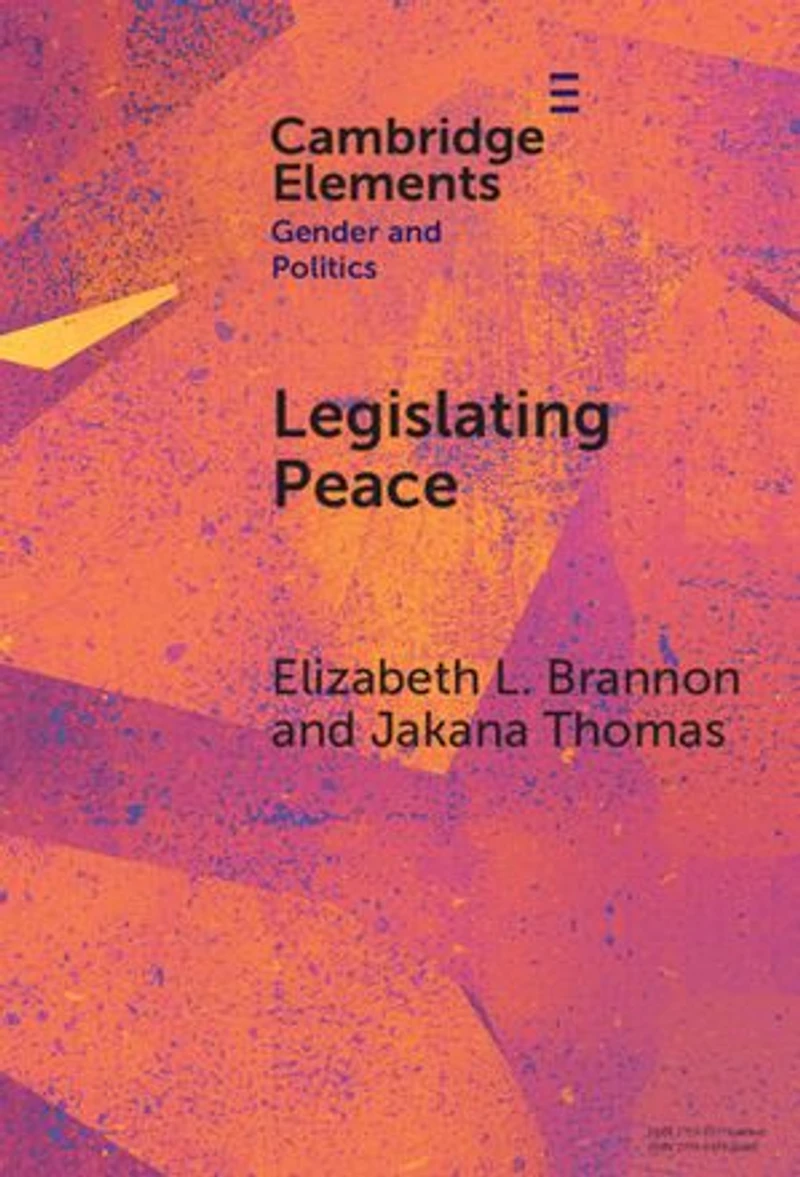
Legislating Peace: How Gender Diverse Rebel Parties Encourage the Implementation of Gender Peace Agreement Provisions
Indigo
Loading Inventory...
Legislating Peace: How Gender Diverse Rebel Parties Encourage the Implementation of Gender Peace Agreement Provisions
Current price: $20.79
Original price: $25.95

Legislating Peace: How Gender Diverse Rebel Parties Encourage the Implementation of Gender Peace Agreement Provisions
Current price: $20.79
Original price: $25.95
Loading Inventory...
Size: Kobo eBook
*Product information may vary - to confirm product availability, pricing, shipping and return information please contact Indigo
Previous research demonstrates that women's participation in peace processes impacts the adoption of gendered peace provisions but leaves questions about whether women can also shape their implementation. This Element argues that women political representatives shape the implementation of gender provisions in peace agreements. In particular, it considers the role of women elected to rebel parties and ex-rebel women representatives. It tests the relationship between women's political representation and the implementation of gender peace provisions using a novel dataset focusing on the implementation of agreements signed in Africa conflicts between 1990 and 2024. The authors supplement their statistical analyses with case evidence from Angola, Rwanda, and Colombia. They find that women's parliamentary representation, especially that of former rebels in rebel parties, has a positive effect on compliance with gender provisions. These findings contribute to the understanding of women's post-war political influence, the implementation of gendered peace provisions, and rebel party politics.
Previous research demonstrates that women's participation in peace processes impacts the adoption of gendered peace provisions but leaves questions about whether women can also shape their implementation. This Element argues that women political representatives shape the implementation of gender provisions in peace agreements. In particular, it considers the role of women elected to rebel parties and ex-rebel women representatives. It tests the relationship between women's political representation and the implementation of gender peace provisions using a novel dataset focusing on the implementation of agreements signed in Africa conflicts between 1990 and 2024. The authors supplement their statistical analyses with case evidence from Angola, Rwanda, and Colombia. They find that women's parliamentary representation, especially that of former rebels in rebel parties, has a positive effect on compliance with gender provisions. These findings contribute to the understanding of women's post-war political influence, the implementation of gendered peace provisions, and rebel party politics.
You May Also Like







More About Indigo at Erin Mills Town Centre
The largest book retailer in Canada also offers toys, music, home décor, gifts and lifestyle products. What's Inside...Books, Magazines, CD’s and DVD’s, Toys and Gifts, Home Accents, Electronics, Baby’s and Children’s Section, Bath and Body, Kitchen and Bedroom, Stationary Located outside in the exterior plaza.
5015 Glen Erin Dr, Mississauga, ON L5M 0R7, Canada
Find Indigo at Erin Mills Town Centre in Mississauga ON
Visit Indigo at Erin Mills Town Centre in Mississauga ON