

GIVE THE PERFECT GIFT
Erin Mills Town Centre Gift Cards are the perfect choice for your gift giving needs.Purchase gift cards at kiosks near the food court or centre court, at Guest Services, or click below to purchase online.PURCHASE HEREHome
Legislative Delegation: The Erosion of Normative Limits Modern Constitutionalism
Indigo
Loading Inventory...
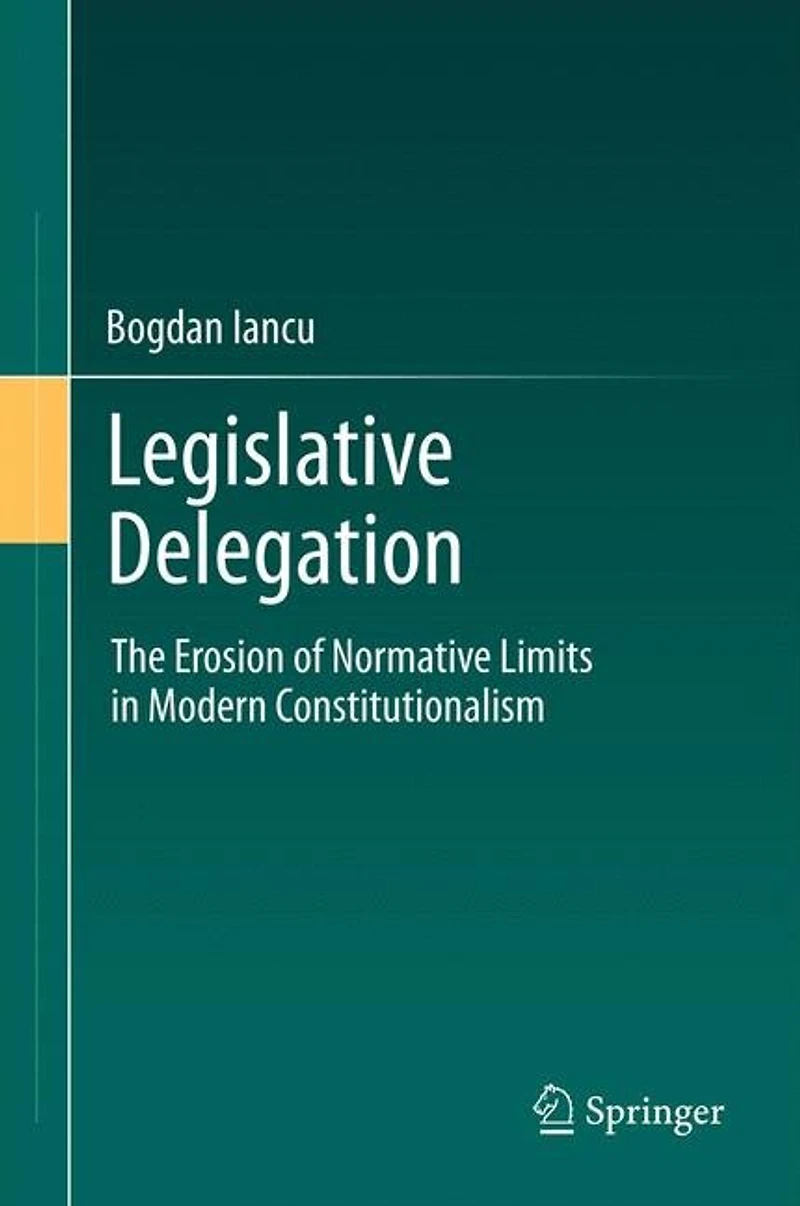
Legislative Delegation: The Erosion of Normative Limits Modern Constitutionalism
Current price: $160.95

Legislative Delegation: The Erosion of Normative Limits Modern Constitutionalism
Current price: $160.95
Loading Inventory...
Size: Hardcover
*Product information may vary - to confirm product availability, pricing, shipping and return information please contact Indigo
An overarching question of contemporary constitutionalism is whether equilibriums devised prior to the emergence of the modern administrative-industrial state can be preserved or recreated by means of fundamental law. The book approaches this problem indirectly, through the conceptual lens offered by constitutional developments relating to the adoption of normative limitations on the delegation of law-making authority. Three analytical strands (constitutional theory, constitutional history, and contemporary constitutional and administrative law) run through the argument. They merge into a broader account of the conceptual ramifications, the phenomenon, and the constitutional treatment of delegation in a number of paradigmatic legal systems. As it is argued, the development and failure of constitutional rules imposing limits on legislative delegation reveal the conditions for the possibility of classical limited government and, conversely, the erosion of normativity in contemporary constitutionalism.
An overarching question of contemporary constitutionalism is whether equilibriums devised prior to the emergence of the modern administrative-industrial state can be preserved or recreated by means of fundamental law. The book approaches this problem indirectly, through the conceptual lens offered by constitutional developments relating to the adoption of normative limitations on the delegation of law-making authority. Three analytical strands (constitutional theory, constitutional history, and contemporary constitutional and administrative law) run through the argument. They merge into a broader account of the conceptual ramifications, the phenomenon, and the constitutional treatment of delegation in a number of paradigmatic legal systems. As it is argued, the development and failure of constitutional rules imposing limits on legislative delegation reveal the conditions for the possibility of classical limited government and, conversely, the erosion of normativity in contemporary constitutionalism.
You May Also Like















More About Indigo at Erin Mills Town Centre
The largest book retailer in Canada also offers toys, music, home décor, gifts and lifestyle products. What's Inside...Books, Magazines, CD’s and DVD’s, Toys and Gifts, Home Accents, Electronics, Baby’s and Children’s Section, Bath and Body, Kitchen and Bedroom, Stationary Located outside in the exterior plaza.
5015 Glen Erin Dr, Mississauga, ON L5M 0R7, Canada
Find Indigo at Erin Mills Town Centre in Mississauga ON
Visit Indigo at Erin Mills Town Centre in Mississauga ON