

GIVE THE PERFECT GIFT
Erin Mills Town Centre Gift Cards are the perfect choice for your gift giving needs.Purchase gift cards at kiosks near the food court or centre court, at Guest Services, or click below to purchase online.PURCHASE HEREHome
Lending Credibility: The International Monetary Fund and the Post-Communist Transition
Indigo
Loading Inventory...
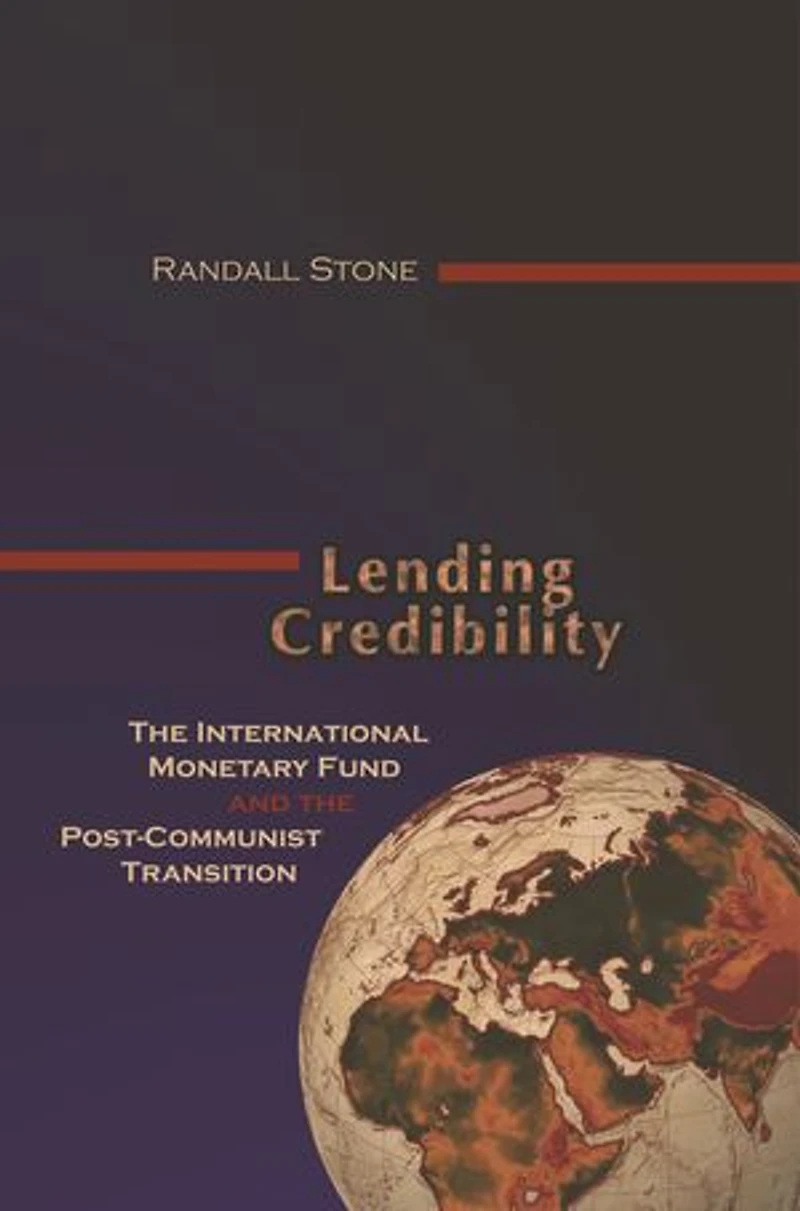
Lending Credibility: The International Monetary Fund and the Post-Communist Transition
Current price: $62.99
Original price: $78.72

Lending Credibility: The International Monetary Fund and the Post-Communist Transition
Current price: $62.99
Original price: $78.72
Loading Inventory...
Size: Kobo eBook
*Product information may vary - to confirm product availability, pricing, shipping and return information please contact Indigo
With the end of the Cold War, the International Monetary Fund emerged as the most powerful international institution in history. But how much influence can the IMF exert over fiercely contested issues in domestic politics that affect the lives of millions? In Lending Credibility , Randall Stone develops the first systematic approach to answering this question. Deploying an arsenal of methods from a range of social sciences rarely combined, he mounts a forceful challenge to conventional wisdom. Focusing on the former Soviet bloc, Stone finds that the IMF is neither as powerful as some critics fear, nor as weak as others believe, but that the answer hinges on the complex factor of how much credibility it can muster from country to country.
Stone begins by building a formal, game-theoretic model of lending credibility, which he then subjects to sophisticated quantitative testing on original data from twenty-six countries over the 1990s. Next come detailed, interview-based case studies on negotiations between the IMF and Russia, Ukraine, Poland, and Bulgaria. Stone asserts that the IMF has exerted startling influence over economic policy in smaller countries, such as Poland and Bulgaria. However, where U.S. foreign policy interests come more heavily into play, as in Russia, the IMF cannot credibly commit to enforcing the loans-for-policy contract. This erodes its ability to facilitate enduring market reforms. Stone's context is the postcommunist transition in Europe and Asia, but his findings carry implications for IMF activities the world over.
With the end of the Cold War, the International Monetary Fund emerged as the most powerful international institution in history. But how much influence can the IMF exert over fiercely contested issues in domestic politics that affect the lives of millions? In Lending Credibility , Randall Stone develops the first systematic approach to answering this question. Deploying an arsenal of methods from a range of social sciences rarely combined, he mounts a forceful challenge to conventional wisdom. Focusing on the former Soviet bloc, Stone finds that the IMF is neither as powerful as some critics fear, nor as weak as others believe, but that the answer hinges on the complex factor of how much credibility it can muster from country to country.
Stone begins by building a formal, game-theoretic model of lending credibility, which he then subjects to sophisticated quantitative testing on original data from twenty-six countries over the 1990s. Next come detailed, interview-based case studies on negotiations between the IMF and Russia, Ukraine, Poland, and Bulgaria. Stone asserts that the IMF has exerted startling influence over economic policy in smaller countries, such as Poland and Bulgaria. However, where U.S. foreign policy interests come more heavily into play, as in Russia, the IMF cannot credibly commit to enforcing the loans-for-policy contract. This erodes its ability to facilitate enduring market reforms. Stone's context is the postcommunist transition in Europe and Asia, but his findings carry implications for IMF activities the world over.
You May Also Like








More About Indigo at Erin Mills Town Centre
The largest book retailer in Canada also offers toys, music, home décor, gifts and lifestyle products. What's Inside...Books, Magazines, CD’s and DVD’s, Toys and Gifts, Home Accents, Electronics, Baby’s and Children’s Section, Bath and Body, Kitchen and Bedroom, Stationary Located outside in the exterior plaza.
5015 Glen Erin Dr, Mississauga, ON L5M 0R7, Canada
Find Indigo at Erin Mills Town Centre in Mississauga ON
Visit Indigo at Erin Mills Town Centre in Mississauga ON