

GIVE THE PERFECT GIFT
Erin Mills Town Centre Gift Cards are the perfect choice for your gift giving needs.Purchase gift cards at kiosks near the food court or centre court, at Guest Services, or click below to purchase online.PURCHASE HEREHome
Leo Strauss and Islamic Political Thought
Indigo
Loading Inventory...
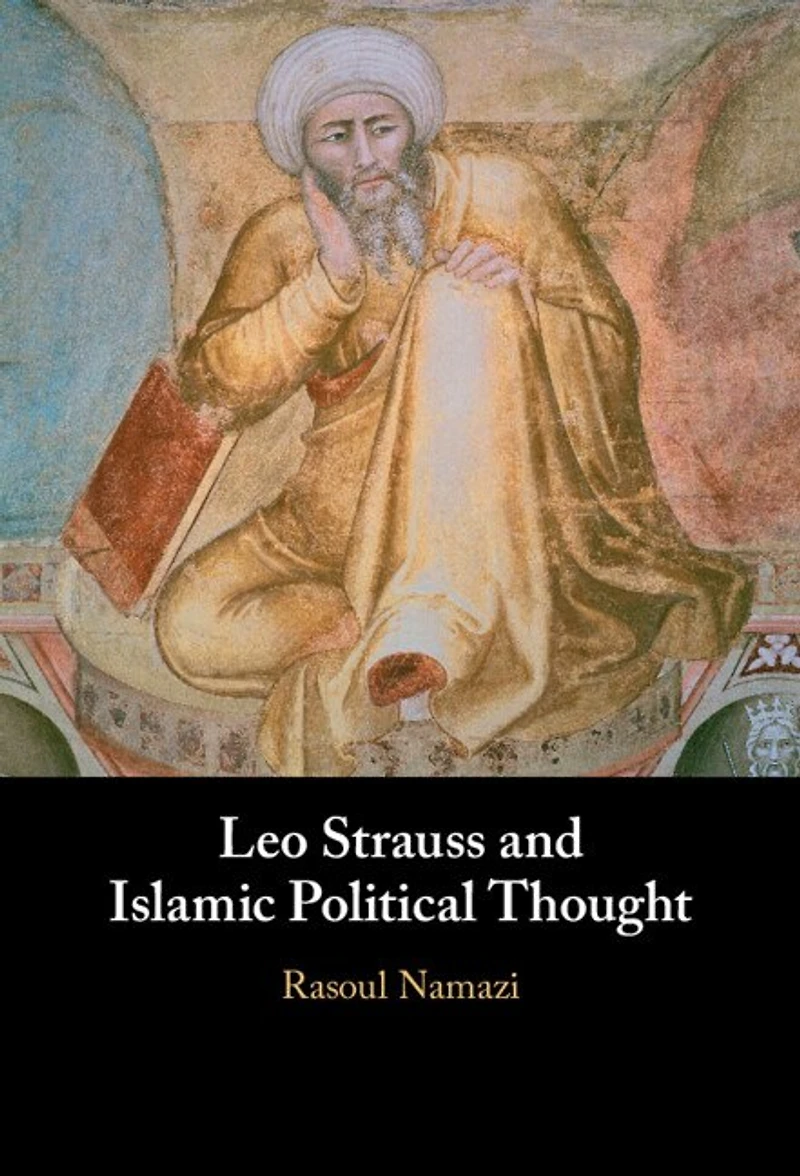
Leo Strauss and Islamic Political Thought
Current price: $127.95

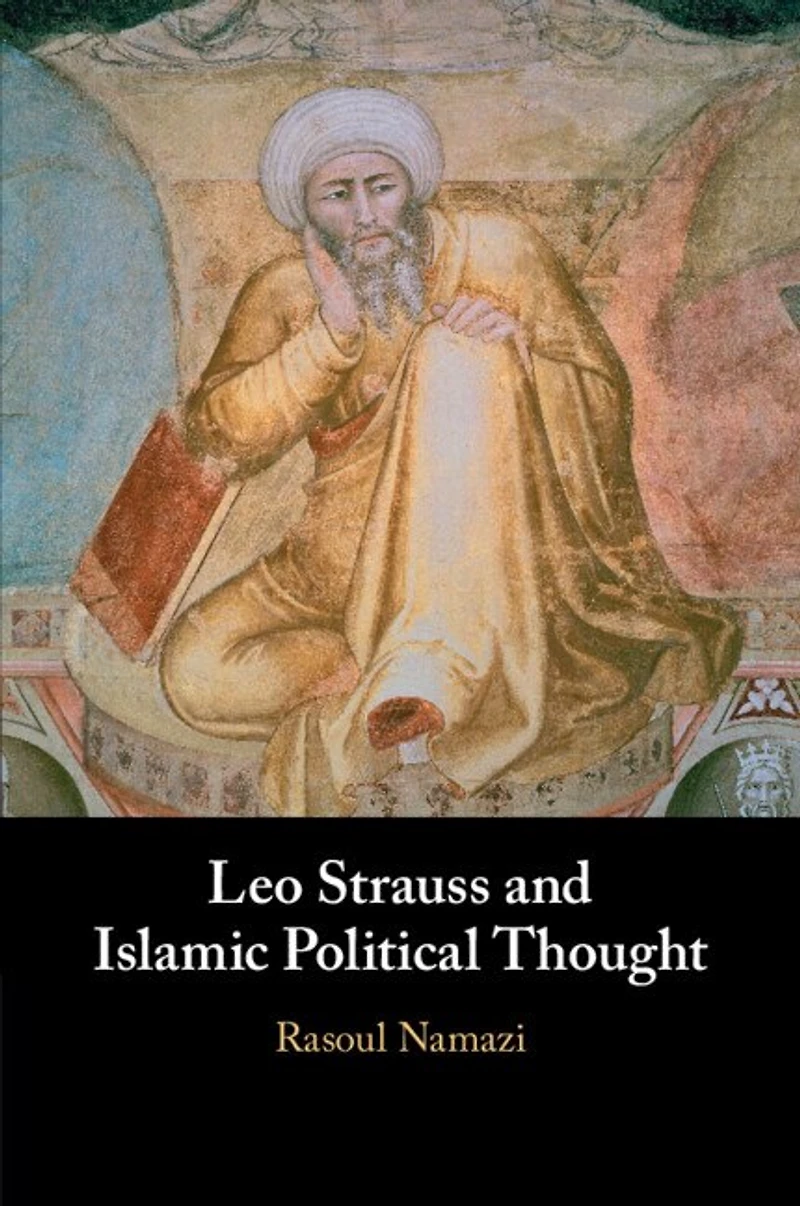
Leo Strauss and Islamic Political Thought
Current price: $127.95
Loading Inventory...
Size: Hardcover
*Product information may vary - to confirm product availability, pricing, shipping and return information please contact Indigo
In this book, Rasoul Namazi offers the first in-depth study of Leo Strauss' writings on Islamic political thought, a topic that interested Strauss over the course of his career. Namazi's volume focuses on several important studies by Strauss on Islamic thought. He critically analyzes Strauss's notes on Averroes' commentary on Plato's Republic and also proposes an interpretation of Strauss' theologico-political notes on the Arabian Nights. Namazi also interprets Strauss' essay on Alfarabi's enigmatic treatise, The Philosophy of Plato and provides a detailed commentary on his complex essay devoted to Alfarabi's summary of Plato's Laws. Based on previously unpublished material from Strauss' papers, Namazi's volume provides new insights into Strauss' reflections on religion, philosophy, and politics, and their relationship to wisdom, persecution, divine law, and unbelief in the works of key Muslim thinkers. His work presents Strauss as one of the most innovative historians and scholars of Islamic thought of all time.
In this book, Rasoul Namazi offers the first in-depth study of Leo Strauss' writings on Islamic political thought, a topic that interested Strauss over the course of his career. Namazi's volume focuses on several important studies by Strauss on Islamic thought. He critically analyzes Strauss's notes on Averroes' commentary on Plato's Republic and also proposes an interpretation of Strauss' theologico-political notes on the Arabian Nights. Namazi also interprets Strauss' essay on Alfarabi's enigmatic treatise, The Philosophy of Plato and provides a detailed commentary on his complex essay devoted to Alfarabi's summary of Plato's Laws. Based on previously unpublished material from Strauss' papers, Namazi's volume provides new insights into Strauss' reflections on religion, philosophy, and politics, and their relationship to wisdom, persecution, divine law, and unbelief in the works of key Muslim thinkers. His work presents Strauss as one of the most innovative historians and scholars of Islamic thought of all time.
You May Also Like









More About Indigo at Erin Mills Town Centre
The largest book retailer in Canada also offers toys, music, home décor, gifts and lifestyle products. What's Inside...Books, Magazines, CD’s and DVD’s, Toys and Gifts, Home Accents, Electronics, Baby’s and Children’s Section, Bath and Body, Kitchen and Bedroom, Stationary Located outside in the exterior plaza.
5015 Glen Erin Dr, Mississauga, ON L5M 0R7, Canada
Find Indigo at Erin Mills Town Centre in Mississauga ON
Visit Indigo at Erin Mills Town Centre in Mississauga ON