

GIVE THE PERFECT GIFT
Erin Mills Town Centre Gift Cards are the perfect choice for your gift giving needs.Purchase gift cards at kiosks near the food court or centre court, at Guest Services, or click below to purchase online.PURCHASE HEREHome
Leonardo da Vinci and Architecture
Indigo
Loading Inventory...
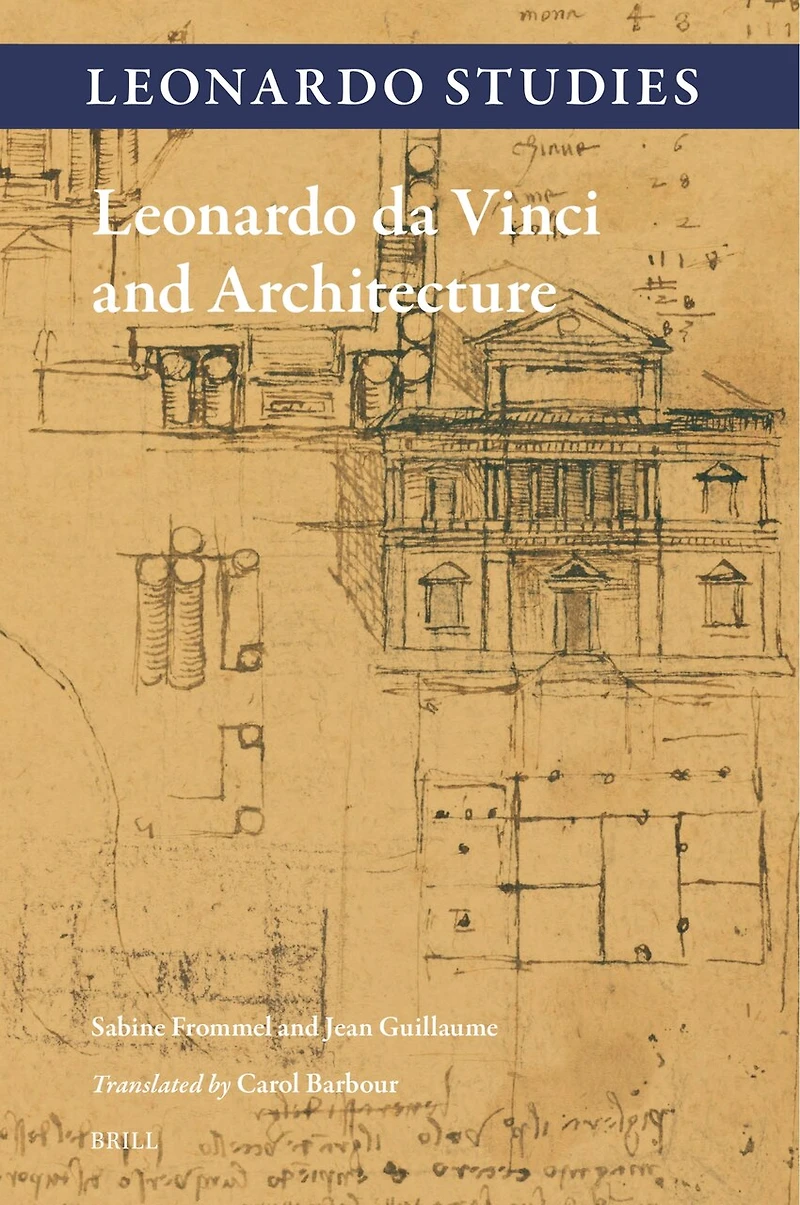
Leonardo da Vinci and Architecture
Current price: $196.99

Leonardo da Vinci and Architecture
Current price: $196.99
Loading Inventory...
Size: Hardcover
*Product information may vary - to confirm product availability, pricing, shipping and return information please contact Indigo
Found scattered among his numerous manuscripts, Leonardo's studies on architecture were conceived during an artistic journey of close to fifty years while their author was in the service of the most prestigious patrons. Dealing with churches, ephemeral monuments, urban reconstruction, fortifications, palaces and villas, and painted architecture—mostly ideal in nature—they are part of the architectural evolution of the late quattrocento and early cinquecento. Leonardo's drawings assimilate the ideas of the pioneers of Renaissance architecture and focus on particular aspects, such as interventions on existing structures, classical orders, staircases, and decoration. Leonardo’s analysis sheds light on dialogues with Bramante, Francesco di Giorgio, Giuliano da Sangallo, Michelangelo, Baldassare Peruzzi and Antonio da Sangallo the Younger and allows us to better understand whether his contributions were innovative, or singular interpretations of the achievements of his time.
This is an augmented translation of Leonardo e l'architettura (Modena: Franco Cosimo Panini, 2019).
Found scattered among his numerous manuscripts, Leonardo's studies on architecture were conceived during an artistic journey of close to fifty years while their author was in the service of the most prestigious patrons. Dealing with churches, ephemeral monuments, urban reconstruction, fortifications, palaces and villas, and painted architecture—mostly ideal in nature—they are part of the architectural evolution of the late quattrocento and early cinquecento. Leonardo's drawings assimilate the ideas of the pioneers of Renaissance architecture and focus on particular aspects, such as interventions on existing structures, classical orders, staircases, and decoration. Leonardo’s analysis sheds light on dialogues with Bramante, Francesco di Giorgio, Giuliano da Sangallo, Michelangelo, Baldassare Peruzzi and Antonio da Sangallo the Younger and allows us to better understand whether his contributions were innovative, or singular interpretations of the achievements of his time.
This is an augmented translation of Leonardo e l'architettura (Modena: Franco Cosimo Panini, 2019).
You May Also Like







More About Indigo at Erin Mills Town Centre
The largest book retailer in Canada also offers toys, music, home décor, gifts and lifestyle products. What's Inside...Books, Magazines, CD’s and DVD’s, Toys and Gifts, Home Accents, Electronics, Baby’s and Children’s Section, Bath and Body, Kitchen and Bedroom, Stationary Located outside in the exterior plaza.
5015 Glen Erin Dr, Mississauga, ON L5M 0R7, Canada
Find Indigo at Erin Mills Town Centre in Mississauga ON
Visit Indigo at Erin Mills Town Centre in Mississauga ON