

GIVE THE PERFECT GIFT
Erin Mills Town Centre Gift Cards are the perfect choice for your gift giving needs.Purchase gift cards at kiosks near the food court or centre court, at Guest Services, or click below to purchase online.PURCHASE HEREHome
Liberal Parties Europe
Indigo
Loading Inventory...
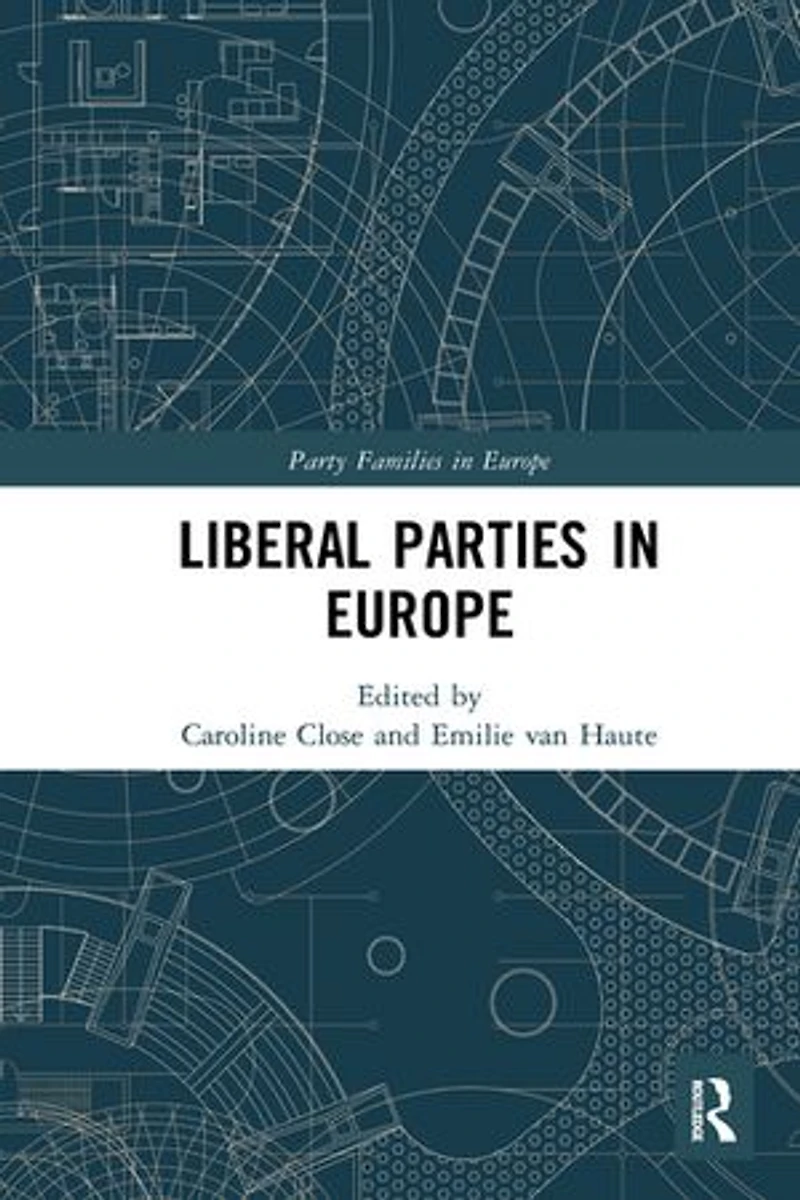
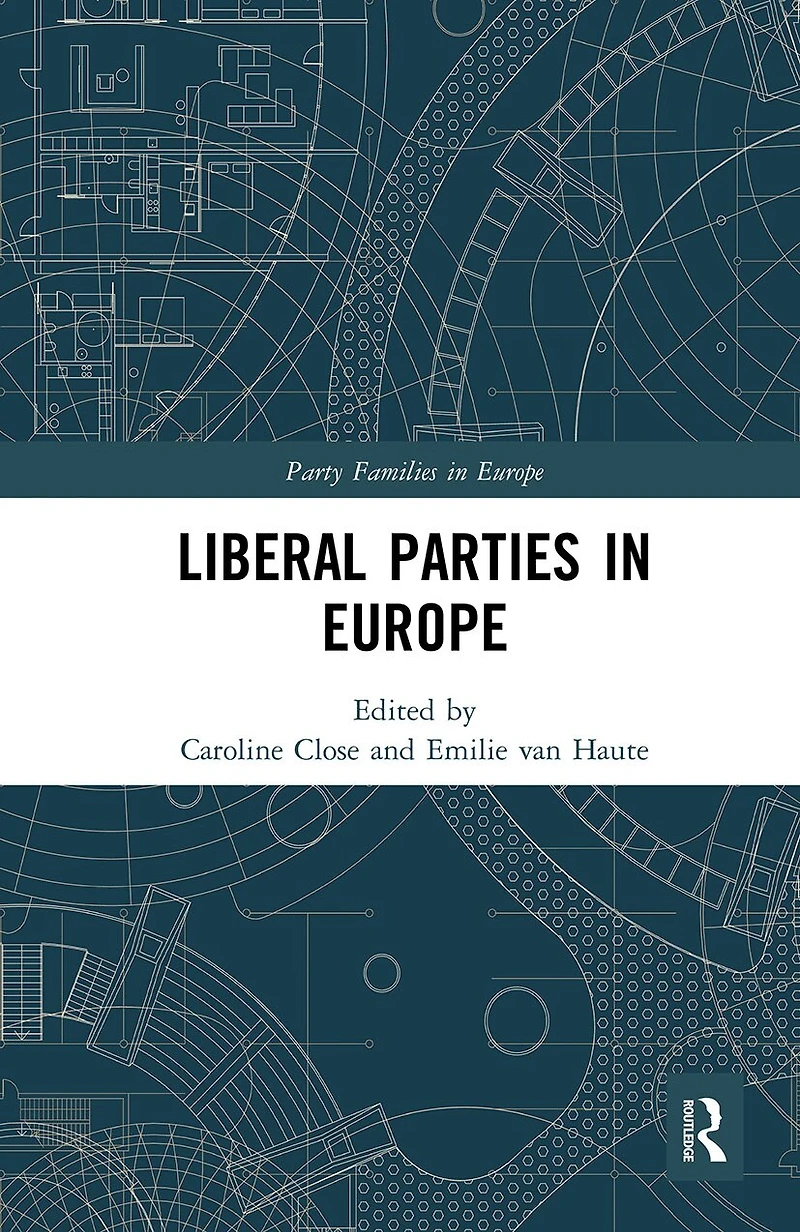
Liberal Parties Europe
Current price: $296.50

Liberal Parties Europe
Current price: $296.50
Loading Inventory...
Size: Hardcover
*Product information may vary - to confirm product availability, pricing, shipping and return information please contact Indigo
This book investigates how liberal parties have evolved over time as a party family, in a comparative perspective. Through a discussion of the applicability of the concept of party family to liberal parties, it gives a better picture of the development, challenges, and opportunities for liberal parties in Europe.
The history of liberal parties in Europe is peculiar and the origins of the liberal family are not clearly defined. Liberal parties are still quite heterogeneous given the various meanings embraced in the idea of liberalism, including economic liberalism, cultural liberalism, progressivism, social-liberalism. Bringing together the best specialists engaged in the study of liberal parties, and with a two-levels perspective (comparative and case study), this book renews and expands our knowledge on the liberal party family in Europe. Four major themes are developed, linked to the four approaches of the concept of party family: electoral performances, participation to power, ideology and political program, and party organization. These themes are systematically developed in case studies, and in comparative chapters.
Primarily aimed at scholars and students in comparative politics, this book should especially appeal to scholars in the fields of political parties and party systems, representation and elections, voting behavior, and public opinion.
This book investigates how liberal parties have evolved over time as a party family, in a comparative perspective. Through a discussion of the applicability of the concept of party family to liberal parties, it gives a better picture of the development, challenges, and opportunities for liberal parties in Europe.
The history of liberal parties in Europe is peculiar and the origins of the liberal family are not clearly defined. Liberal parties are still quite heterogeneous given the various meanings embraced in the idea of liberalism, including economic liberalism, cultural liberalism, progressivism, social-liberalism. Bringing together the best specialists engaged in the study of liberal parties, and with a two-levels perspective (comparative and case study), this book renews and expands our knowledge on the liberal party family in Europe. Four major themes are developed, linked to the four approaches of the concept of party family: electoral performances, participation to power, ideology and political program, and party organization. These themes are systematically developed in case studies, and in comparative chapters.
Primarily aimed at scholars and students in comparative politics, this book should especially appeal to scholars in the fields of political parties and party systems, representation and elections, voting behavior, and public opinion.
You May Also Like









More About Indigo at Erin Mills Town Centre
The largest book retailer in Canada also offers toys, music, home décor, gifts and lifestyle products. What's Inside...Books, Magazines, CD’s and DVD’s, Toys and Gifts, Home Accents, Electronics, Baby’s and Children’s Section, Bath and Body, Kitchen and Bedroom, Stationary Located outside in the exterior plaza.
5015 Glen Erin Dr, Mississauga, ON L5M 0R7, Canada
Find Indigo at Erin Mills Town Centre in Mississauga ON
Visit Indigo at Erin Mills Town Centre in Mississauga ON