

GIVE THE PERFECT GIFT
Erin Mills Town Centre Gift Cards are the perfect choice for your gift giving needs.Purchase gift cards at kiosks near the food court or centre court, at Guest Services, or click below to purchase online.PURCHASE HEREHome
Liberalism after the Revolution: Intellectual Foundations of Greek State, c. 1830–1880
Indigo
Loading Inventory...
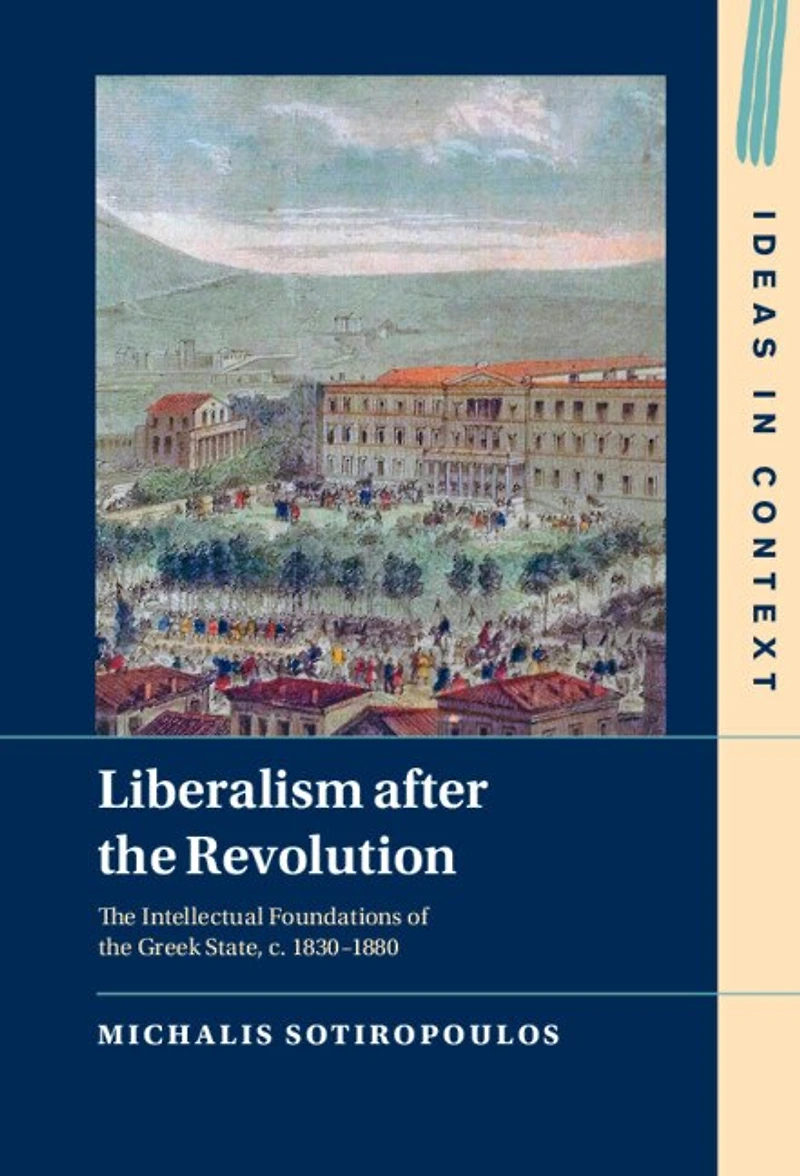
Liberalism after the Revolution: Intellectual Foundations of Greek State, c. 1830–1880
Current price: $127.95

Liberalism after the Revolution: Intellectual Foundations of Greek State, c. 1830–1880
Current price: $127.95
Loading Inventory...
Size: Hardcover
*Product information may vary - to confirm product availability, pricing, shipping and return information please contact Indigo
How is a new state built? To what ideas, concepts and practices do authorities turn to produce and legitimise its legal and political system? And what if the state emerged through revolution, and sought to obliterate the legacy of the empire which preceded it? This book addresses these questions by looking at nineteenth-century Greek liberalism and the ways in which it engaged in reforms in the Greek state after independence from the Ottomans (c. 1830-1880). Liberalism after the Revolution offers an original perspective on this dynamic period in European history, and challenges the assumptions of Western-centric histories of nineteenth-century liberalism, and its relationship with the state. Michalis Sotiropoulos shows that, in this European periphery, liberals did not just transform liberalism into a practical mode of statecraft, they preserved liberalism's radical edge at a time when it was losing its appeal elsewhere in Europe.
How is a new state built? To what ideas, concepts and practices do authorities turn to produce and legitimise its legal and political system? And what if the state emerged through revolution, and sought to obliterate the legacy of the empire which preceded it? This book addresses these questions by looking at nineteenth-century Greek liberalism and the ways in which it engaged in reforms in the Greek state after independence from the Ottomans (c. 1830-1880). Liberalism after the Revolution offers an original perspective on this dynamic period in European history, and challenges the assumptions of Western-centric histories of nineteenth-century liberalism, and its relationship with the state. Michalis Sotiropoulos shows that, in this European periphery, liberals did not just transform liberalism into a practical mode of statecraft, they preserved liberalism's radical edge at a time when it was losing its appeal elsewhere in Europe.
You May Also Like















More About Indigo at Erin Mills Town Centre
The largest book retailer in Canada also offers toys, music, home décor, gifts and lifestyle products. What's Inside...Books, Magazines, CD’s and DVD’s, Toys and Gifts, Home Accents, Electronics, Baby’s and Children’s Section, Bath and Body, Kitchen and Bedroom, Stationary Located outside in the exterior plaza.
5015 Glen Erin Dr, Mississauga, ON L5M 0R7, Canada
Find Indigo at Erin Mills Town Centre in Mississauga ON
Visit Indigo at Erin Mills Town Centre in Mississauga ON