

GIVE THE PERFECT GIFT
Erin Mills Town Centre Gift Cards are the perfect choice for your gift giving needs.Purchase gift cards at kiosks near the food court or centre court, at Guest Services, or click below to purchase online.PURCHASE HEREHome
Liberia: Human Rights
Indigo
Loading Inventory...
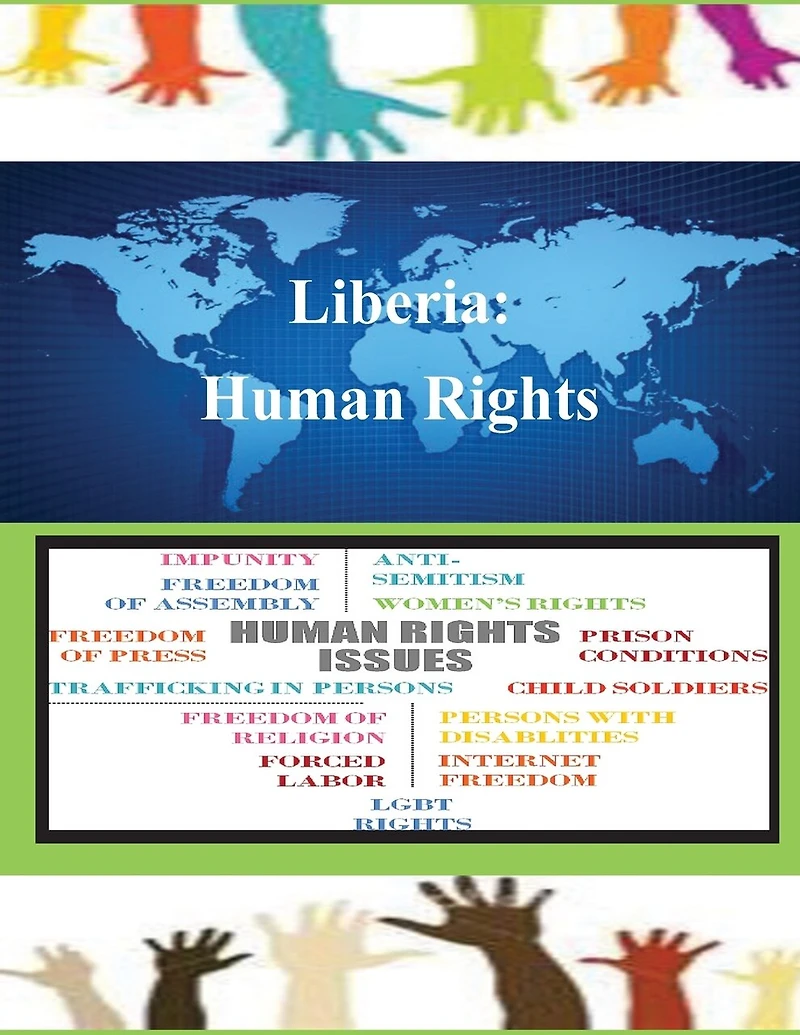
Liberia: Human Rights
Current price: $16.95

Liberia: Human Rights
Current price: $16.95
Loading Inventory...
Size: Paperback
*Product information may vary - to confirm product availability, pricing, shipping and return information please contact Indigo
Liberia is a constitutional republic with a bicameral National Assembly. In November 2011 Ellen Johnson Sirleaf of the Unity Party won a second term in multi-party presidential elections, which domestic and international observers considered generally free and fair. Authorities generally maintained effective control over the security forces. Security forces, however, committed human rights abuses. The most serious human rights abuses were those tied to a lack of justice: judicial inefficiency and corruption; lengthy pretrial detention; denial of due process; and harsh prison conditions. Violence against women and children, including rape and domestic violence, and child labor were also serious problems. Other important human rights abuses included police abuse, harassment, and intimidation of detainees and others; arbitrary arrest and detention; official corruption; human trafficking; racial and ethnic discrimination; discrimination against lesbian, gay, bisexual, and transgender (LGBT) persons; unlawful deprivation of life under customary law; mob killings; and ritualistic killings. Impunity remained a serious problem despite intermittent government attempts to prosecute and punish officials.
Liberia is a constitutional republic with a bicameral National Assembly. In November 2011 Ellen Johnson Sirleaf of the Unity Party won a second term in multi-party presidential elections, which domestic and international observers considered generally free and fair. Authorities generally maintained effective control over the security forces. Security forces, however, committed human rights abuses. The most serious human rights abuses were those tied to a lack of justice: judicial inefficiency and corruption; lengthy pretrial detention; denial of due process; and harsh prison conditions. Violence against women and children, including rape and domestic violence, and child labor were also serious problems. Other important human rights abuses included police abuse, harassment, and intimidation of detainees and others; arbitrary arrest and detention; official corruption; human trafficking; racial and ethnic discrimination; discrimination against lesbian, gay, bisexual, and transgender (LGBT) persons; unlawful deprivation of life under customary law; mob killings; and ritualistic killings. Impunity remained a serious problem despite intermittent government attempts to prosecute and punish officials.
You May Also Like







More About Indigo at Erin Mills Town Centre
The largest book retailer in Canada also offers toys, music, home décor, gifts and lifestyle products. What's Inside...Books, Magazines, CD’s and DVD’s, Toys and Gifts, Home Accents, Electronics, Baby’s and Children’s Section, Bath and Body, Kitchen and Bedroom, Stationary Located outside in the exterior plaza.
5015 Glen Erin Dr, Mississauga, ON L5M 0R7, Canada
Find Indigo at Erin Mills Town Centre in Mississauga ON
Visit Indigo at Erin Mills Town Centre in Mississauga ON