

GIVE THE PERFECT GIFT
Erin Mills Town Centre Gift Cards are the perfect choice for your gift giving needs.Purchase gift cards at kiosks near the food court or centre court, at Guest Services, or click below to purchase online.PURCHASE HEREHome
Life After Death: The Viola da Gamba Britain from Purcell to Dolmetsch
Indigo
Loading Inventory...
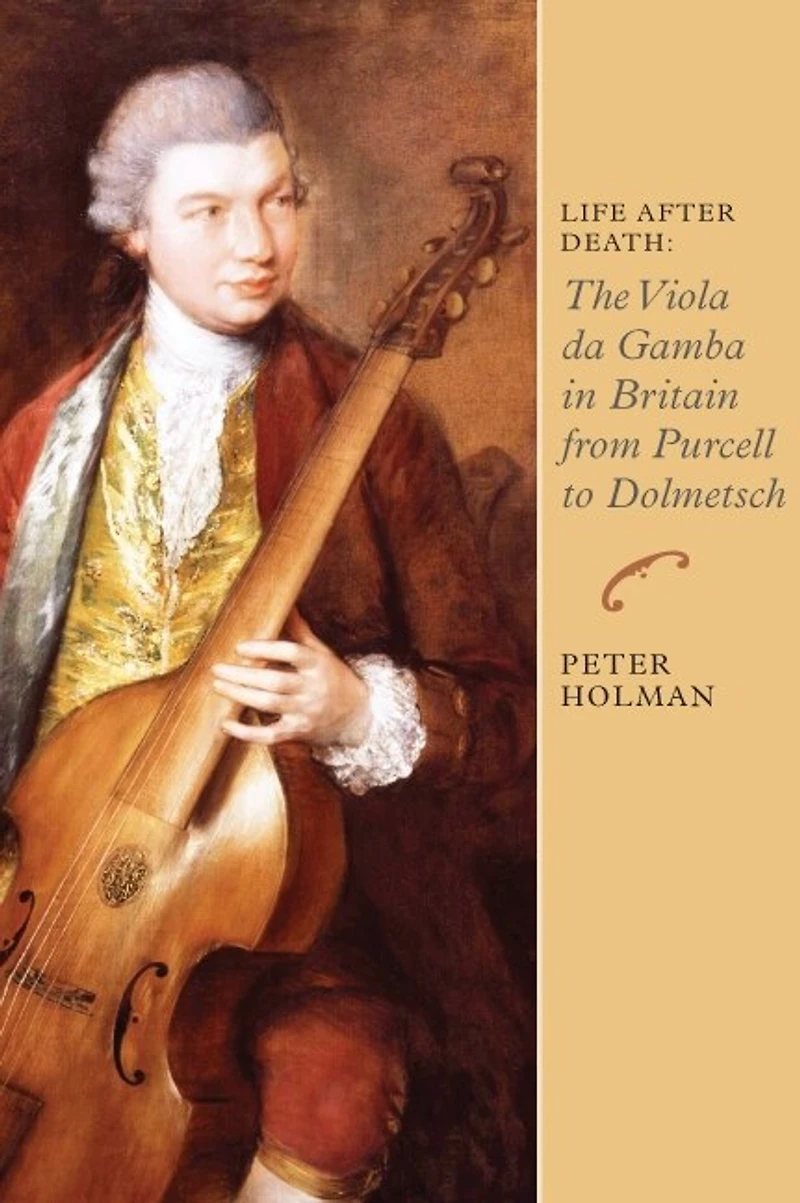
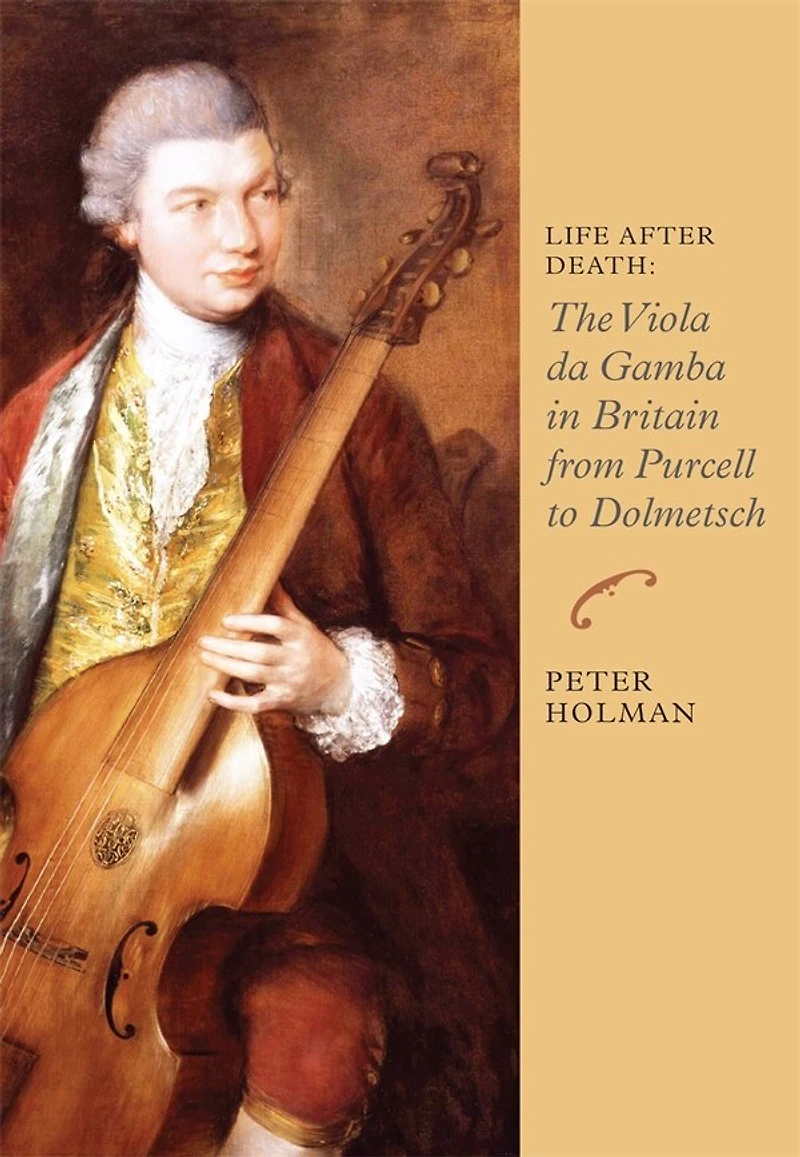
Life After Death: The Viola da Gamba Britain from Purcell to Dolmetsch
Current price: $248.90

Life After Death: The Viola da Gamba Britain from Purcell to Dolmetsch
Current price: $248.90
Loading Inventory...
Size: Hardcover
*Product information may vary - to confirm product availability, pricing, shipping and return information please contact Indigo
New research throws light on the history of the viol after Purcell, including its revival in the late eighteenth century through Charles Frederick Abel.
It is normally thought that the bass viol or viola da gamba dropped out of British musical life in the 1690s, and that Henry Purcell was the last composer to write for it. Peter Holman shows how the gamba changed its role and function in the Restoration period under the influence of foreign music and musicians; how it was played and composed for by the circle of immigrant musicians around Handel; how it was part of the fashion for exotic instruments in themiddle of the century; and how the presence in London of its greatest eighteenth-century exponent, Charles Frederick Abel, sparked off a revival in the 1760s and 70s.
Later chapters investigate the gamba's role as an emblem of sensibility among aristocrats, artists and intellectuals, including the Countess of Pembroke, Sir Edward Walpole, Ann Ford, Laurence Sterne, Thomas Gainsborough and Benjamin Franklin, and trace Abel's influence and legacy farinto the nineteenth century. A concluding chapter is concerned with its role in the developing early music movement, culminating with Arnold Dolmetsch's first London concerts with old instruments in 1890.
PETER HOLMAN is Professor Emeritus of Historical Musicology at Leeds University, and director of The Parley of Instruments, the choir Psalmody, and the Suffolk Villages Festival.
New research throws light on the history of the viol after Purcell, including its revival in the late eighteenth century through Charles Frederick Abel.
It is normally thought that the bass viol or viola da gamba dropped out of British musical life in the 1690s, and that Henry Purcell was the last composer to write for it. Peter Holman shows how the gamba changed its role and function in the Restoration period under the influence of foreign music and musicians; how it was played and composed for by the circle of immigrant musicians around Handel; how it was part of the fashion for exotic instruments in themiddle of the century; and how the presence in London of its greatest eighteenth-century exponent, Charles Frederick Abel, sparked off a revival in the 1760s and 70s.
Later chapters investigate the gamba's role as an emblem of sensibility among aristocrats, artists and intellectuals, including the Countess of Pembroke, Sir Edward Walpole, Ann Ford, Laurence Sterne, Thomas Gainsborough and Benjamin Franklin, and trace Abel's influence and legacy farinto the nineteenth century. A concluding chapter is concerned with its role in the developing early music movement, culminating with Arnold Dolmetsch's first London concerts with old instruments in 1890.
PETER HOLMAN is Professor Emeritus of Historical Musicology at Leeds University, and director of The Parley of Instruments, the choir Psalmody, and the Suffolk Villages Festival.
You May Also Like








More About Indigo at Erin Mills Town Centre
The largest book retailer in Canada also offers toys, music, home décor, gifts and lifestyle products. What's Inside...Books, Magazines, CD’s and DVD’s, Toys and Gifts, Home Accents, Electronics, Baby’s and Children’s Section, Bath and Body, Kitchen and Bedroom, Stationary Located outside in the exterior plaza.
5015 Glen Erin Dr, Mississauga, ON L5M 0R7, Canada
Find Indigo at Erin Mills Town Centre in Mississauga ON
Visit Indigo at Erin Mills Town Centre in Mississauga ON