

GIVE THE PERFECT GIFT
Erin Mills Town Centre Gift Cards are the perfect choice for your gift giving needs.Purchase gift cards at kiosks near the food court or centre court, at Guest Services, or click below to purchase online.PURCHASE HEREHome
Life Course, Work, and Labour in Global History
Indigo
Loading Inventory...
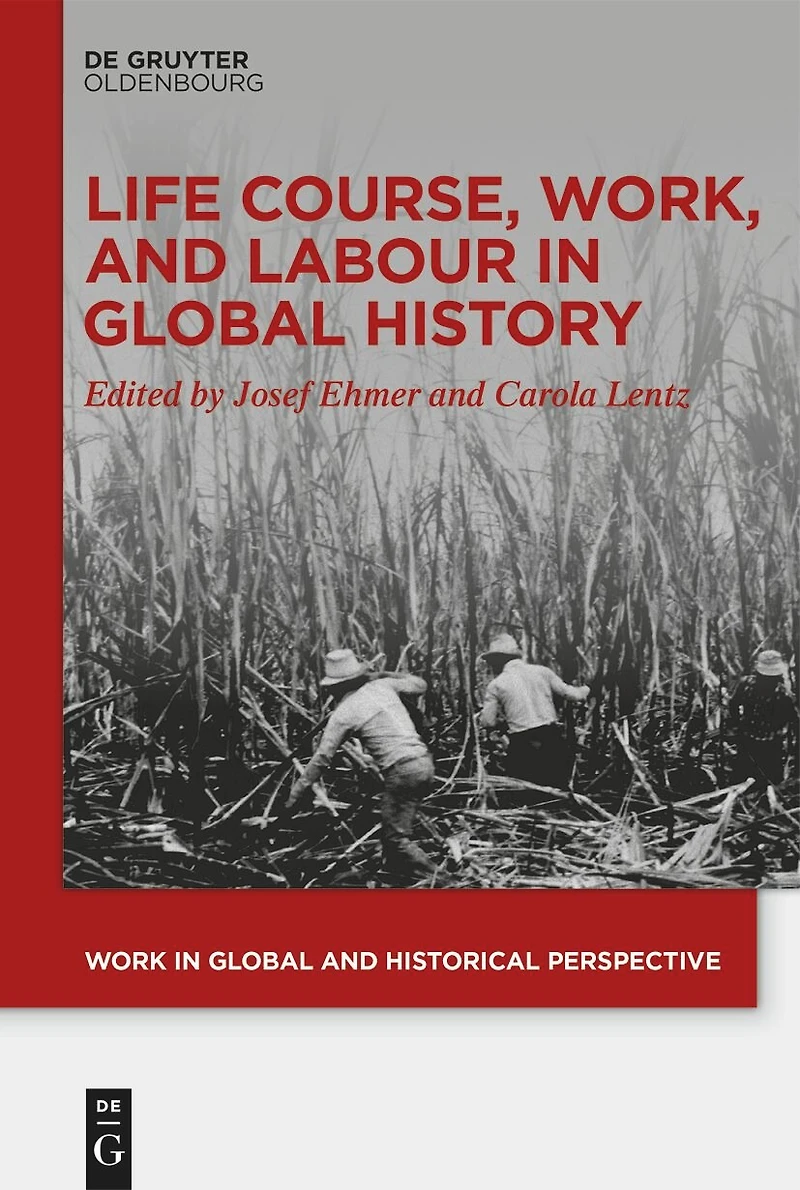
Life Course, Work, and Labour in Global History
Current price: $38.99

Life Course, Work, and Labour in Global History
Current price: $38.99
Loading Inventory...
Size: Hardcover
*Product information may vary - to confirm product availability, pricing, shipping and return information please contact Indigo
This multidisciplinary volume offers unique perspectives, across the globe and throughout the centuries, on the complexity of the nexus between work and the life course. For industrialized regions, from Germany and Western Europe to China and Japan, it questions the widespread notion of an overall growing working life course instability, since the 1970s. For unindustrialized or industrializing regions, from West Africa to state socialist East Central Europe, as well as for transnational and transcontinental labour migrations, it shows the enormous influence of the extended family and wider kin on individual pathways into and out of work. For early modern Europe, India, and China, and up to twentieth-century state socialism and to current welfare states, it stresses and concretizes the crucial impact of age and gender for both societal labour relations and individual work-related decision making. With all chapters based on original research, the volume reflects a close cooperation between historians, anthropologists, and sociologists. Its multidisciplinary approach finds expression in its methodological plurality, reaching from archival research and sophisticated statistical analyses to biographical interviews and participant observation. This mix allows to grasp the interaction between societal change and individual agency.
This multidisciplinary volume offers unique perspectives, across the globe and throughout the centuries, on the complexity of the nexus between work and the life course. For industrialized regions, from Germany and Western Europe to China and Japan, it questions the widespread notion of an overall growing working life course instability, since the 1970s. For unindustrialized or industrializing regions, from West Africa to state socialist East Central Europe, as well as for transnational and transcontinental labour migrations, it shows the enormous influence of the extended family and wider kin on individual pathways into and out of work. For early modern Europe, India, and China, and up to twentieth-century state socialism and to current welfare states, it stresses and concretizes the crucial impact of age and gender for both societal labour relations and individual work-related decision making. With all chapters based on original research, the volume reflects a close cooperation between historians, anthropologists, and sociologists. Its multidisciplinary approach finds expression in its methodological plurality, reaching from archival research and sophisticated statistical analyses to biographical interviews and participant observation. This mix allows to grasp the interaction between societal change and individual agency.
You May Also Like










More About Indigo at Erin Mills Town Centre
The largest book retailer in Canada also offers toys, music, home décor, gifts and lifestyle products. What's Inside...Books, Magazines, CD’s and DVD’s, Toys and Gifts, Home Accents, Electronics, Baby’s and Children’s Section, Bath and Body, Kitchen and Bedroom, Stationary Located outside in the exterior plaza.
5015 Glen Erin Dr, Mississauga, ON L5M 0R7, Canada
Find Indigo at Erin Mills Town Centre in Mississauga ON
Visit Indigo at Erin Mills Town Centre in Mississauga ON