

GIVE THE PERFECT GIFT
Erin Mills Town Centre Gift Cards are the perfect choice for your gift giving needs.Purchase gift cards at kiosks near the food court or centre court, at Guest Services, or click below to purchase online.PURCHASE HEREHome
Lignocellulosic Biomass Refining for Second Generation Biofuel Production
Indigo
Loading Inventory...
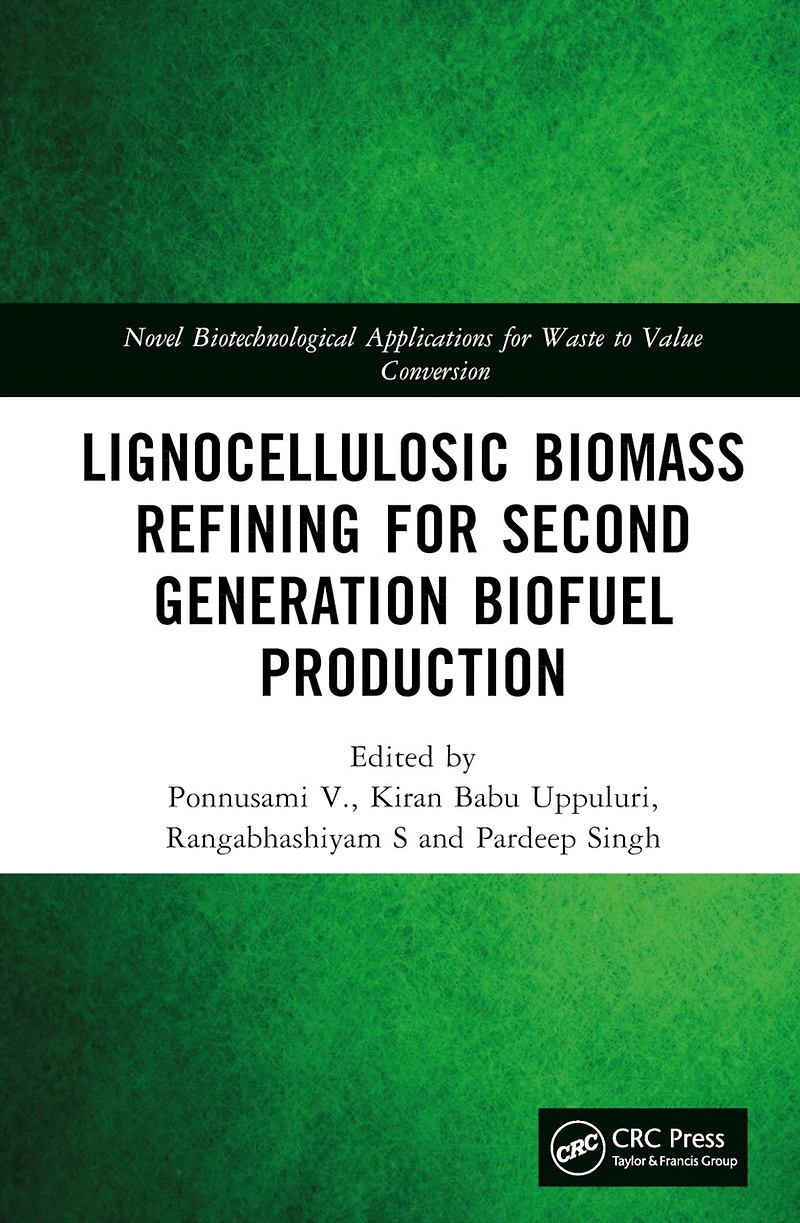
Lignocellulosic Biomass Refining for Second Generation Biofuel Production
Current price: $266.50

Lignocellulosic Biomass Refining for Second Generation Biofuel Production
Current price: $266.50
Loading Inventory...
Size: Hardcover
*Product information may vary - to confirm product availability, pricing, shipping and return information please contact Indigo
This book compiles research aspects of second-generation (2G) biofuel production derived specifically from lignocellulose biomass using biorefinery methods. It focuses on the valorization of different sources of 2G biofuels and their relative importance. The constituents of lignocelluloses and their potential characteristics different methods of treating lignocellulose, various means of lignocellulose bioconversion, and biofuel production strategies are discussed. Features:
Describes technological advancements for bioethanol production from lignocellulosic waste
Provides the roadmap for the production and utilization of 2G biofuels
Introduces the strategic role of metabolic engineering in the development of 2G biofuels
Discusses technological advancements, life cycle assessment, and prospects
Explores the novel potential lignocellulosic biomass for 2G biofuels
This book is aimed at researchers and professionals in renewable energy, biofuel, bioethanol, lignocellulose conversion, fermentation, and chemical engineering.
This book compiles research aspects of second-generation (2G) biofuel production derived specifically from lignocellulose biomass using biorefinery methods. It focuses on the valorization of different sources of 2G biofuels and their relative importance. The constituents of lignocelluloses and their potential characteristics different methods of treating lignocellulose, various means of lignocellulose bioconversion, and biofuel production strategies are discussed. Features:
Describes technological advancements for bioethanol production from lignocellulosic waste
Provides the roadmap for the production and utilization of 2G biofuels
Introduces the strategic role of metabolic engineering in the development of 2G biofuels
Discusses technological advancements, life cycle assessment, and prospects
Explores the novel potential lignocellulosic biomass for 2G biofuels
This book is aimed at researchers and professionals in renewable energy, biofuel, bioethanol, lignocellulose conversion, fermentation, and chemical engineering.
You May Also Like












More About Indigo at Erin Mills Town Centre
The largest book retailer in Canada also offers toys, music, home décor, gifts and lifestyle products. What's Inside...Books, Magazines, CD’s and DVD’s, Toys and Gifts, Home Accents, Electronics, Baby’s and Children’s Section, Bath and Body, Kitchen and Bedroom, Stationary Located outside in the exterior plaza.
5015 Glen Erin Dr, Mississauga, ON L5M 0R7, Canada
Find Indigo at Erin Mills Town Centre in Mississauga ON
Visit Indigo at Erin Mills Town Centre in Mississauga ON