

GIVE THE PERFECT GIFT
Erin Mills Town Centre Gift Cards are the perfect choice for your gift giving needs.Purchase gift cards at kiosks near the food court or centre court, at Guest Services, or click below to purchase online.PURCHASE HEREHome
Lignocellulosic Fibers: Sustainable Biomaterials For Green Composites
Indigo
Loading Inventory...
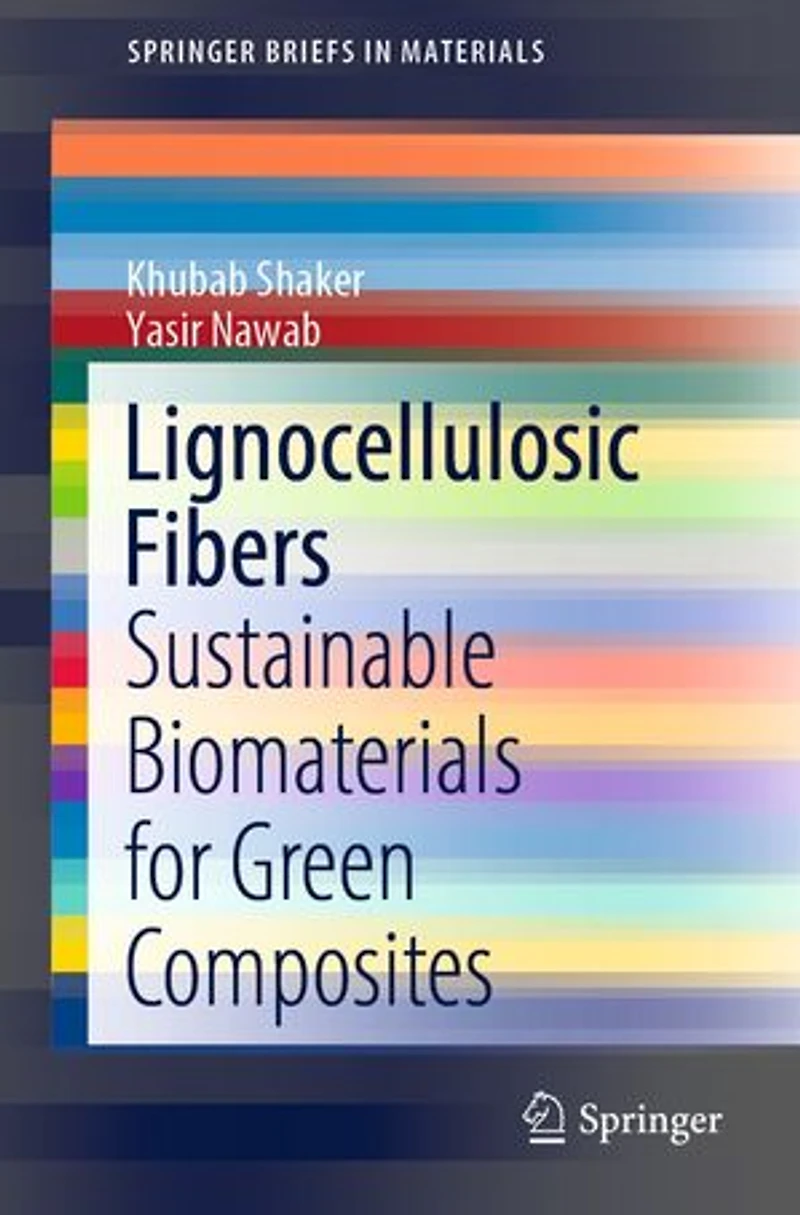
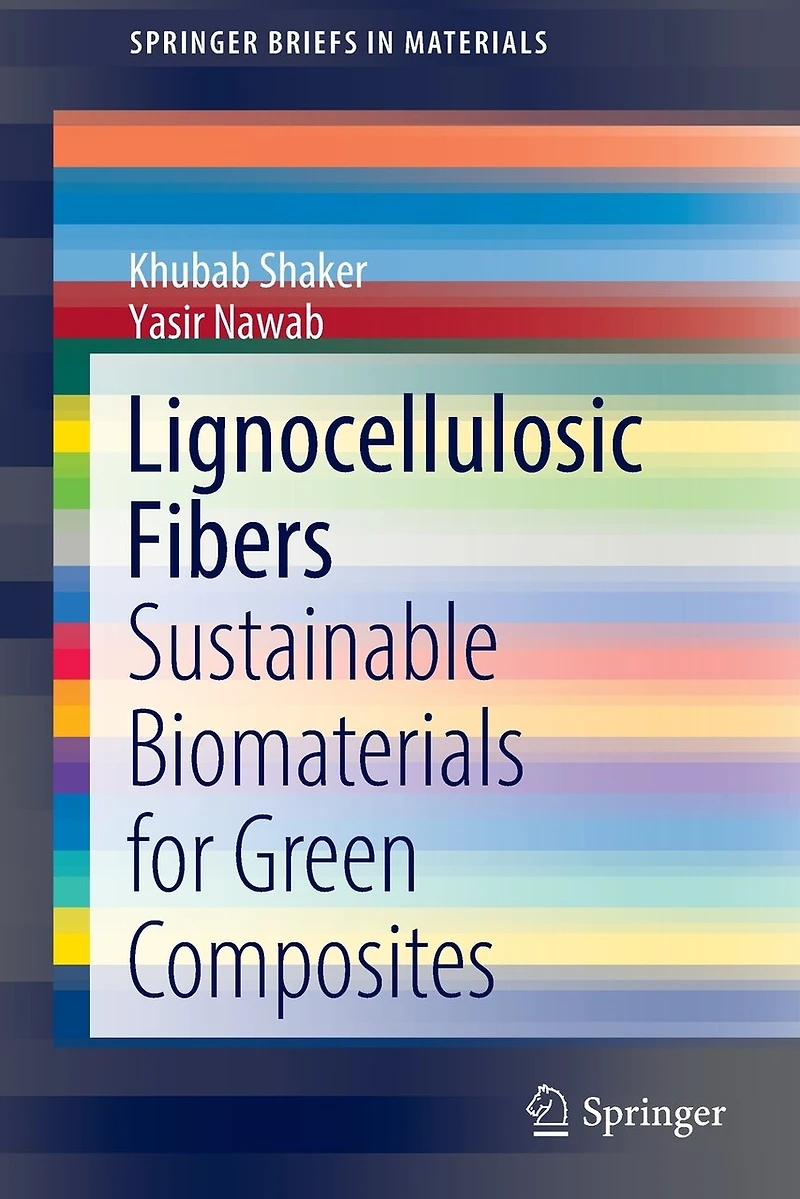
Lignocellulosic Fibers: Sustainable Biomaterials For Green Composites
Current price: $58.09
Original price: $72.55

Lignocellulosic Fibers: Sustainable Biomaterials For Green Composites
Current price: $58.09
Original price: $72.55
Loading Inventory...
Size: Kobo eBook
*Product information may vary - to confirm product availability, pricing, shipping and return information please contact Indigo
The book is primarily focused on natural plant (lignocellulosic) fibers as sustainable reinforcement material for green composites. It begins with a brief introduction to common plant-based reinforcements, their extraction techniques, the structure of plant fibers, and describes novel fibers extracted from fruit, seeds, leaf, bast, and agricultural waste. The book then focuses on the application of these fibers as reinforcements for composite materials, covering reinforcement and composite fabrication techniques, as well as their performance evaluation. Overall, the book provides a unique and comprehensive look at lignocellulosic fibers for use in green composites, appealing to both researchers in the area of sustainable materials and industry professionals and entrepreneurs interested in their utilization in value-added composite products.
The book is primarily focused on natural plant (lignocellulosic) fibers as sustainable reinforcement material for green composites. It begins with a brief introduction to common plant-based reinforcements, their extraction techniques, the structure of plant fibers, and describes novel fibers extracted from fruit, seeds, leaf, bast, and agricultural waste. The book then focuses on the application of these fibers as reinforcements for composite materials, covering reinforcement and composite fabrication techniques, as well as their performance evaluation. Overall, the book provides a unique and comprehensive look at lignocellulosic fibers for use in green composites, appealing to both researchers in the area of sustainable materials and industry professionals and entrepreneurs interested in their utilization in value-added composite products.
You May Also Like







More About Indigo at Erin Mills Town Centre
The largest book retailer in Canada also offers toys, music, home décor, gifts and lifestyle products. What's Inside...Books, Magazines, CD’s and DVD’s, Toys and Gifts, Home Accents, Electronics, Baby’s and Children’s Section, Bath and Body, Kitchen and Bedroom, Stationary Located outside in the exterior plaza.
5015 Glen Erin Dr, Mississauga, ON L5M 0R7, Canada
Find Indigo at Erin Mills Town Centre in Mississauga ON
Visit Indigo at Erin Mills Town Centre in Mississauga ON