

GIVE THE PERFECT GIFT
Erin Mills Town Centre Gift Cards are the perfect choice for your gift giving needs.Purchase gift cards at kiosks near the food court or centre court, at Guest Services, or click below to purchase online.PURCHASE HEREHome
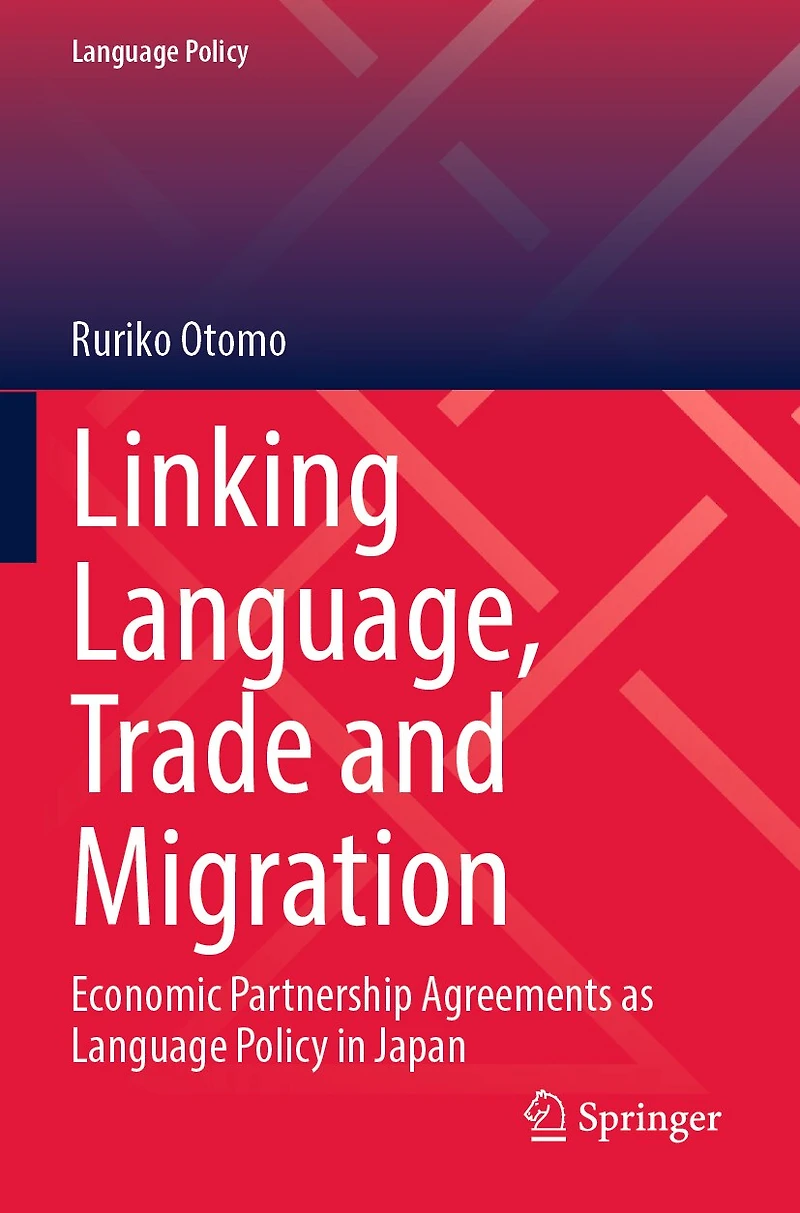
Linking Language, Trade and Migration: Economic Partnership Agreements as Language Policy in Japan
Indigo
Loading Inventory...
Linking Language, Trade and Migration: Economic Partnership Agreements as Language Policy in Japan
Current price: $175.50

Linking Language, Trade and Migration: Economic Partnership Agreements as Language Policy in Japan
Current price: $175.50
Loading Inventory...
Size: Paperback
*Product information may vary - to confirm product availability, pricing, shipping and return information please contact Indigo
This book examines the effect of trade policy on language which represents an underrecognized area in the field of language policy and planning. It argues that trade policies like Japan's Economic Partnership Agreements (EPAs) have important consequences for national language (education) policies and for discourses about language and nation. Since 2008, Japan has signed the EPAs with Indonesia, the Philippines and Vietnam to recruit migrant nurses and eldercare workers and manage their mobility by means of pre-employment language training and the Japanese-medium licensure examinations. Through the analysis of these language management devices, this book demonstrates that the EPAs are a manifestation and representation of contemporary language issues intertwined particularly with pressing issues of Japan's social aging and demographic change. As the EPAs are intertwined with welfare, economy, social cohesion, and international political and economic relations and competitiveness, the book presents a far more complex picture of and a richer potential of language policy.
This book examines the effect of trade policy on language which represents an underrecognized area in the field of language policy and planning. It argues that trade policies like Japan's Economic Partnership Agreements (EPAs) have important consequences for national language (education) policies and for discourses about language and nation. Since 2008, Japan has signed the EPAs with Indonesia, the Philippines and Vietnam to recruit migrant nurses and eldercare workers and manage their mobility by means of pre-employment language training and the Japanese-medium licensure examinations. Through the analysis of these language management devices, this book demonstrates that the EPAs are a manifestation and representation of contemporary language issues intertwined particularly with pressing issues of Japan's social aging and demographic change. As the EPAs are intertwined with welfare, economy, social cohesion, and international political and economic relations and competitiveness, the book presents a far more complex picture of and a richer potential of language policy.
You May Also Like









More About Indigo at Erin Mills Town Centre
The largest book retailer in Canada also offers toys, music, home décor, gifts and lifestyle products. What's Inside...Books, Magazines, CD’s and DVD’s, Toys and Gifts, Home Accents, Electronics, Baby’s and Children’s Section, Bath and Body, Kitchen and Bedroom, Stationary Located outside in the exterior plaza.
5015 Glen Erin Dr, Mississauga, ON L5M 0R7, Canada
Find Indigo at Erin Mills Town Centre in Mississauga ON
Visit Indigo at Erin Mills Town Centre in Mississauga ON