

GIVE THE PERFECT GIFT
Erin Mills Town Centre Gift Cards are the perfect choice for your gift giving needs.Purchase gift cards at kiosks near the food court or centre court, at Guest Services, or click below to purchase online.PURCHASE HEREHome
Liturgy and Architecture: From the Early Church to Middle Ages
Indigo
Loading Inventory...
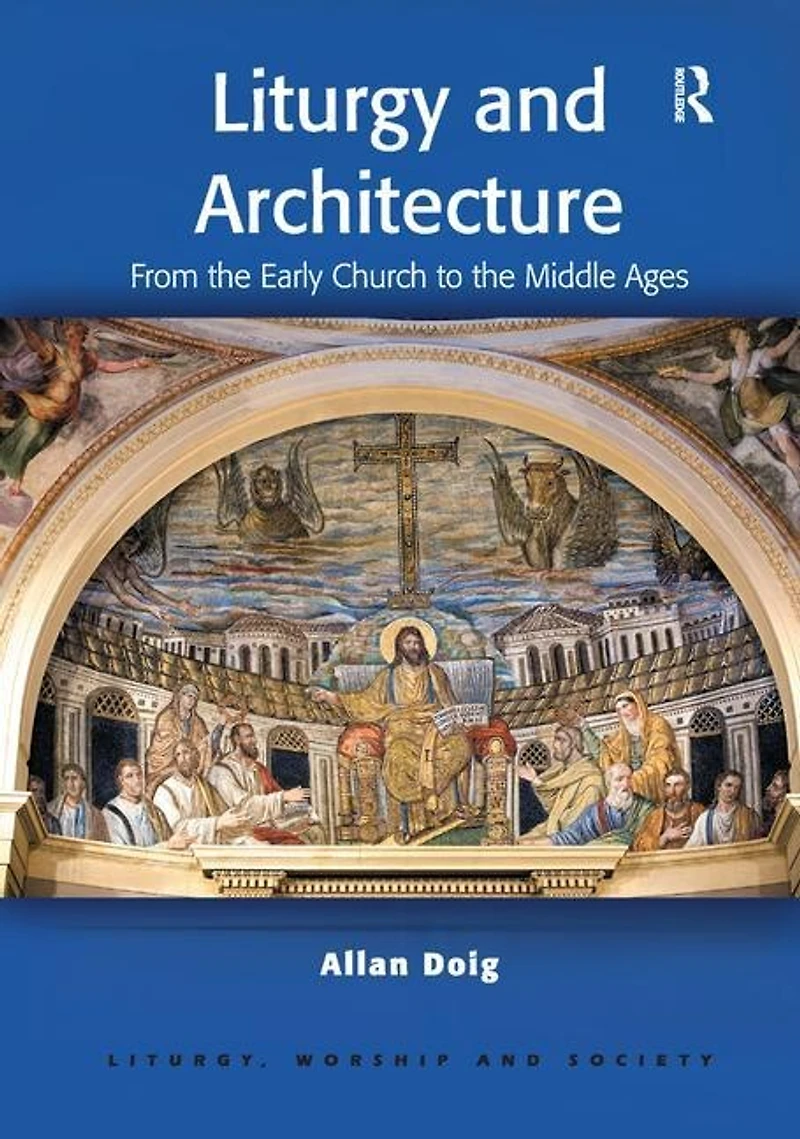
Liturgy and Architecture: From the Early Church to Middle Ages
Current price: $392.50

Liturgy and Architecture: From the Early Church to Middle Ages
Current price: $392.50
Loading Inventory...
Size: Hardcover
*Product information may vary - to confirm product availability, pricing, shipping and return information please contact Indigo
In this book Allan Doig explores the interrelationship of liturgy and architecture from the Early Church to the close of the Middle Ages, taking into account social, economic, technical, theological and artistic factors. These are crucial to a proper understanding of ecclesiastical architecture of all periods, and together their study illuminates the study of liturgy. Buildings and their archaeology are standing indices of human activity, and the whole matrix of meaning they present is highly revealing of the larger meaning of ritual performance within, and movement through, their space. The excavation of the mid-third-century church at Dura Europos in the Syrian desert, the grandeur of Constantine's Imperial basilicas, the influence of the great pilgrimage sites, and the marvels of soaring Gothic cathedrals, all come alive in a new way when the space is animated by the liturgy for which they were built. Reviewing the most recent research in the area, and moving the debate forward, this study will be useful to liturgists, clergy, theologians, art and architectural historians, and those interested in the conservation of ecclesiastical structures built for the liturgy.
In this book Allan Doig explores the interrelationship of liturgy and architecture from the Early Church to the close of the Middle Ages, taking into account social, economic, technical, theological and artistic factors. These are crucial to a proper understanding of ecclesiastical architecture of all periods, and together their study illuminates the study of liturgy. Buildings and their archaeology are standing indices of human activity, and the whole matrix of meaning they present is highly revealing of the larger meaning of ritual performance within, and movement through, their space. The excavation of the mid-third-century church at Dura Europos in the Syrian desert, the grandeur of Constantine's Imperial basilicas, the influence of the great pilgrimage sites, and the marvels of soaring Gothic cathedrals, all come alive in a new way when the space is animated by the liturgy for which they were built. Reviewing the most recent research in the area, and moving the debate forward, this study will be useful to liturgists, clergy, theologians, art and architectural historians, and those interested in the conservation of ecclesiastical structures built for the liturgy.
You May Also Like








More About Indigo at Erin Mills Town Centre
The largest book retailer in Canada also offers toys, music, home décor, gifts and lifestyle products. What's Inside...Books, Magazines, CD’s and DVD’s, Toys and Gifts, Home Accents, Electronics, Baby’s and Children’s Section, Bath and Body, Kitchen and Bedroom, Stationary Located outside in the exterior plaza.
5015 Glen Erin Dr, Mississauga, ON L5M 0R7, Canada
Find Indigo at Erin Mills Town Centre in Mississauga ON
Visit Indigo at Erin Mills Town Centre in Mississauga ON