

GIVE THE PERFECT GIFT
Erin Mills Town Centre Gift Cards are the perfect choice for your gift giving needs.Purchase gift cards at kiosks near the food court or centre court, at Guest Services, or click below to purchase online.PURCHASE HEREHome
Living Liturgically: The Sanctification of Time
Indigo
Loading Inventory...
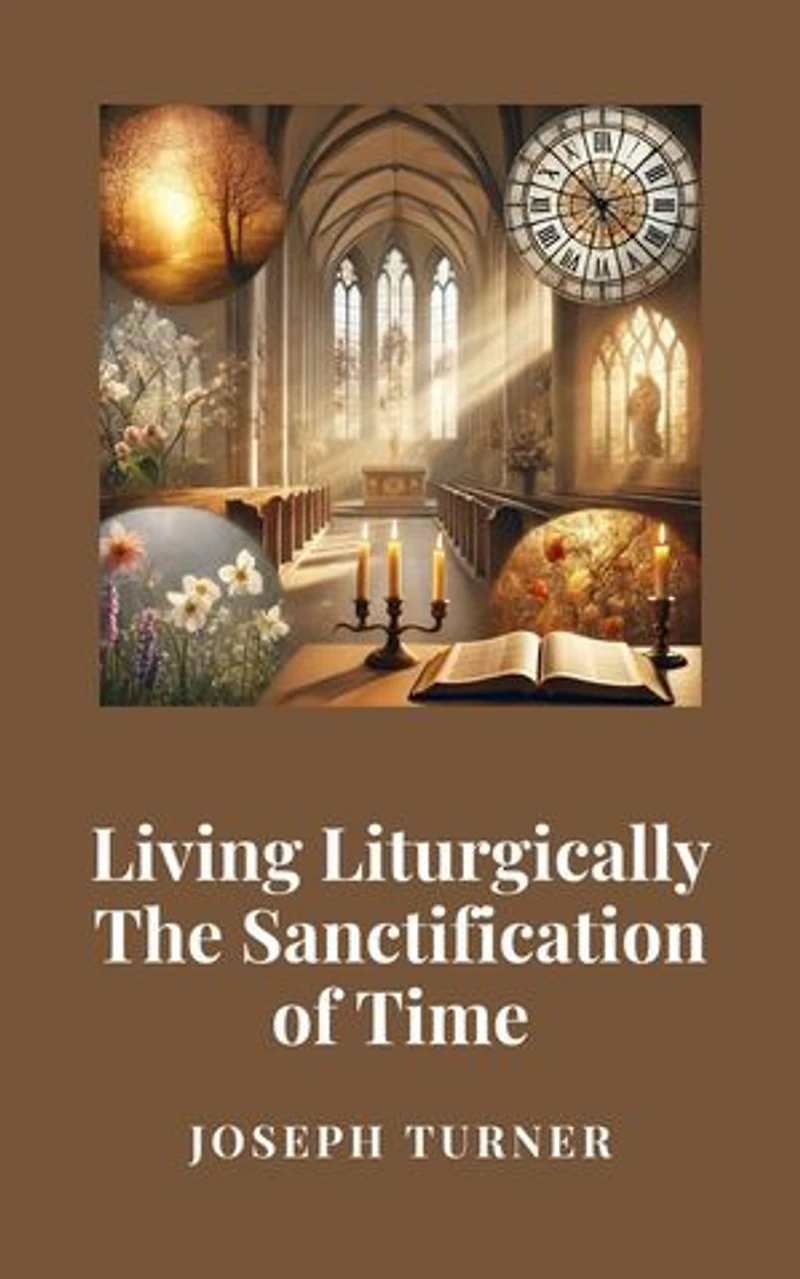
Living Liturgically: The Sanctification of Time
Current price: $4.99

Living Liturgically: The Sanctification of Time
Current price: $4.99
Loading Inventory...
Size: Kobo eBook
*Product information may vary - to confirm product availability, pricing, shipping and return information please contact Indigo
The very bedrock of liturgical living rests upon a profound understanding of time, not as a mere sequence of moments, but as a divine gift, a canvas upon which God paints His salvific narrative. To grasp this, we must journey back to the very dawn of creation, as recounted in the opening verses of Genesis. "In the beginning, God created the heavens and the earth." This "beginning" is not simply a temporal marker; it is the genesis of time itself, a moment where eternity intersected with non-being, where God, through His word, brought forth the temporal order. The very structure of the Genesis narrative, with its rhythmic repetition of "and God saw that it was good," establishes a divine cadence, a cyclical pattern that foreshadows the liturgical rhythms we are called to embrace. This creation of time is not a neutral act; it is an act of love, a bestowal of a precious gift upon humanity.
To fully appreciate the Christian liturgical calendar, one must delve into its profound roots within the sacred timekeeping of ancient Israel. The Old Testament is replete with examples of how God instructed His chosen people to mark time, not as a secular progression, but as a series of holy convocations, designed to draw them closer to Him. The very concept of a "sacred calendar" is itself a testament to God's desire to intersect with human history, to infuse temporal existence with eternal significance.
The very bedrock of liturgical living rests upon a profound understanding of time, not as a mere sequence of moments, but as a divine gift, a canvas upon which God paints His salvific narrative. To grasp this, we must journey back to the very dawn of creation, as recounted in the opening verses of Genesis. "In the beginning, God created the heavens and the earth." This "beginning" is not simply a temporal marker; it is the genesis of time itself, a moment where eternity intersected with non-being, where God, through His word, brought forth the temporal order. The very structure of the Genesis narrative, with its rhythmic repetition of "and God saw that it was good," establishes a divine cadence, a cyclical pattern that foreshadows the liturgical rhythms we are called to embrace. This creation of time is not a neutral act; it is an act of love, a bestowal of a precious gift upon humanity.
To fully appreciate the Christian liturgical calendar, one must delve into its profound roots within the sacred timekeeping of ancient Israel. The Old Testament is replete with examples of how God instructed His chosen people to mark time, not as a secular progression, but as a series of holy convocations, designed to draw them closer to Him. The very concept of a "sacred calendar" is itself a testament to God's desire to intersect with human history, to infuse temporal existence with eternal significance.
You May Also Like















More About Indigo at Erin Mills Town Centre
The largest book retailer in Canada also offers toys, music, home décor, gifts and lifestyle products. What's Inside...Books, Magazines, CD’s and DVD’s, Toys and Gifts, Home Accents, Electronics, Baby’s and Children’s Section, Bath and Body, Kitchen and Bedroom, Stationary Located outside in the exterior plaza.
5015 Glen Erin Dr, Mississauga, ON L5M 0R7, Canada
Find Indigo at Erin Mills Town Centre in Mississauga ON
Visit Indigo at Erin Mills Town Centre in Mississauga ON