

GIVE THE PERFECT GIFT
Erin Mills Town Centre Gift Cards are the perfect choice for your gift giving needs.Purchase gift cards at kiosks near the food court or centre court, at Guest Services, or click below to purchase online.PURCHASE HEREHome
Living with Palladio in the Sixteenth Century
Indigo
Loading Inventory...
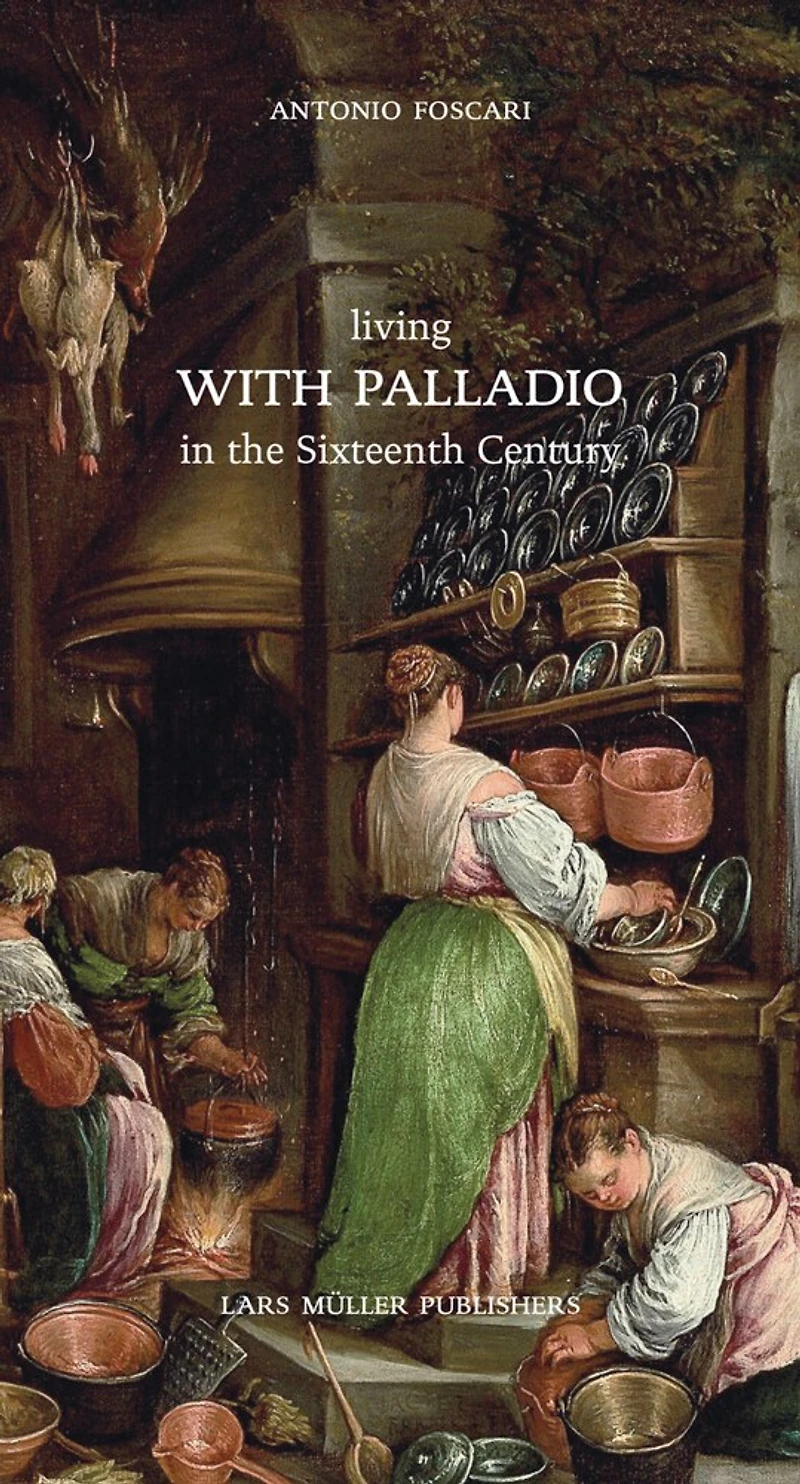
Living with Palladio in the Sixteenth Century
Current price: $45.00

Living with Palladio in the Sixteenth Century
Current price: $45.00
Loading Inventory...
Size: Hardcover
*Product information may vary - to confirm product availability, pricing, shipping and return information please contact Indigo
Hierarchies of the household: how Palladio composed his iconic villas for collective living Visiting the villas of Renaissance architect Andrea Palladio (1508-80), one inevitably asks oneself how people actually occupied them. Palladio conceived his villas as “small towns” ( piccole citt ) that formed a single unit with adjacent service buildings and farm fields. Within their walls lived people of all ages, social backgrounds and skills. These buildings were the venue for significant moments of public life, and the principles of hygiene, privacy and comfort, which we consider so defining and essential today, did not apply—in a sense furniture as such did not exist.
Living with Palladio in the Sixteenth Century investigates how Palladio’s houses, their floors, rooms and measurements, were designed to structure the life of such a heterogeneous family of people. It analyses their hierarchical structure with the owner ( padrone ) at the top and everyone involved in the everyday running of the household ( famiglia minuta ) at the bottom. This book fills a decisive gap in research literature on the famous Italian architect by looking at how Palladio prioritized the domestic functions of his private buildings.
Hierarchies of the household: how Palladio composed his iconic villas for collective living Visiting the villas of Renaissance architect Andrea Palladio (1508-80), one inevitably asks oneself how people actually occupied them. Palladio conceived his villas as “small towns” ( piccole citt ) that formed a single unit with adjacent service buildings and farm fields. Within their walls lived people of all ages, social backgrounds and skills. These buildings were the venue for significant moments of public life, and the principles of hygiene, privacy and comfort, which we consider so defining and essential today, did not apply—in a sense furniture as such did not exist.
Living with Palladio in the Sixteenth Century investigates how Palladio’s houses, their floors, rooms and measurements, were designed to structure the life of such a heterogeneous family of people. It analyses their hierarchical structure with the owner ( padrone ) at the top and everyone involved in the everyday running of the household ( famiglia minuta ) at the bottom. This book fills a decisive gap in research literature on the famous Italian architect by looking at how Palladio prioritized the domestic functions of his private buildings.
You May Also Like








More About Indigo at Erin Mills Town Centre
The largest book retailer in Canada also offers toys, music, home décor, gifts and lifestyle products. What's Inside...Books, Magazines, CD’s and DVD’s, Toys and Gifts, Home Accents, Electronics, Baby’s and Children’s Section, Bath and Body, Kitchen and Bedroom, Stationary Located outside in the exterior plaza.
5015 Glen Erin Dr, Mississauga, ON L5M 0R7, Canada
Find Indigo at Erin Mills Town Centre in Mississauga ON
Visit Indigo at Erin Mills Town Centre in Mississauga ON