

GIVE THE PERFECT GIFT
Erin Mills Town Centre Gift Cards are the perfect choice for your gift giving needs.Purchase gift cards at kiosks near the food court or centre court, at Guest Services, or click below to purchase online.PURCHASE HEREHome
Localising Salafism: Religious Change among Oromo Muslims in Bale, Ethiopia
Indigo
Loading Inventory...
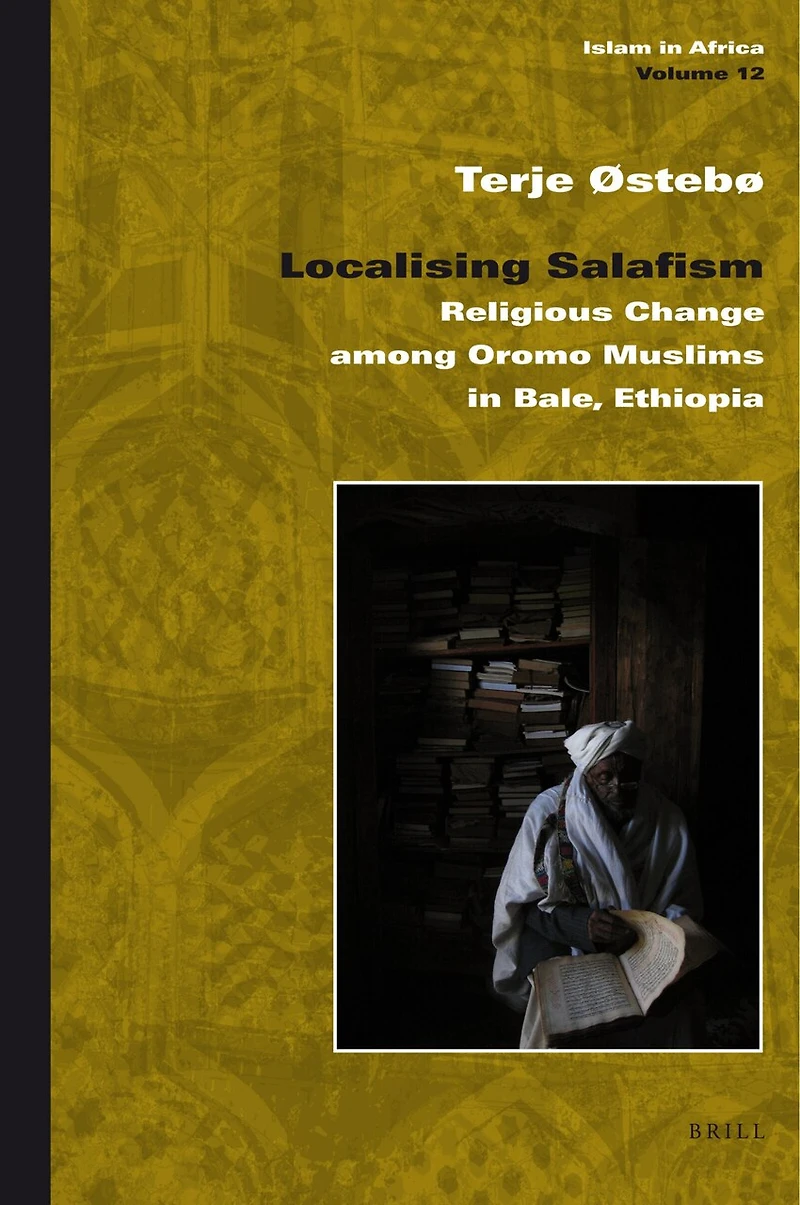
Localising Salafism: Religious Change among Oromo Muslims in Bale, Ethiopia
Current price: $290.99

Localising Salafism: Religious Change among Oromo Muslims in Bale, Ethiopia
Current price: $290.99
Loading Inventory...
Size: Hardcover
*Product information may vary - to confirm product availability, pricing, shipping and return information please contact Indigo
The political transition in 1991 and the new regime’s policy towards the ethnic and religious diversity in Ethiopia have contributed to increased activities from various Islamic reform movements. Among these, we find the Salafi movement which expanded rapidly throughout the 1990s, particularly in the Oromo-speaking south-eastern parts of the country. This book sheds light on the emergence and expansion of Salafism in Bale. Focusing on the diversified body of situated actors and their role in the process of religious change, it discusses the early arrival of Salafism in the late 1960s, follows it through the Marxist period (1974-1991) before discussing the rapid expansion of the movement in the 1990s. The movement’s dynamics and the controversies emerging as a result of the reforms are discussed, particularly with reference to different understandings of sources for religious knowledge and the role of Islamic literacy.
The political transition in 1991 and the new regime’s policy towards the ethnic and religious diversity in Ethiopia have contributed to increased activities from various Islamic reform movements. Among these, we find the Salafi movement which expanded rapidly throughout the 1990s, particularly in the Oromo-speaking south-eastern parts of the country. This book sheds light on the emergence and expansion of Salafism in Bale. Focusing on the diversified body of situated actors and their role in the process of religious change, it discusses the early arrival of Salafism in the late 1960s, follows it through the Marxist period (1974-1991) before discussing the rapid expansion of the movement in the 1990s. The movement’s dynamics and the controversies emerging as a result of the reforms are discussed, particularly with reference to different understandings of sources for religious knowledge and the role of Islamic literacy.
You May Also Like







More About Indigo at Erin Mills Town Centre
The largest book retailer in Canada also offers toys, music, home décor, gifts and lifestyle products. What's Inside...Books, Magazines, CD’s and DVD’s, Toys and Gifts, Home Accents, Electronics, Baby’s and Children’s Section, Bath and Body, Kitchen and Bedroom, Stationary Located outside in the exterior plaza.
5015 Glen Erin Dr, Mississauga, ON L5M 0R7, Canada
Find Indigo at Erin Mills Town Centre in Mississauga ON
Visit Indigo at Erin Mills Town Centre in Mississauga ON