

GIVE THE PERFECT GIFT
Erin Mills Town Centre Gift Cards are the perfect choice for your gift giving needs.Purchase gift cards at kiosks near the food court or centre court, at Guest Services, or click below to purchase online.PURCHASE HEREHome
Lock-in Thermography: Basics And Use For Evaluating Electronic Devices Materials
Indigo
Loading Inventory...
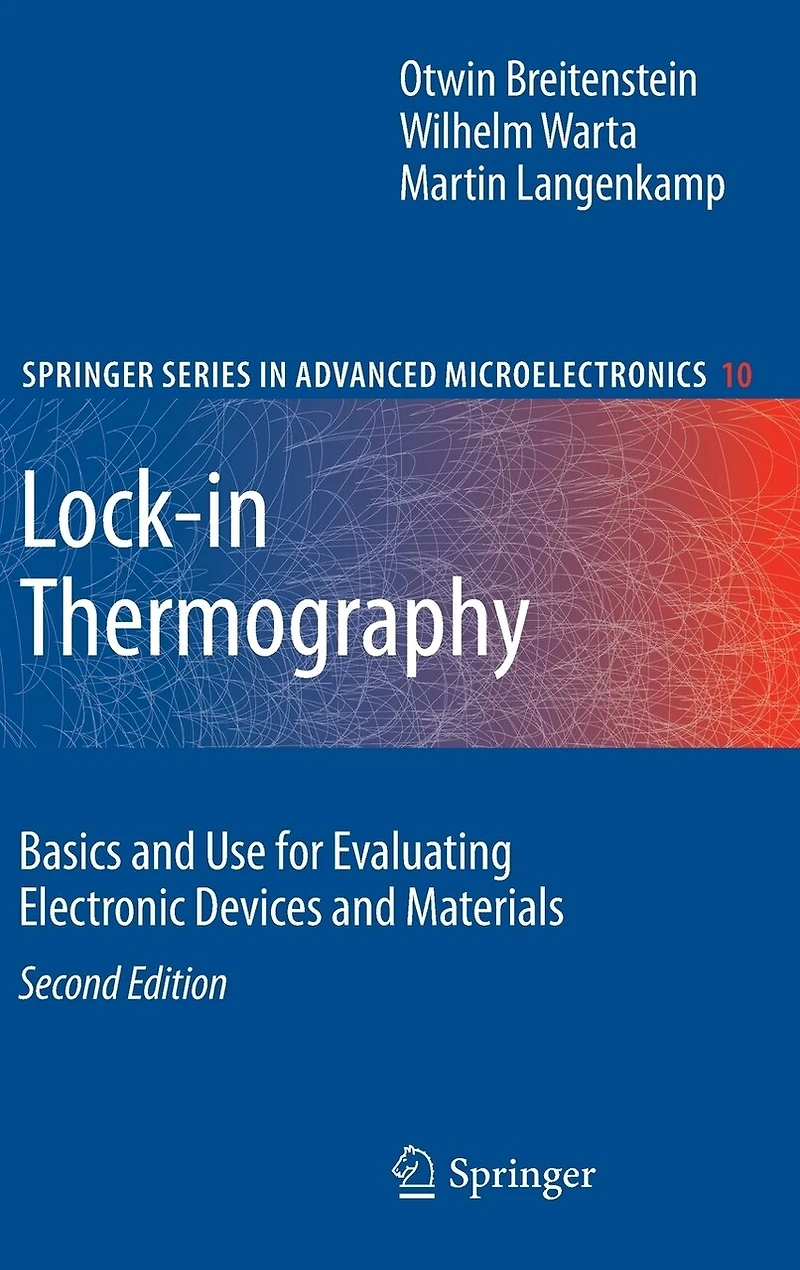
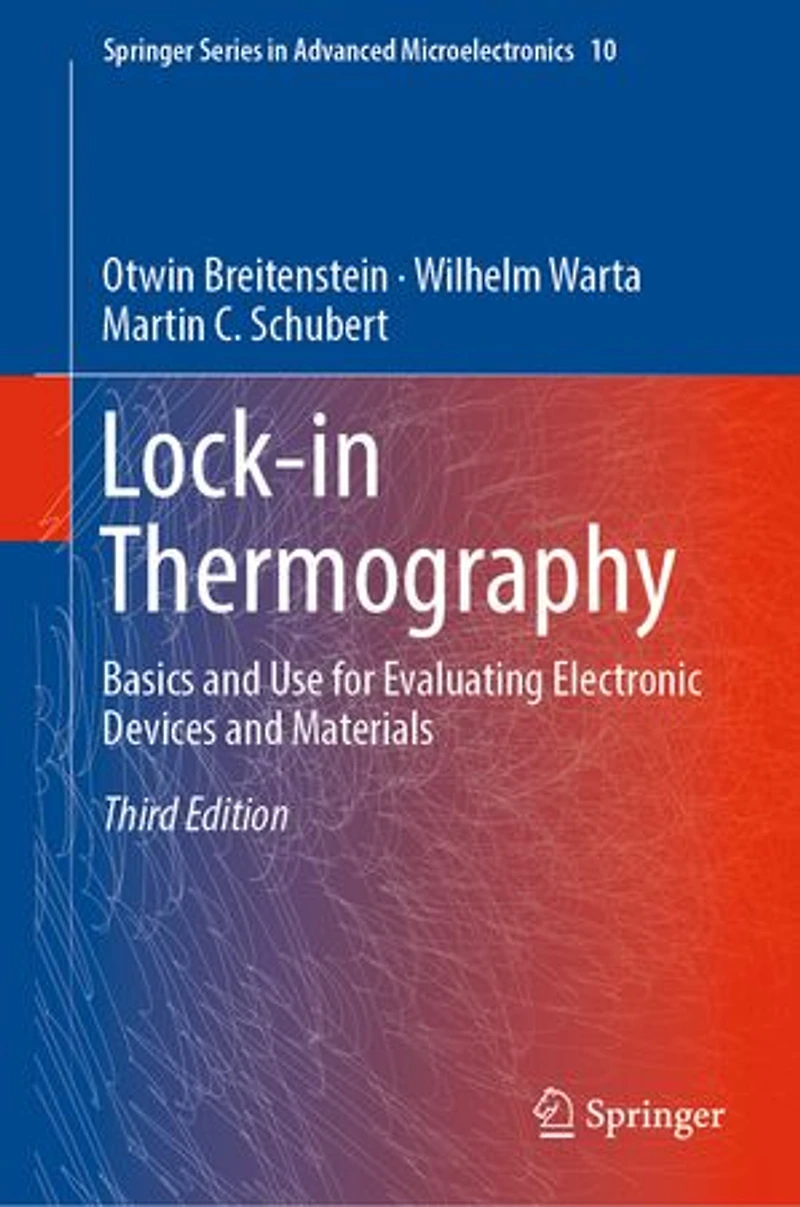
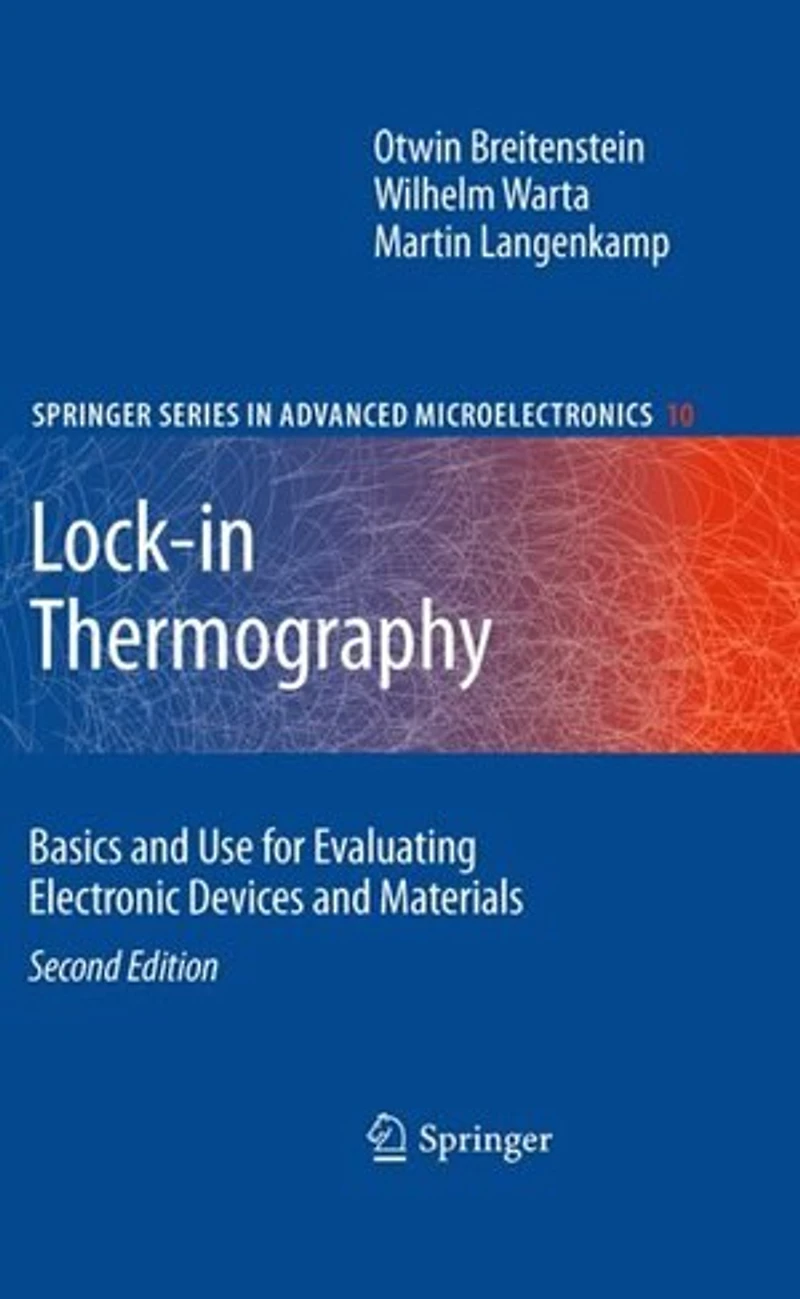
Lock-in Thermography: Basics And Use For Evaluating Electronic Devices Materials
Current price: $160.95

Lock-in Thermography: Basics And Use For Evaluating Electronic Devices Materials
Current price: $160.95
Loading Inventory...
Size: Hardcover (2025)
*Product information may vary - to confirm product availability, pricing, shipping and return information please contact Indigo
This book discusses lock-in thermography (LIT) as a dynamic variant of the widely known IR thermography. It focuses on applications to electronic devices and materials, but also includes chapters addressing non-destructive evaluation. Periodically modulating heat sources allows a much-improved signal-to-noise ratio (up to 1000x) and a far better lateral resolution compared to steady-state thermography. Reviewing various experimental approaches to LIT, particularly the commercial LIT systems available, this 3rd edition introduces new LIT applications, such as illuminated LIT applied to solar cells, non-thermal LIT lifetime mapping and LIT application to spin caloritronics problems. Numerous LIT investigation case studies are also included.
This book discusses lock-in thermography (LIT) as a dynamic variant of the widely known IR thermography. It focuses on applications to electronic devices and materials, but also includes chapters addressing non-destructive evaluation. Periodically modulating heat sources allows a much-improved signal-to-noise ratio (up to 1000x) and a far better lateral resolution compared to steady-state thermography. Reviewing various experimental approaches to LIT, particularly the commercial LIT systems available, this 3rd edition introduces new LIT applications, such as illuminated LIT applied to solar cells, non-thermal LIT lifetime mapping and LIT application to spin caloritronics problems. Numerous LIT investigation case studies are also included.
You May Also Like







More About Indigo at Erin Mills Town Centre
The largest book retailer in Canada also offers toys, music, home décor, gifts and lifestyle products. What's Inside...Books, Magazines, CD’s and DVD’s, Toys and Gifts, Home Accents, Electronics, Baby’s and Children’s Section, Bath and Body, Kitchen and Bedroom, Stationary Located outside in the exterior plaza.
5015 Glen Erin Dr, Mississauga, ON L5M 0R7, Canada
Find Indigo at Erin Mills Town Centre in Mississauga ON
Visit Indigo at Erin Mills Town Centre in Mississauga ON