

GIVE THE PERFECT GIFT
Erin Mills Town Centre Gift Cards are the perfect choice for your gift giving needs.Purchase gift cards at kiosks near the food court or centre court, at Guest Services, or click below to purchase online.PURCHASE HEREHome
Logic and Complexity
Indigo
Loading Inventory...
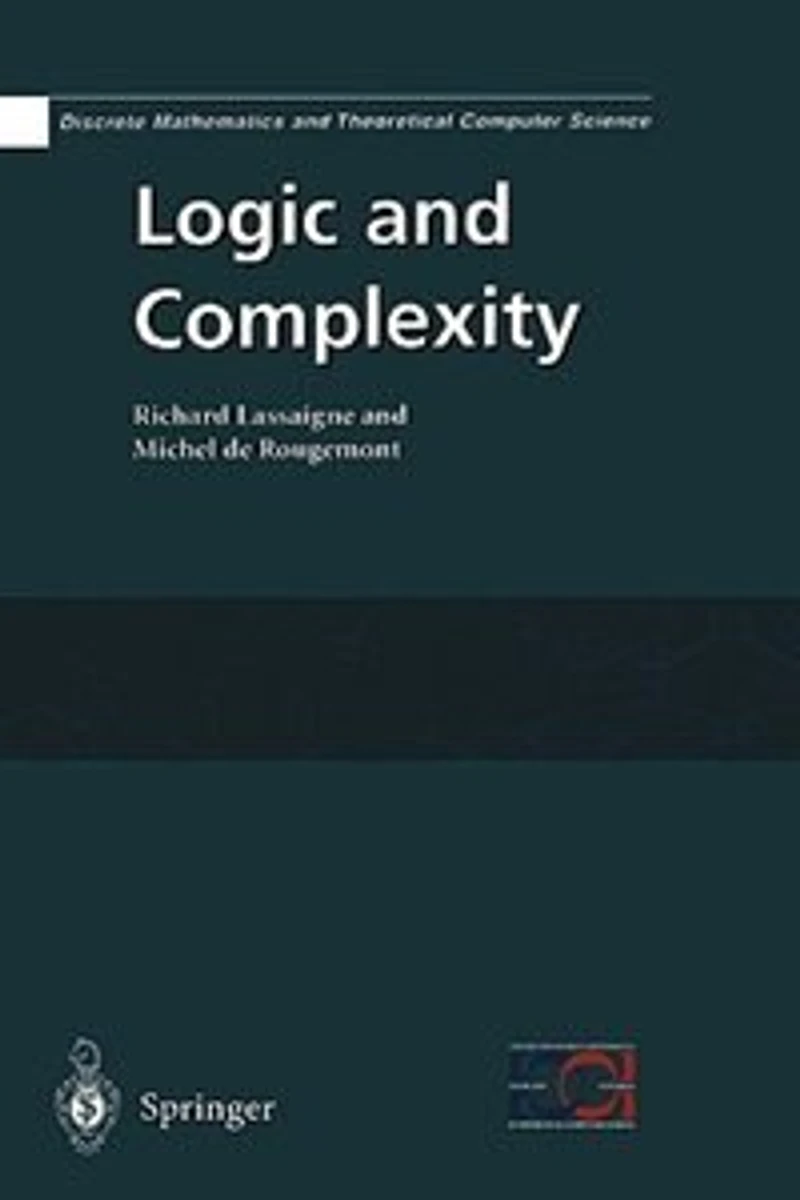
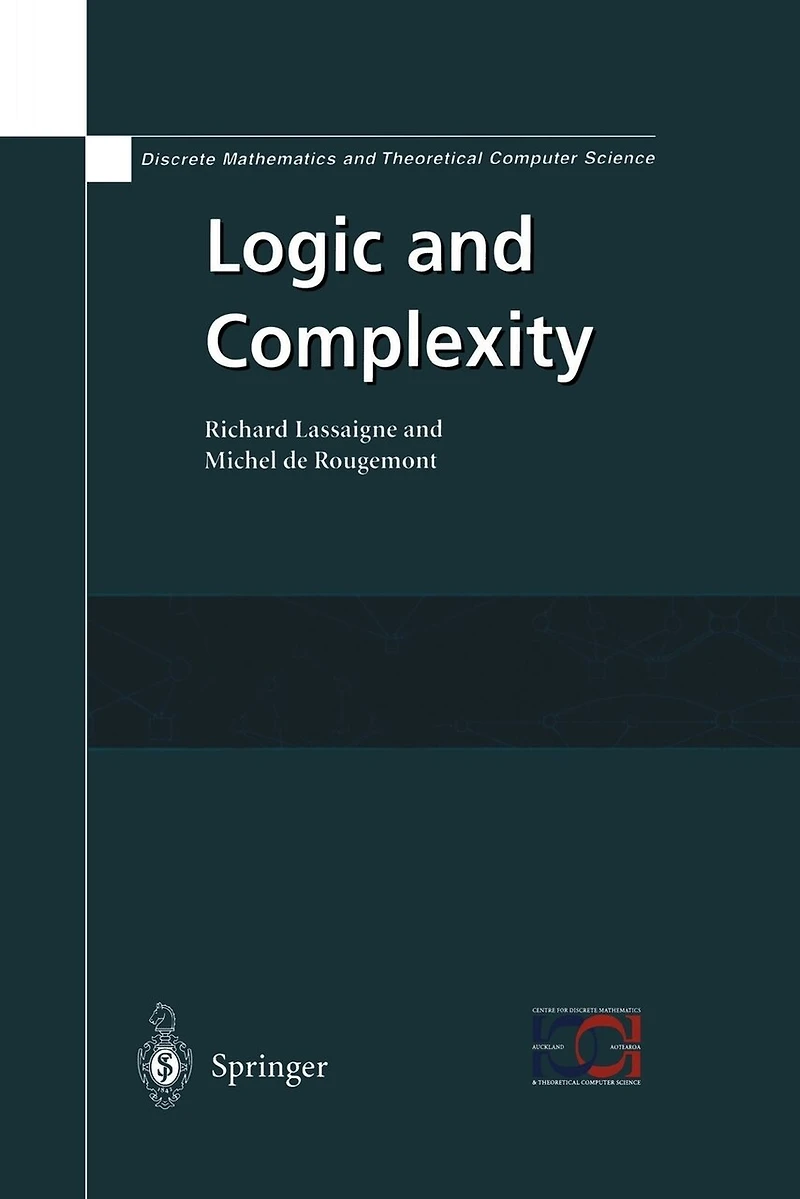
Logic and Complexity
Current price: $220.95

Logic and Complexity
Current price: $220.95
Loading Inventory...
Size: Hardcover
*Product information may vary - to confirm product availability, pricing, shipping and return information please contact Indigo
Logic and Complexity looks at basic logic as it is used in Computer Science, and provides students with a logical approach to Complexity theory. With plenty of exercises, this book presents classical notions of mathematical logic, such as decidability, completeness and incompleteness, as well as new ideas brought by complexity theory such as NP-completeness, randomness and approximations, providing a better understanding for efficient algorithmic solutions to problems. Divided into three parts, it covers: - Model Theory and Recursive Functions - introducing the basic model theory of propositional, 1st order, inductive definitions and 2nd order logic. Recursive functions, Turing computability and decidability are also examined. - Descriptive Complexity - looking at the relationship between definitions of problems, queries, properties of programs and their computational complexity. - Approximation - explaining how some optimization problems and counting problems can be approximated according to their logical form. Logic is important in Computer Science, particularly for verification problems and database query languages such as SQL. Students and researchers in this field will find this book of great interest.
Logic and Complexity looks at basic logic as it is used in Computer Science, and provides students with a logical approach to Complexity theory. With plenty of exercises, this book presents classical notions of mathematical logic, such as decidability, completeness and incompleteness, as well as new ideas brought by complexity theory such as NP-completeness, randomness and approximations, providing a better understanding for efficient algorithmic solutions to problems. Divided into three parts, it covers: - Model Theory and Recursive Functions - introducing the basic model theory of propositional, 1st order, inductive definitions and 2nd order logic. Recursive functions, Turing computability and decidability are also examined. - Descriptive Complexity - looking at the relationship between definitions of problems, queries, properties of programs and their computational complexity. - Approximation - explaining how some optimization problems and counting problems can be approximated according to their logical form. Logic is important in Computer Science, particularly for verification problems and database query languages such as SQL. Students and researchers in this field will find this book of great interest.
You May Also Like







More About Indigo at Erin Mills Town Centre
The largest book retailer in Canada also offers toys, music, home décor, gifts and lifestyle products. What's Inside...Books, Magazines, CD’s and DVD’s, Toys and Gifts, Home Accents, Electronics, Baby’s and Children’s Section, Bath and Body, Kitchen and Bedroom, Stationary Located outside in the exterior plaza.
5015 Glen Erin Dr, Mississauga, ON L5M 0R7, Canada
Find Indigo at Erin Mills Town Centre in Mississauga ON
Visit Indigo at Erin Mills Town Centre in Mississauga ON