

GIVE THE PERFECT GIFT
Erin Mills Town Centre Gift Cards are the perfect choice for your gift giving needs.Purchase gift cards at kiosks near the food court or centre court, at Guest Services, or click below to purchase online.PURCHASE HEREHome
Loss and Wonder at the World's End
Indigo
Loading Inventory...
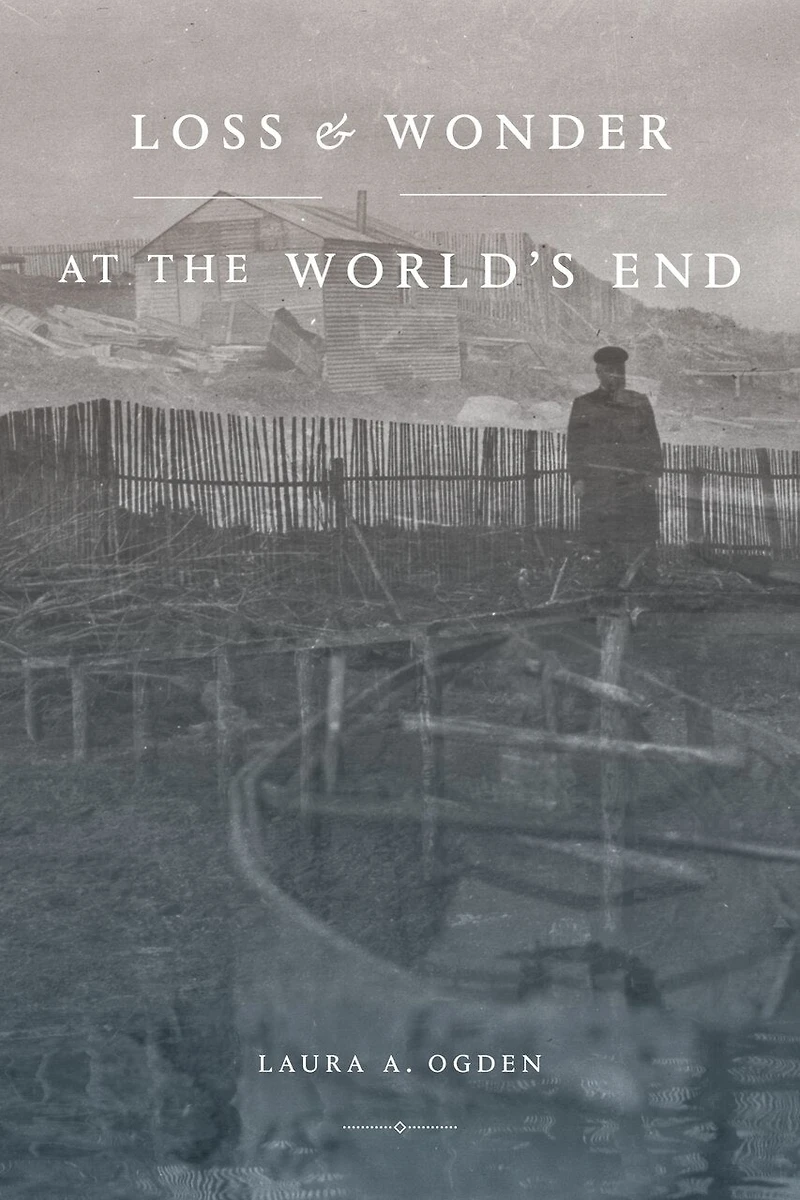
Loss and Wonder at the World's End
Current price: $129.95

Loss and Wonder at the World's End
Current price: $129.95
Loading Inventory...
Size: Hardcover
*Product information may vary - to confirm product availability, pricing, shipping and return information please contact Indigo
In Loss and Wonder at the World's End , Laura A. Ogden brings together animals, people, and things-from beavers, stolen photographs, lichen, American explorers, and birdsong-to catalog the ways environmental change and colonial history are entangled in the Fuegian Archipelago of southernmost Chile and Argentina. Repeated algal blooms have closed fisheries in the archipelago. Glaciers are in retreat. Extractive industries such as commercial forestry, natural gas production, and salmon farming along with the introduction of nonnative species are rapidly transforming assemblages of life. Ogden archives forms of loss-including territory, language, sovereignty, and life itself-as well as forms of wonder, or moments when life continues to flourish even in the ruins of these devastations. Her account draws on long-term ethnographic research with settler and Indigenous communities; archival photographs; explorer journals; and experiments in natural history and performance studies. Loss and Wonder at the World's End frames environmental change as imperialism's shadow, a darkness cast over the earth in the wake of other losses.
In Loss and Wonder at the World's End , Laura A. Ogden brings together animals, people, and things-from beavers, stolen photographs, lichen, American explorers, and birdsong-to catalog the ways environmental change and colonial history are entangled in the Fuegian Archipelago of southernmost Chile and Argentina. Repeated algal blooms have closed fisheries in the archipelago. Glaciers are in retreat. Extractive industries such as commercial forestry, natural gas production, and salmon farming along with the introduction of nonnative species are rapidly transforming assemblages of life. Ogden archives forms of loss-including territory, language, sovereignty, and life itself-as well as forms of wonder, or moments when life continues to flourish even in the ruins of these devastations. Her account draws on long-term ethnographic research with settler and Indigenous communities; archival photographs; explorer journals; and experiments in natural history and performance studies. Loss and Wonder at the World's End frames environmental change as imperialism's shadow, a darkness cast over the earth in the wake of other losses.
You May Also Like











More About Indigo at Erin Mills Town Centre
The largest book retailer in Canada also offers toys, music, home décor, gifts and lifestyle products. What's Inside...Books, Magazines, CD’s and DVD’s, Toys and Gifts, Home Accents, Electronics, Baby’s and Children’s Section, Bath and Body, Kitchen and Bedroom, Stationary Located outside in the exterior plaza.
5015 Glen Erin Dr, Mississauga, ON L5M 0R7, Canada
Find Indigo at Erin Mills Town Centre in Mississauga ON
Visit Indigo at Erin Mills Town Centre in Mississauga ON