

GIVE THE PERFECT GIFT
Erin Mills Town Centre Gift Cards are the perfect choice for your gift giving needs.Purchase gift cards at kiosks near the food court or centre court, at Guest Services, or click below to purchase online.PURCHASE HEREHome
Lourenço da Silva Mendonça and the Black Atlantic Abolitionist Movement Seventeenth Century
Indigo
Loading Inventory...
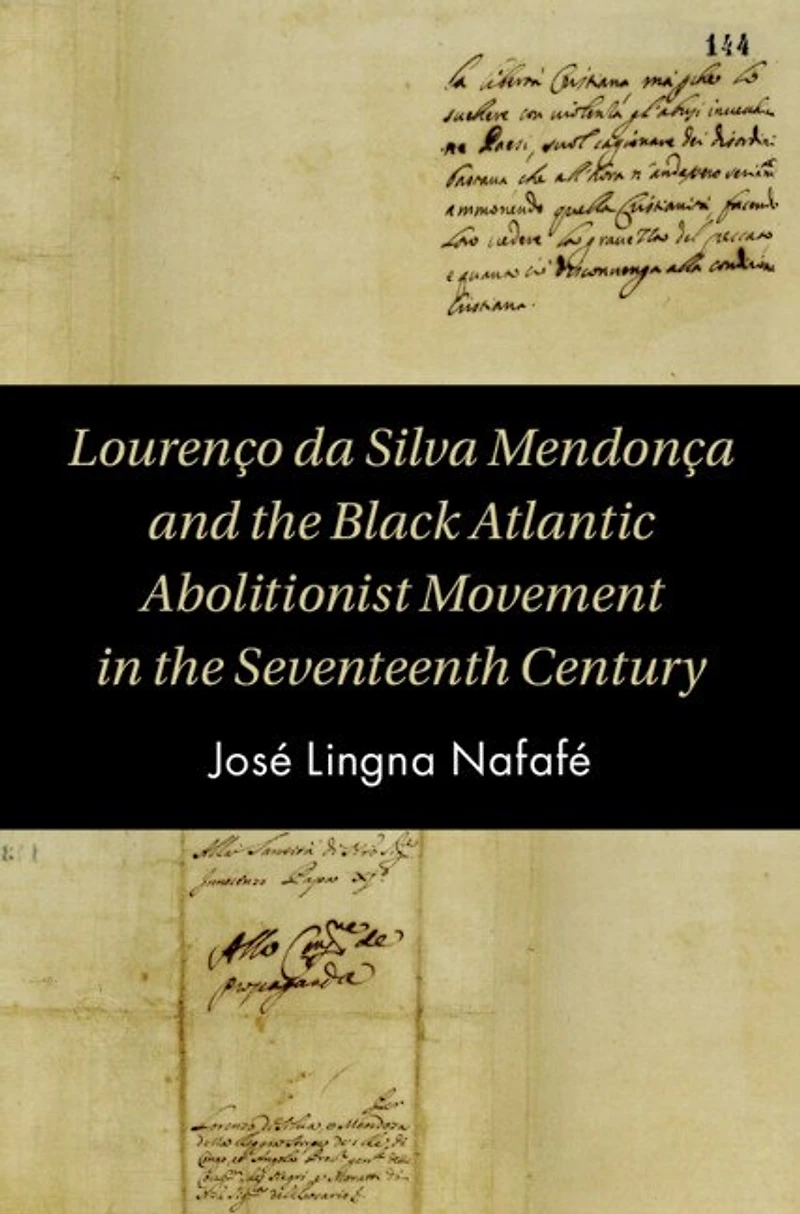
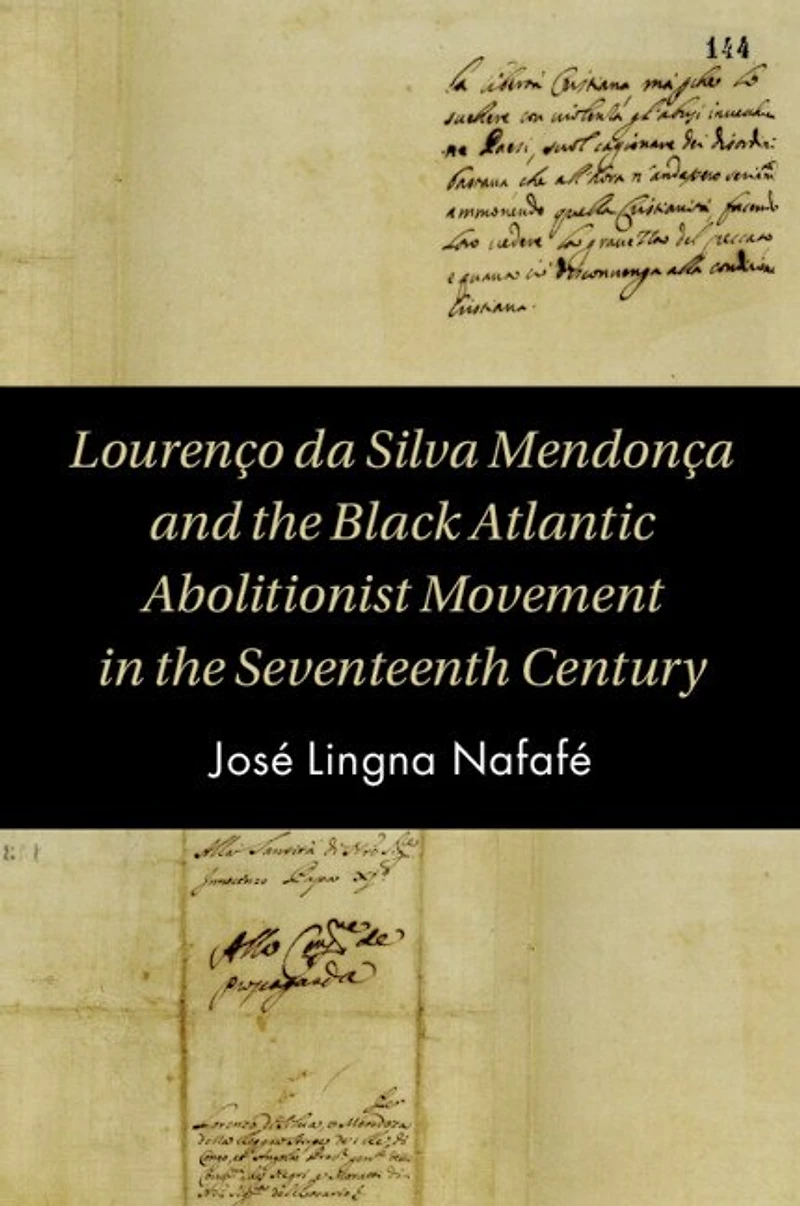
Lourenço da Silva Mendonça and the Black Atlantic Abolitionist Movement Seventeenth Century
Current price: $76.95

Lourenço da Silva Mendonça and the Black Atlantic Abolitionist Movement Seventeenth Century
Current price: $76.95
Loading Inventory...
Size: Hardcover
*Product information may vary - to confirm product availability, pricing, shipping and return information please contact Indigo
This groundbreaking study tells the story of the highly organised, international legal court case for the abolition of slavery spearheaded by Prince Lourenço da Silva Mendonça in the seventeenth century. The case, presented before the Vatican, called for the freedom of all enslaved people and other oppressed groups. This included New Christians (Jews converted to Christianity) and Indigenous Americans in the Atlantic World, and Black Christians from confraternities in Angola, Brazil, Portugal and Spain. Abolition debate is generally believed to have been dominated by white Europeans in the eighteenth century. By centring African agency, José Lingna Nafafé offers a new perspective on the abolition movement, showing, for the first time, how the legal debate was begun not by Europeans, but by Africans. In the first book of its kind, Lingna Nafafé underscores the exceptionally complex nature of the African liberation struggle, and demystifies the common knowledge and accepted wisdom surrounding African slavery.
This groundbreaking study tells the story of the highly organised, international legal court case for the abolition of slavery spearheaded by Prince Lourenço da Silva Mendonça in the seventeenth century. The case, presented before the Vatican, called for the freedom of all enslaved people and other oppressed groups. This included New Christians (Jews converted to Christianity) and Indigenous Americans in the Atlantic World, and Black Christians from confraternities in Angola, Brazil, Portugal and Spain. Abolition debate is generally believed to have been dominated by white Europeans in the eighteenth century. By centring African agency, José Lingna Nafafé offers a new perspective on the abolition movement, showing, for the first time, how the legal debate was begun not by Europeans, but by Africans. In the first book of its kind, Lingna Nafafé underscores the exceptionally complex nature of the African liberation struggle, and demystifies the common knowledge and accepted wisdom surrounding African slavery.
You May Also Like









More About Indigo at Erin Mills Town Centre
The largest book retailer in Canada also offers toys, music, home décor, gifts and lifestyle products. What's Inside...Books, Magazines, CD’s and DVD’s, Toys and Gifts, Home Accents, Electronics, Baby’s and Children’s Section, Bath and Body, Kitchen and Bedroom, Stationary Located outside in the exterior plaza.
5015 Glen Erin Dr, Mississauga, ON L5M 0R7, Canada
Find Indigo at Erin Mills Town Centre in Mississauga ON
Visit Indigo at Erin Mills Town Centre in Mississauga ON