

GIVE THE PERFECT GIFT
Erin Mills Town Centre Gift Cards are the perfect choice for your gift giving needs.Purchase gift cards at kiosks near the food court or centre court, at Guest Services, or click below to purchase online.PURCHASE HEREHome
Love and Selfhood: Self-understanding Through Philosophy and Cognitive Neuroscience
Indigo
Loading Inventory...
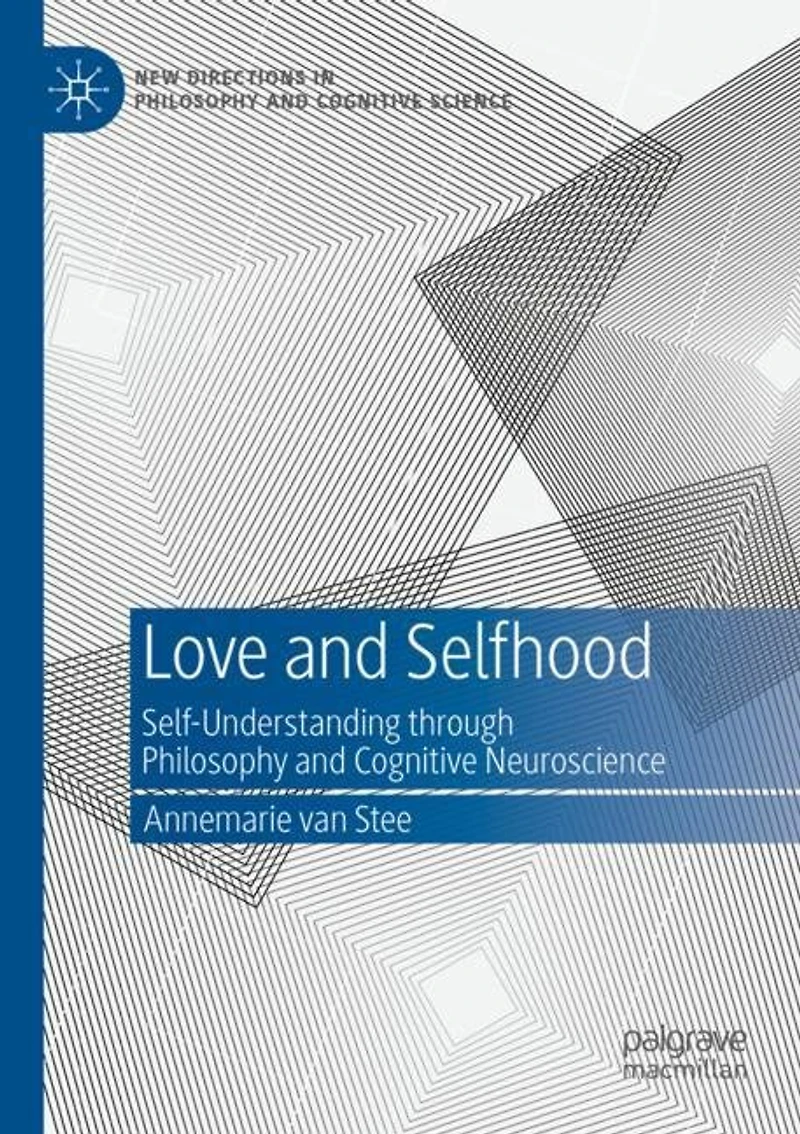
Love and Selfhood: Self-understanding Through Philosophy and Cognitive Neuroscience
Current price: $189.95

Love and Selfhood: Self-understanding Through Philosophy and Cognitive Neuroscience
Current price: $189.95
Loading Inventory...
Size: Paperback
*Product information may vary - to confirm product availability, pricing, shipping and return information please contact Indigo
After years of neurohype and a neuroskeptic backlash, this book provides a systematic analysis of the contributions to self-understanding cognitive neuroscience (CNS) and philosophy can make. The stories of five people in search of self-understanding serve as touchstone throughout the book. Their identities are tied up with what they love. The book provides in-depth analyses of CNS of love and CNS of self-reflection. It critically discusses philosophers who focus on the relation between love, self-understanding and selfhood, such as Harry Frankfurt, Susan Wolf, Charles Taylor and Soren Kierkegaard. It also builds an argument about CNS' contributions to self-understanding more broadly, and how different these are from philosophy's contributions. The book develops conceptual review as a philosophical method for improving the validity and comparability of CNS studies. It integrates CNS insights into its philosophical view on love and selfhood where applicable. This book thus argues and exemplifies that philosophy and CNS can work together.
After years of neurohype and a neuroskeptic backlash, this book provides a systematic analysis of the contributions to self-understanding cognitive neuroscience (CNS) and philosophy can make. The stories of five people in search of self-understanding serve as touchstone throughout the book. Their identities are tied up with what they love. The book provides in-depth analyses of CNS of love and CNS of self-reflection. It critically discusses philosophers who focus on the relation between love, self-understanding and selfhood, such as Harry Frankfurt, Susan Wolf, Charles Taylor and Soren Kierkegaard. It also builds an argument about CNS' contributions to self-understanding more broadly, and how different these are from philosophy's contributions. The book develops conceptual review as a philosophical method for improving the validity and comparability of CNS studies. It integrates CNS insights into its philosophical view on love and selfhood where applicable. This book thus argues and exemplifies that philosophy and CNS can work together.
You May Also Like








More About Indigo at Erin Mills Town Centre
The largest book retailer in Canada also offers toys, music, home décor, gifts and lifestyle products. What's Inside...Books, Magazines, CD’s and DVD’s, Toys and Gifts, Home Accents, Electronics, Baby’s and Children’s Section, Bath and Body, Kitchen and Bedroom, Stationary Located outside in the exterior plaza.
5015 Glen Erin Dr, Mississauga, ON L5M 0R7, Canada
Find Indigo at Erin Mills Town Centre in Mississauga ON
Visit Indigo at Erin Mills Town Centre in Mississauga ON