

GIVE THE PERFECT GIFT
Erin Mills Town Centre Gift Cards are the perfect choice for your gift giving needs.Purchase gift cards at kiosks near the food court or centre court, at Guest Services, or click below to purchase online.PURCHASE HEREHome
L’sitkuk: The Story of the Bear River Mi’kmaw Community
Indigo
Loading Inventory...
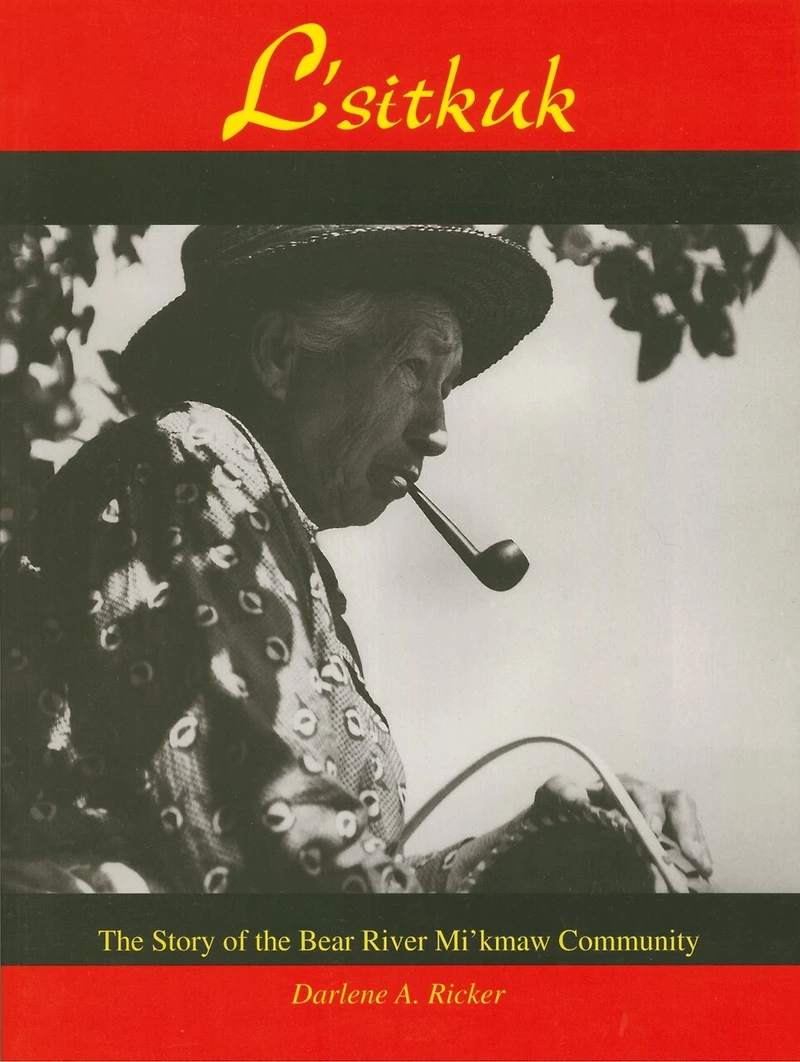
L’sitkuk: The Story of the Bear River Mi’kmaw Community
Current price: $33.00

L’sitkuk: The Story of the Bear River Mi’kmaw Community
Current price: $33.00
Loading Inventory...
Size: Paperback
*Product information may vary - to confirm product availability, pricing, shipping and return information please contact Indigo
L’sitkuk (pronounced elsetkook) is the original name for the Bear River Mi’kmaw community, which is part of the Mi’kmaw First Nation. Nestled close to the Bear River watershed, this tiny native community is regaining its culture, language and identity after hundreds of years of colonialism and assimilation. Living in the area for thousands of years, they were among the first people in Canada to have continuous contact with non-natives.
This book preserves the memory of the elders through oral histories and old photographs, and tells who these people are and how they survived, prospered and sustained one another. The stories of everyday life reflect native values and the strong ideal of interconnectedness in the community.
Darlene A. Ricker listened to the stories and learned about the traditions and culture of the closely knit Mi’kmaw community at Bear River. From her interviews with elders and young people, she has drawn this poignant oral history.
L’sitkuk (pronounced elsetkook) is the original name for the Bear River Mi’kmaw community, which is part of the Mi’kmaw First Nation. Nestled close to the Bear River watershed, this tiny native community is regaining its culture, language and identity after hundreds of years of colonialism and assimilation. Living in the area for thousands of years, they were among the first people in Canada to have continuous contact with non-natives.
This book preserves the memory of the elders through oral histories and old photographs, and tells who these people are and how they survived, prospered and sustained one another. The stories of everyday life reflect native values and the strong ideal of interconnectedness in the community.
Darlene A. Ricker listened to the stories and learned about the traditions and culture of the closely knit Mi’kmaw community at Bear River. From her interviews with elders and young people, she has drawn this poignant oral history.
You May Also Like







More About Indigo at Erin Mills Town Centre
The largest book retailer in Canada also offers toys, music, home décor, gifts and lifestyle products. What's Inside...Books, Magazines, CD’s and DVD’s, Toys and Gifts, Home Accents, Electronics, Baby’s and Children’s Section, Bath and Body, Kitchen and Bedroom, Stationary Located outside in the exterior plaza.
5015 Glen Erin Dr, Mississauga, ON L5M 0R7, Canada
Find Indigo at Erin Mills Town Centre in Mississauga ON
Visit Indigo at Erin Mills Town Centre in Mississauga ON