

GIVE THE PERFECT GIFT
Erin Mills Town Centre Gift Cards are the perfect choice for your gift giving needs.Purchase gift cards at kiosks near the food court or centre court, at Guest Services, or click below to purchase online.PURCHASE HEREHome
Luftwaffe Airlift in the Tunisian Bridgehead: Expeditionary Lessons for a Transformation Age
Indigo
Loading Inventory...
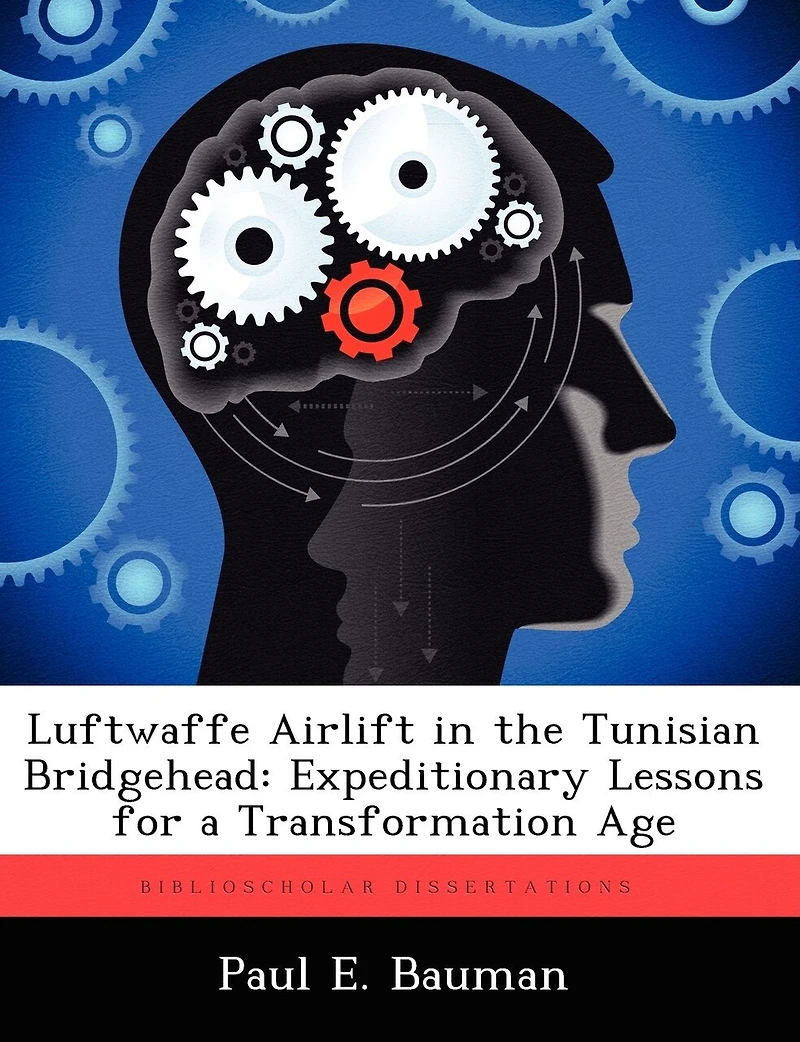
Luftwaffe Airlift in the Tunisian Bridgehead: Expeditionary Lessons for a Transformation Age
Current price: $59.00

Luftwaffe Airlift in the Tunisian Bridgehead: Expeditionary Lessons for a Transformation Age
Current price: $59.00
Loading Inventory...
Size: Paperback
*Product information may vary - to confirm product availability, pricing, shipping and return information please contact Indigo
In an age where Department of Defense policy calls for a lighter, leaner US military, the German experience in North Africa during World War II provides an interesting case study. American military transformation aims to make the US armed forces more capable of rapid, global expeditionary operations. The goals and timelines associated with US military policy make the use of airlift for shaping, deployment, employment, and redeployment for expeditionary operations absolutely essential. In short, US strategy has become dependent on the expeditionary capabilities of its military, which are in turn reliant on the speed and reach of air lines-of-communication. By studying German operations in Tunisia from November 1942 to May 1943, American strategists can gain valuable insights into the nexus between strategy and expeditionary operations conducted over strategic distances.
In an age where Department of Defense policy calls for a lighter, leaner US military, the German experience in North Africa during World War II provides an interesting case study. American military transformation aims to make the US armed forces more capable of rapid, global expeditionary operations. The goals and timelines associated with US military policy make the use of airlift for shaping, deployment, employment, and redeployment for expeditionary operations absolutely essential. In short, US strategy has become dependent on the expeditionary capabilities of its military, which are in turn reliant on the speed and reach of air lines-of-communication. By studying German operations in Tunisia from November 1942 to May 1943, American strategists can gain valuable insights into the nexus between strategy and expeditionary operations conducted over strategic distances.
You May Also Like













More About Indigo at Erin Mills Town Centre
The largest book retailer in Canada also offers toys, music, home décor, gifts and lifestyle products. What's Inside...Books, Magazines, CD’s and DVD’s, Toys and Gifts, Home Accents, Electronics, Baby’s and Children’s Section, Bath and Body, Kitchen and Bedroom, Stationary Located outside in the exterior plaza.
5015 Glen Erin Dr, Mississauga, ON L5M 0R7, Canada
Find Indigo at Erin Mills Town Centre in Mississauga ON
Visit Indigo at Erin Mills Town Centre in Mississauga ON