

GIVE THE PERFECT GIFT
Erin Mills Town Centre Gift Cards are the perfect choice for your gift giving needs.Purchase gift cards at kiosks near the food court or centre court, at Guest Services, or click below to purchase online.PURCHASE HEREHome
Lysis
Indigo
Loading Inventory...
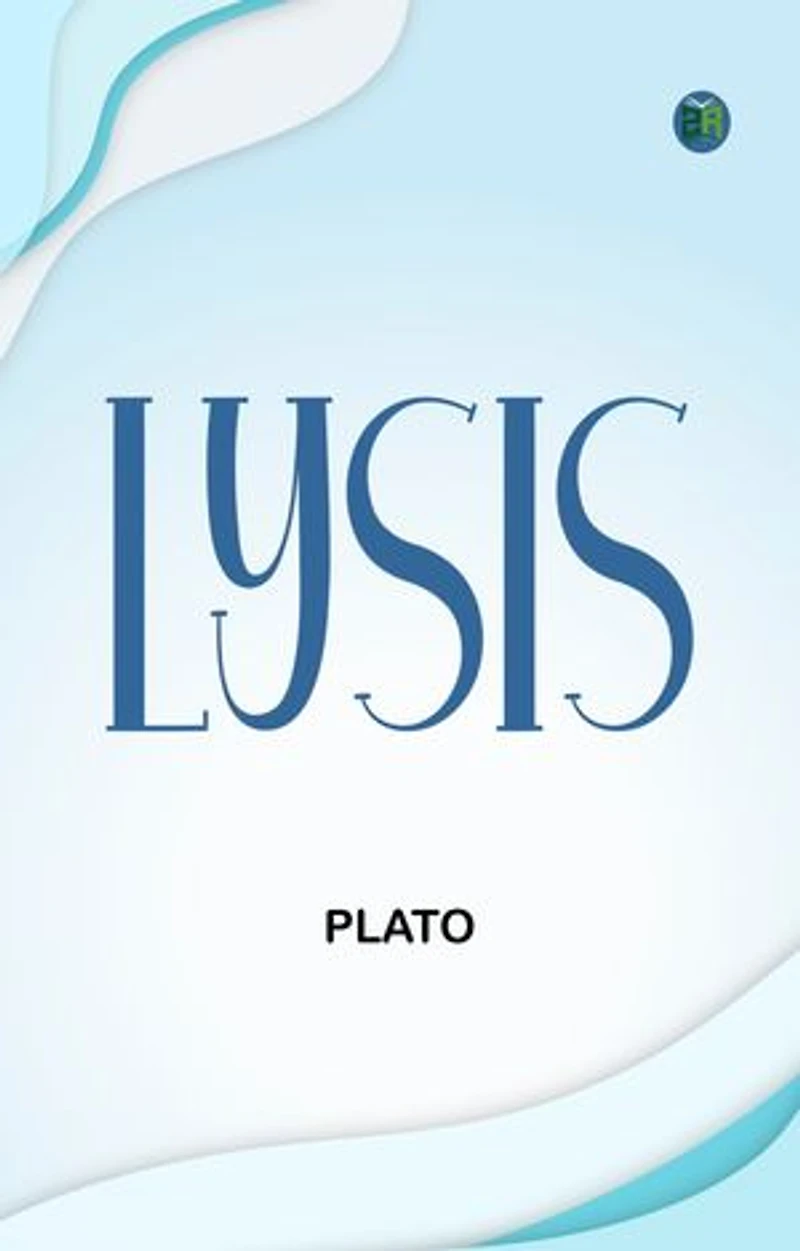
Lysis
Current price: $1.32

Lysis
Current price: $1.32
Loading Inventory...
Size: Kobo eBook
*Product information may vary - to confirm product availability, pricing, shipping and return information please contact Indigo
Lysis is one of Plato's early dialogues, primarily focused on the nature of friendship and love. It takes place in the home of the wealthy Athenian, Hippothales, and features Socrates conversing with two young men, Lysis and Menexenus. The dialogue begins with Socrates questioning Lysis about the nature of friendship, leading to a deeper exploration of the relationships between individuals.Through Socratic questioning, the dialogue suggests that friendship is not simply about mutual admiration or shared interests, but also involves a certain harmony or alignment of desires and qualities. Socrates examines whether true friendship can exist between equals, between superiors and inferiors, or between those who are similar or different in nature. The dialogue ends without a clear conclusion, reflecting Plato's broader philosophical stance that questions about human relationships and virtues often do not have straightforward answers, but require ongoing philosophical inquiry.
Lysis is one of Plato's early dialogues, primarily focused on the nature of friendship and love. It takes place in the home of the wealthy Athenian, Hippothales, and features Socrates conversing with two young men, Lysis and Menexenus. The dialogue begins with Socrates questioning Lysis about the nature of friendship, leading to a deeper exploration of the relationships between individuals.Through Socratic questioning, the dialogue suggests that friendship is not simply about mutual admiration or shared interests, but also involves a certain harmony or alignment of desires and qualities. Socrates examines whether true friendship can exist between equals, between superiors and inferiors, or between those who are similar or different in nature. The dialogue ends without a clear conclusion, reflecting Plato's broader philosophical stance that questions about human relationships and virtues often do not have straightforward answers, but require ongoing philosophical inquiry.
You May Also Like
















More About Indigo at Erin Mills Town Centre
The largest book retailer in Canada also offers toys, music, home décor, gifts and lifestyle products. What's Inside...Books, Magazines, CD’s and DVD’s, Toys and Gifts, Home Accents, Electronics, Baby’s and Children’s Section, Bath and Body, Kitchen and Bedroom, Stationary Located outside in the exterior plaza.
5015 Glen Erin Dr, Mississauga, ON L5M 0R7, Canada
Find Indigo at Erin Mills Town Centre in Mississauga ON
Visit Indigo at Erin Mills Town Centre in Mississauga ON